

Completed Projects
Year
2025
Combined Impact Coming soon
Combined Visitors Coming Soon
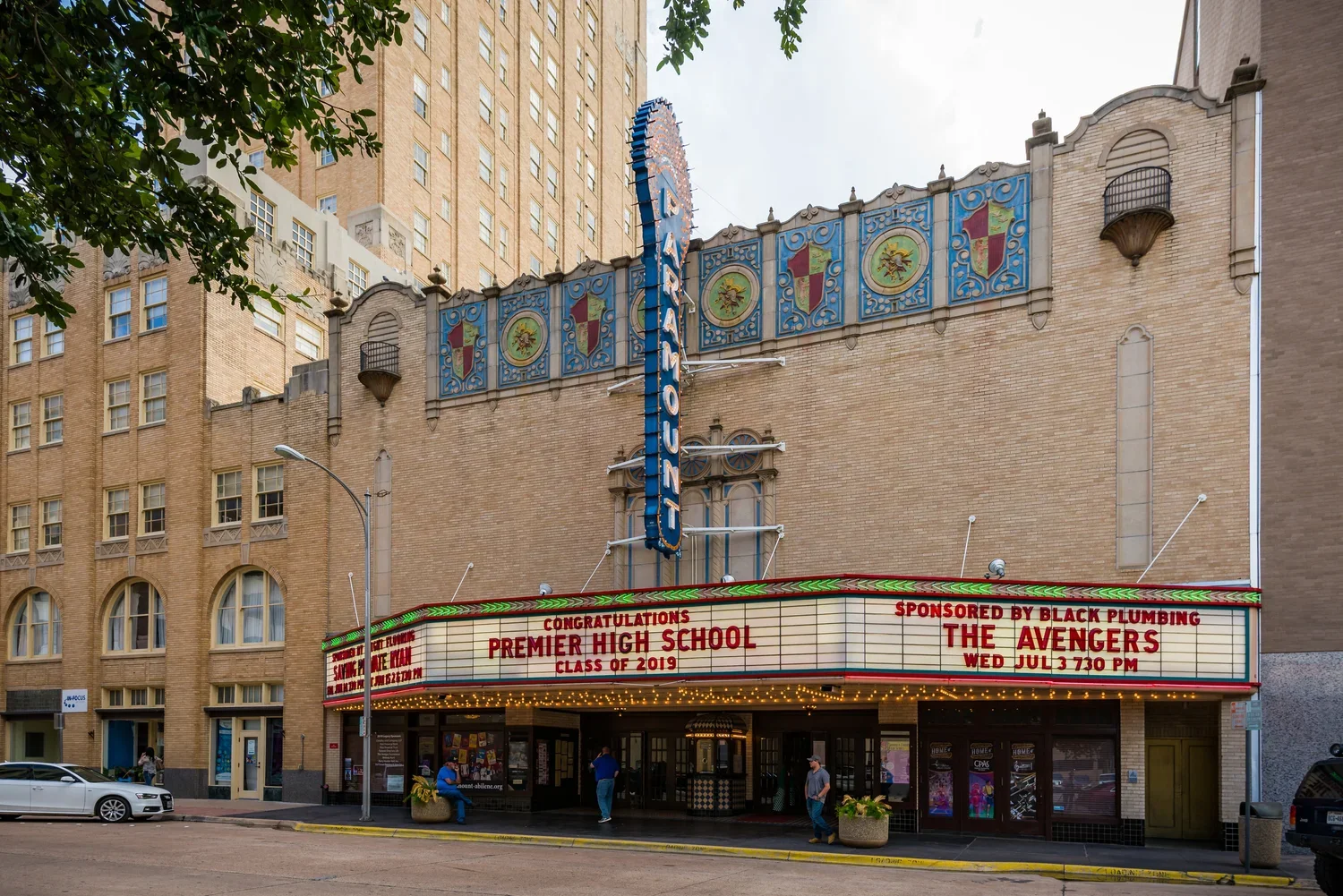
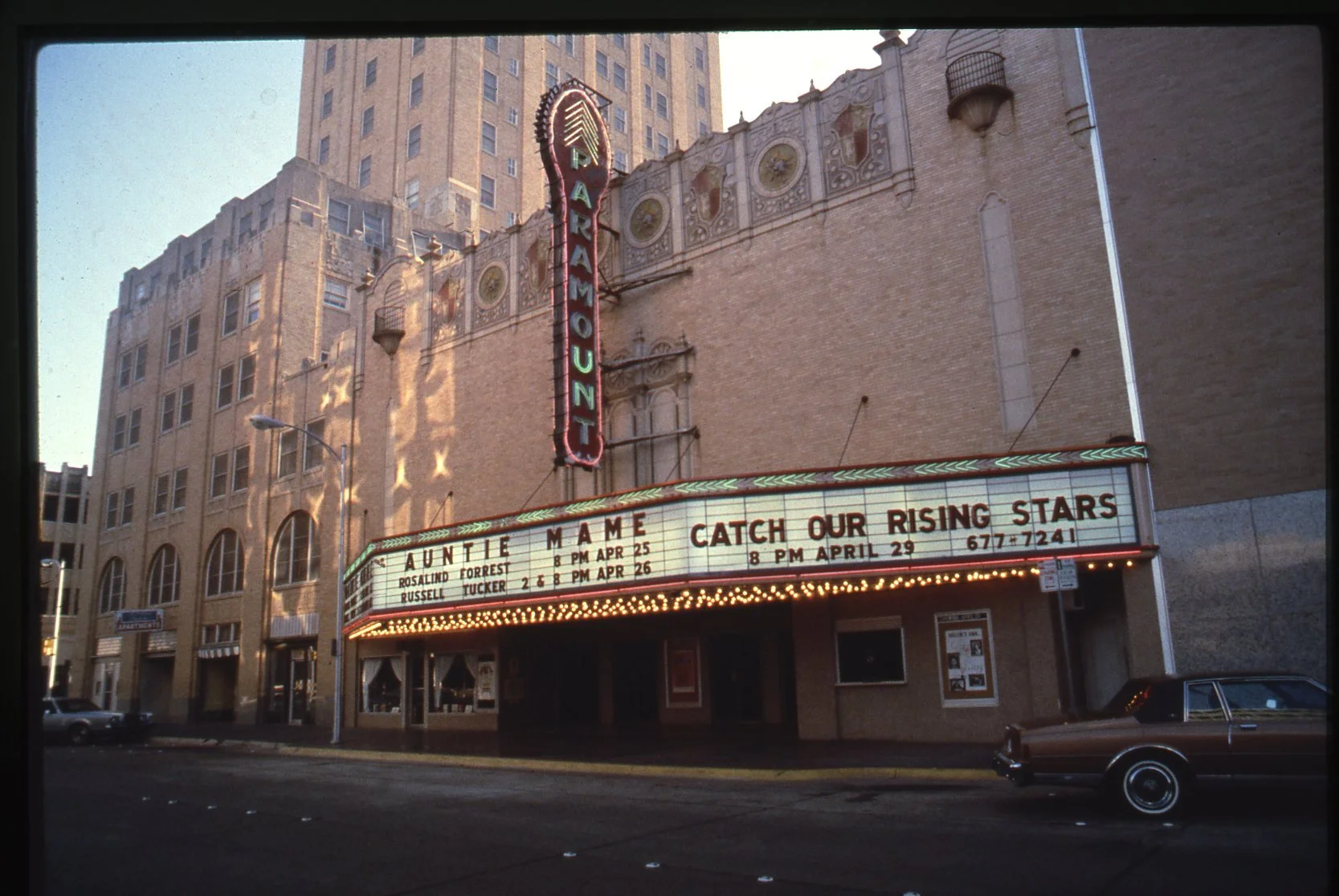
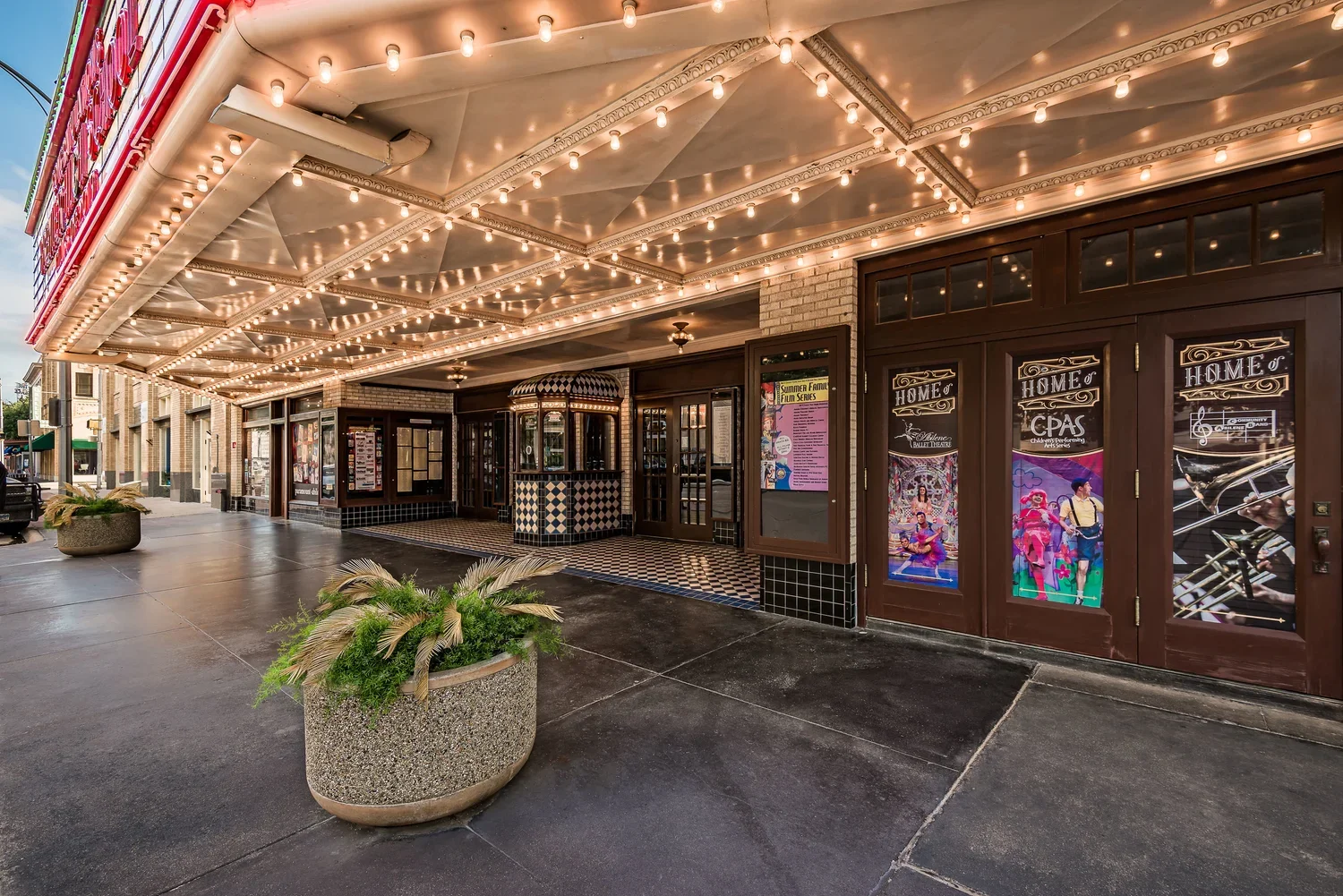
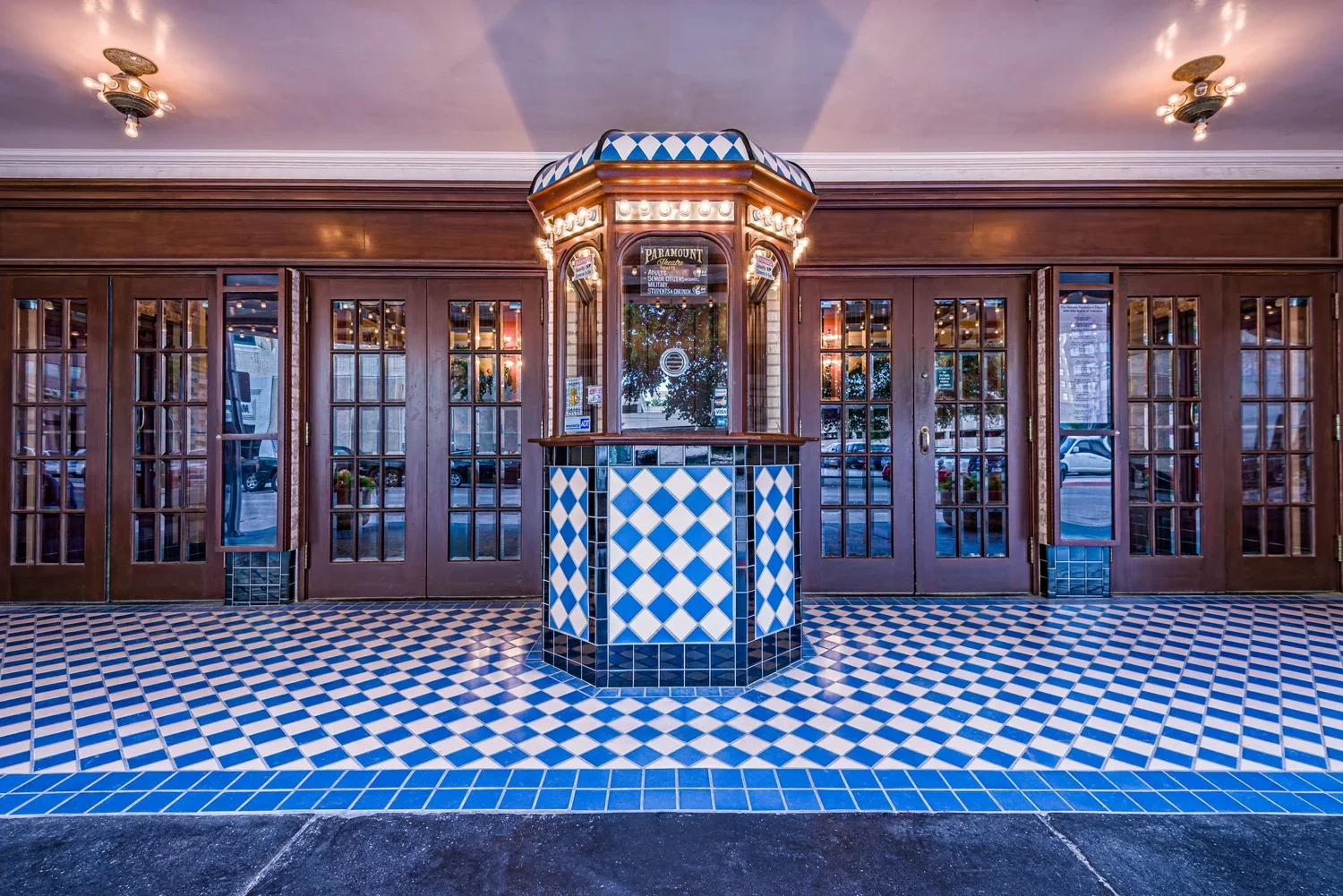
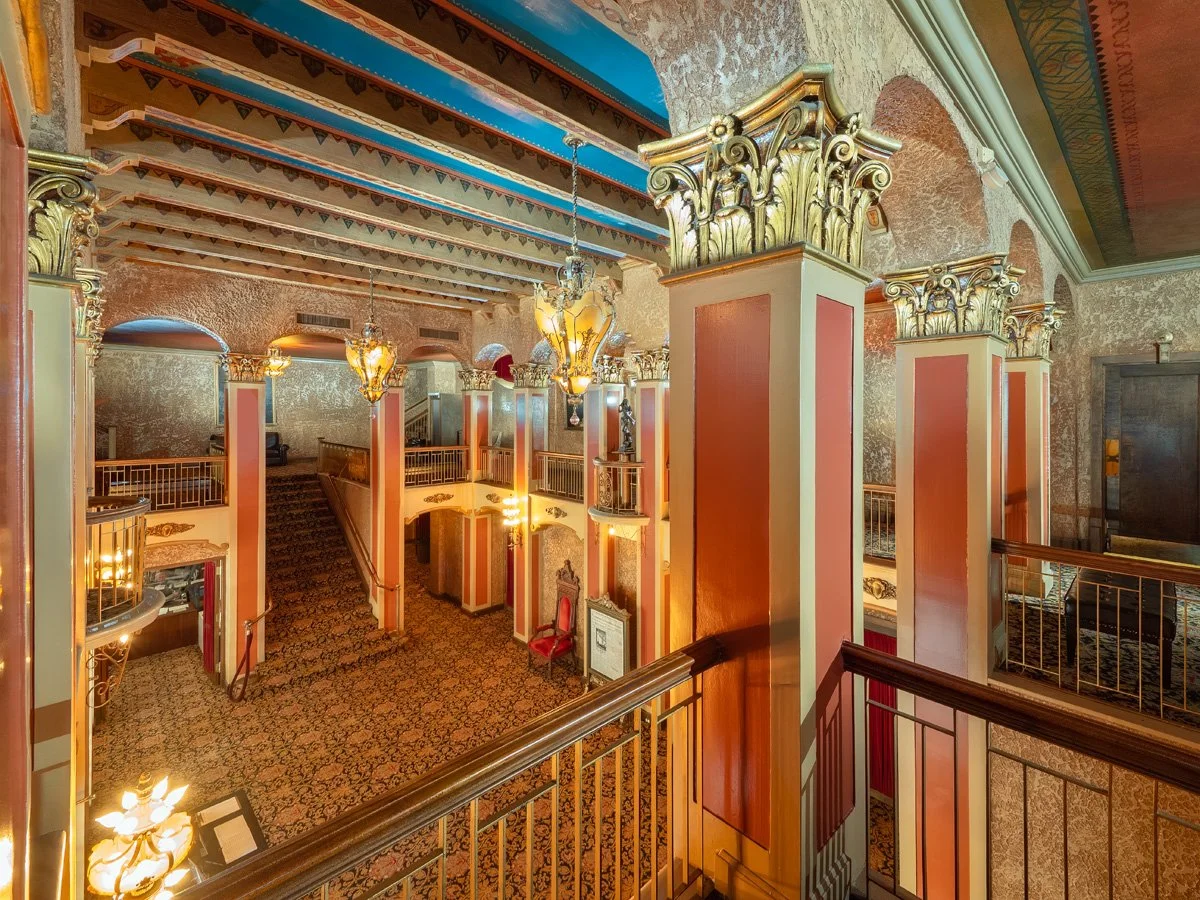
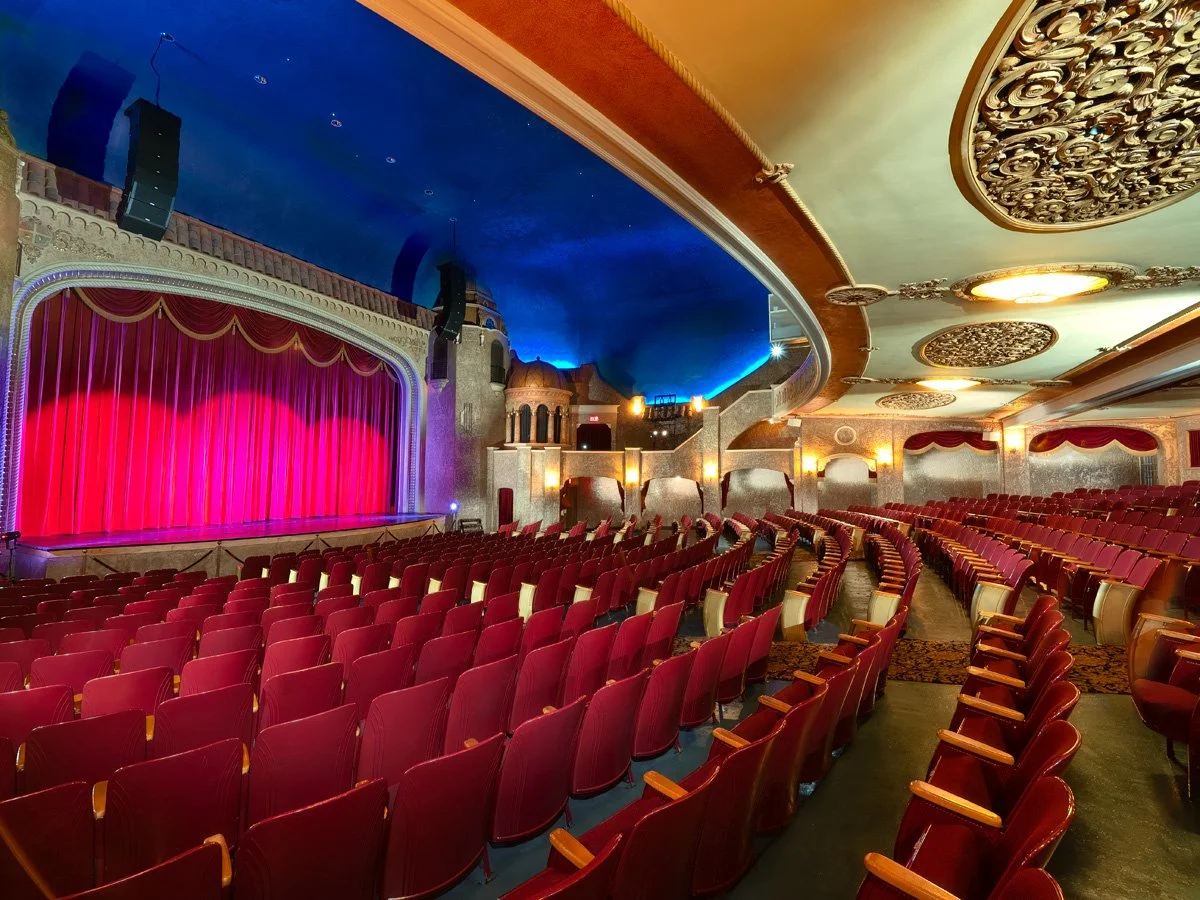
Paramount Theater
Credit: The Historic Paramount Theater, INC.
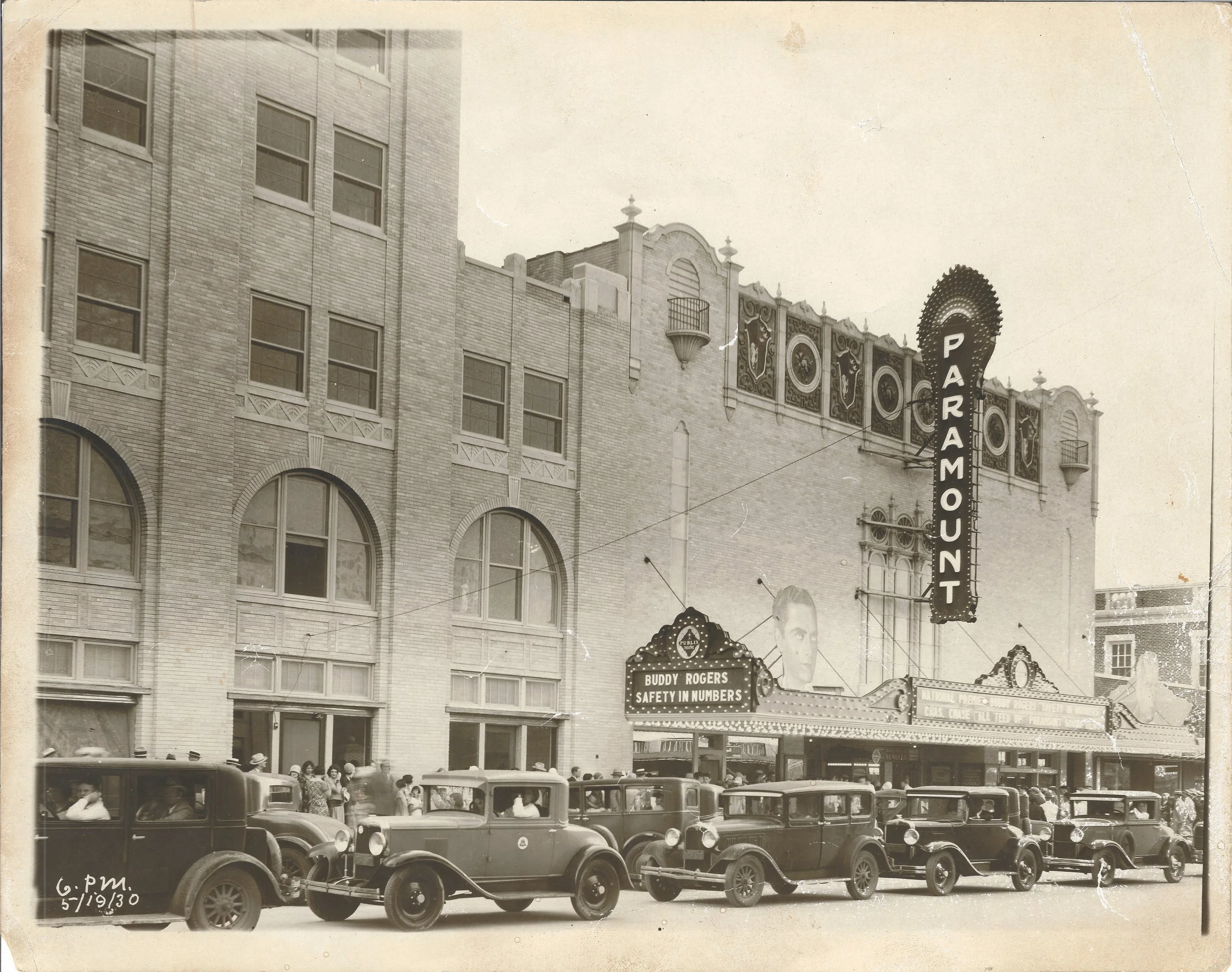
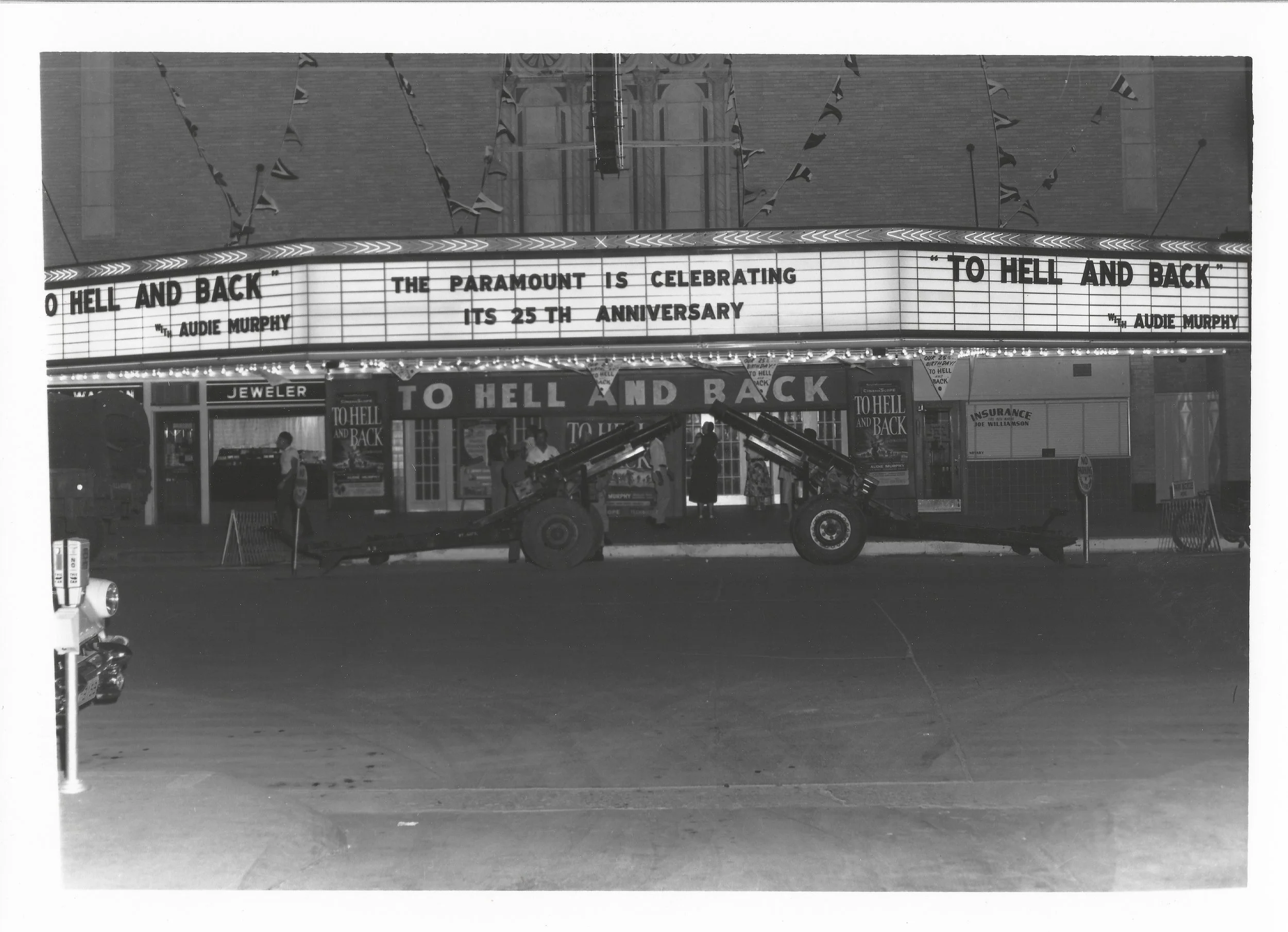
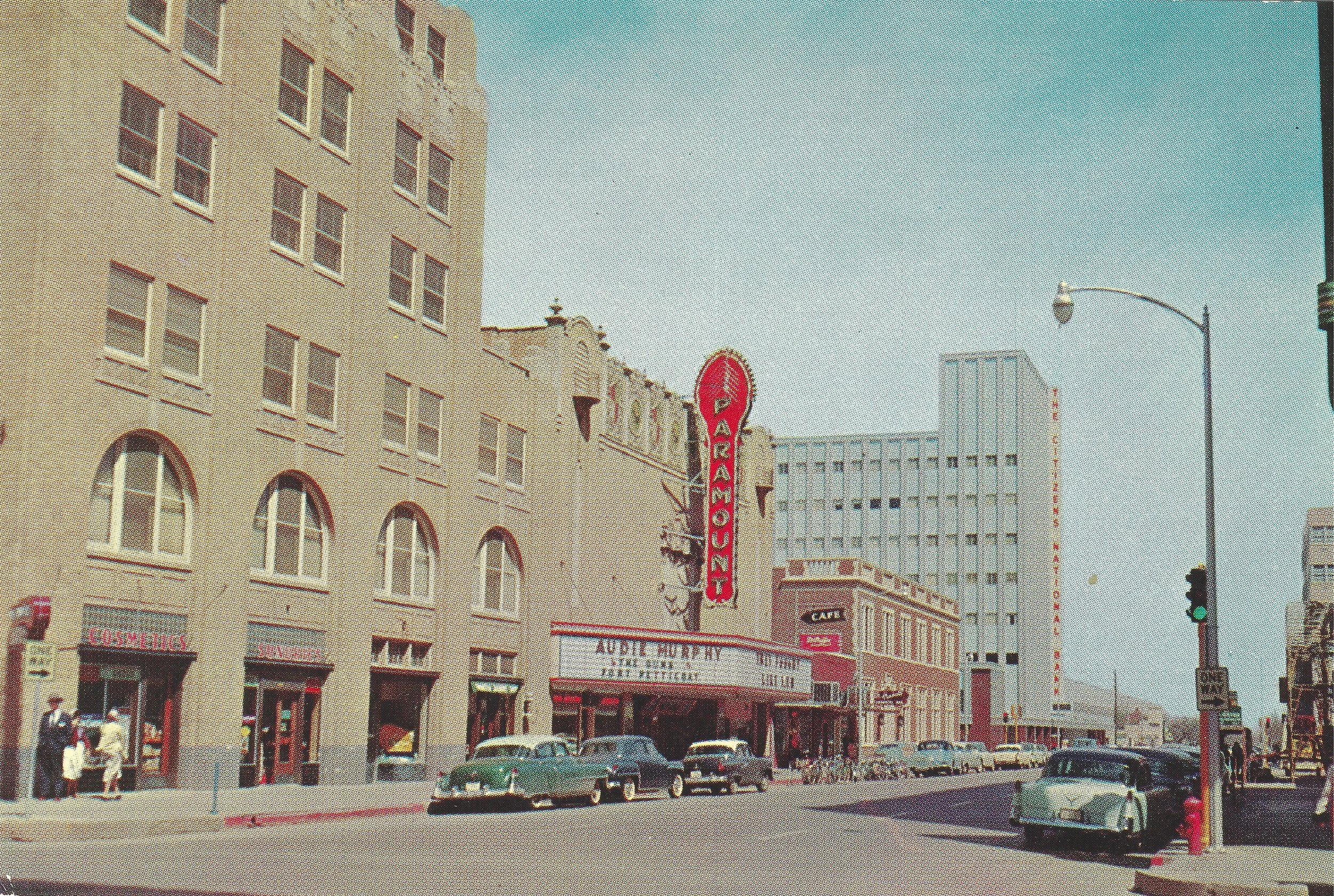
158 Cypress Street
Built: 1930
Style: Exotic Revival, Eclectic
Occupant: The Historic Paramount Theatre, Inc.
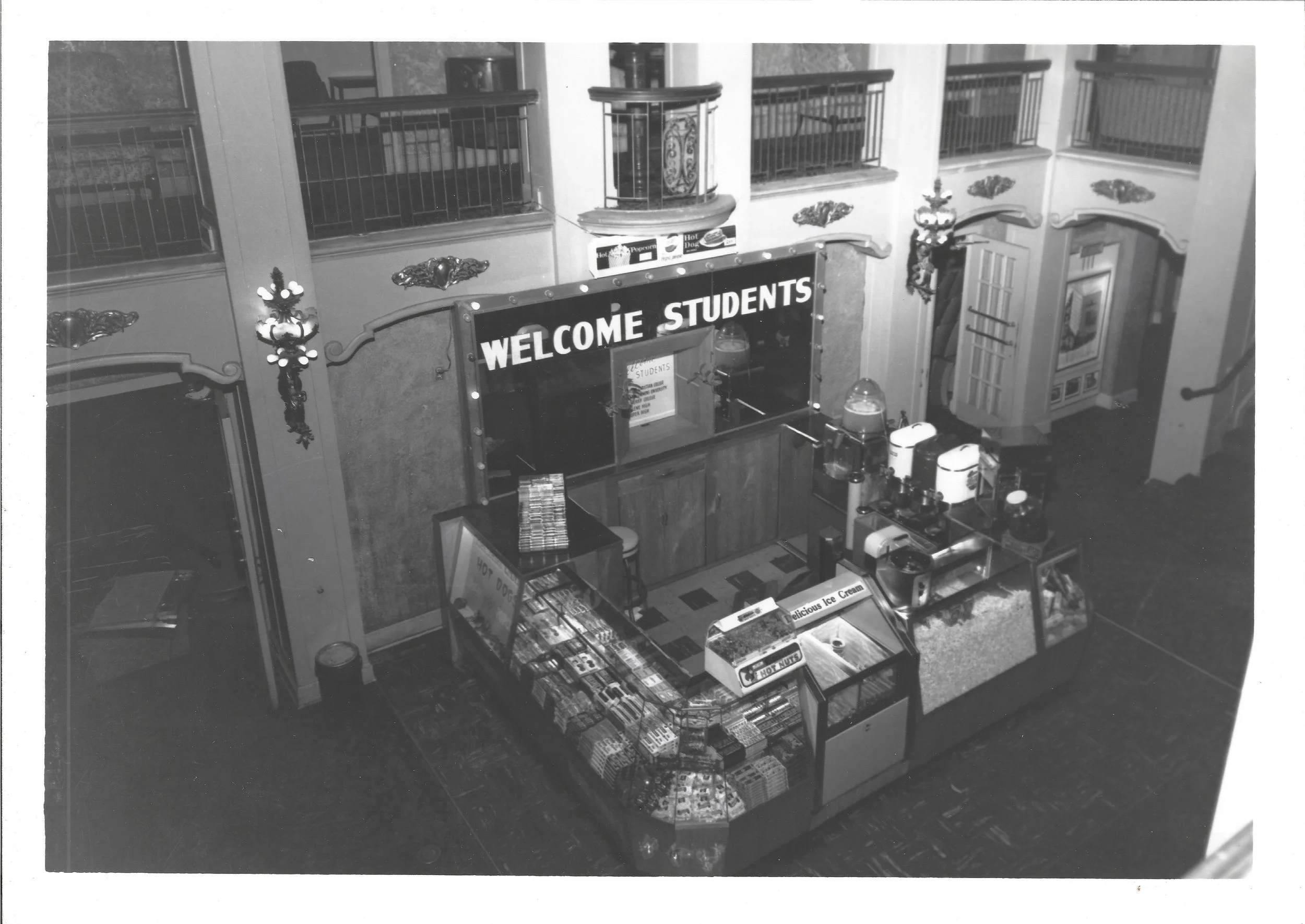
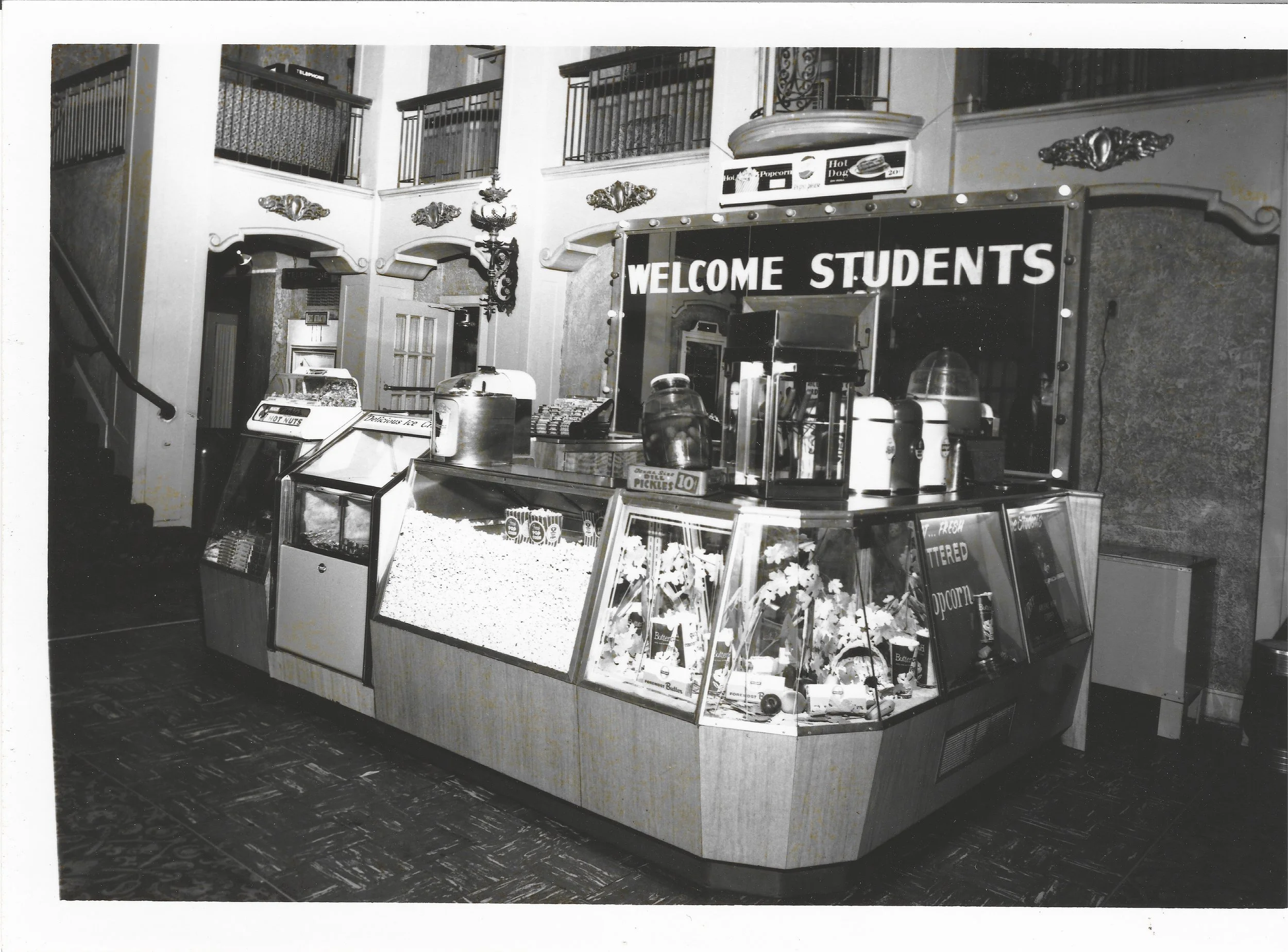
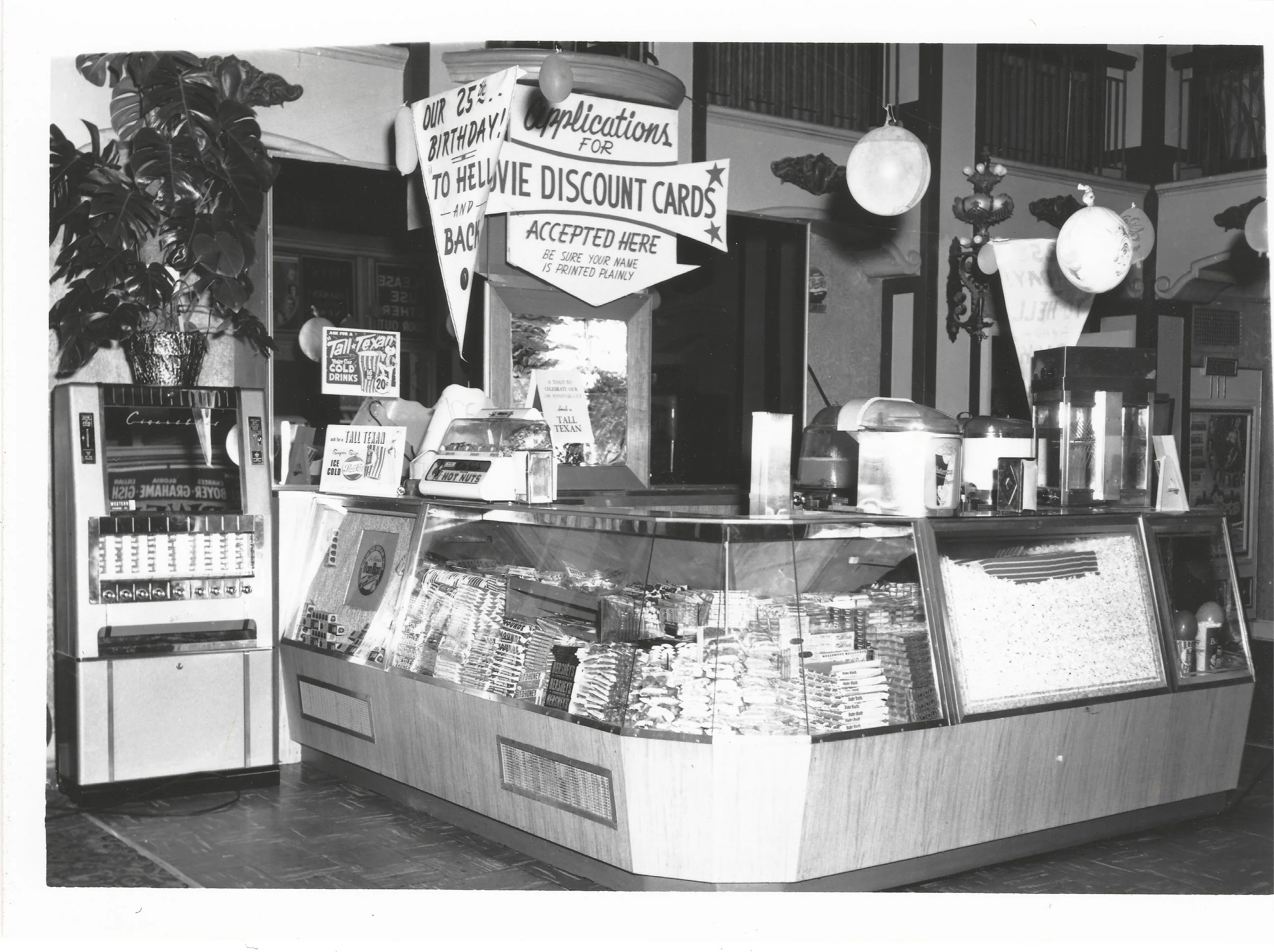
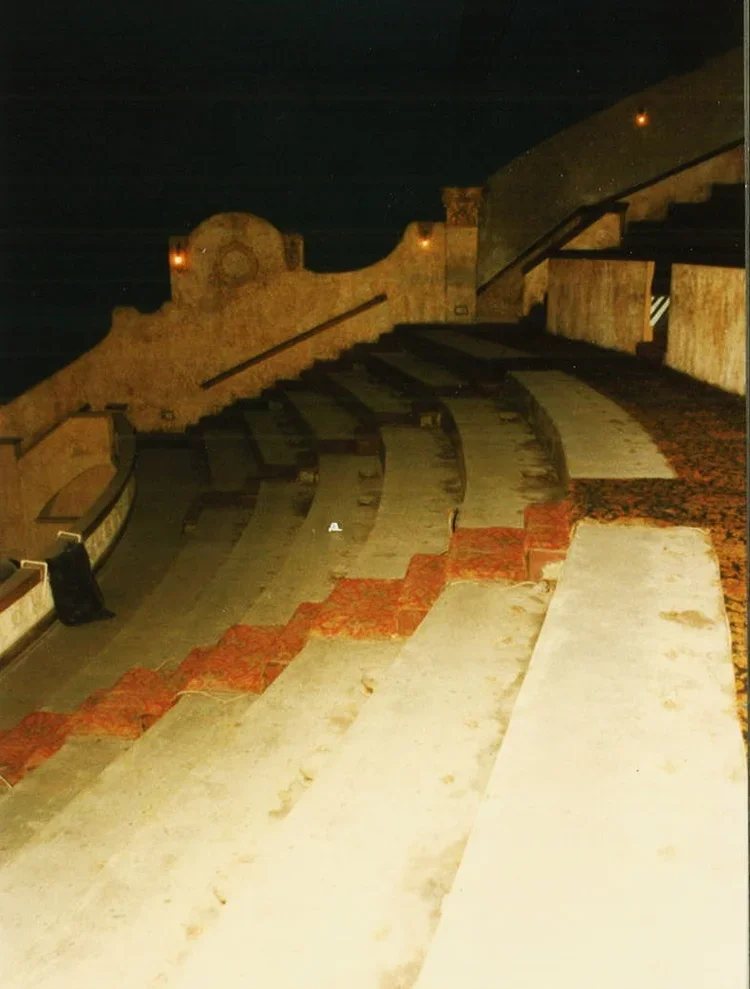
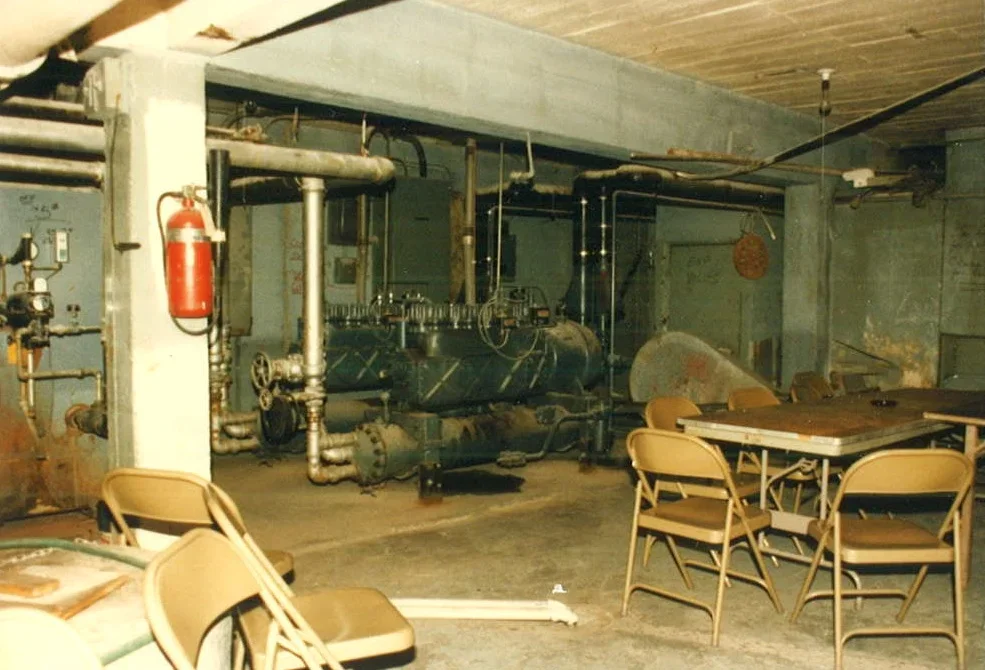
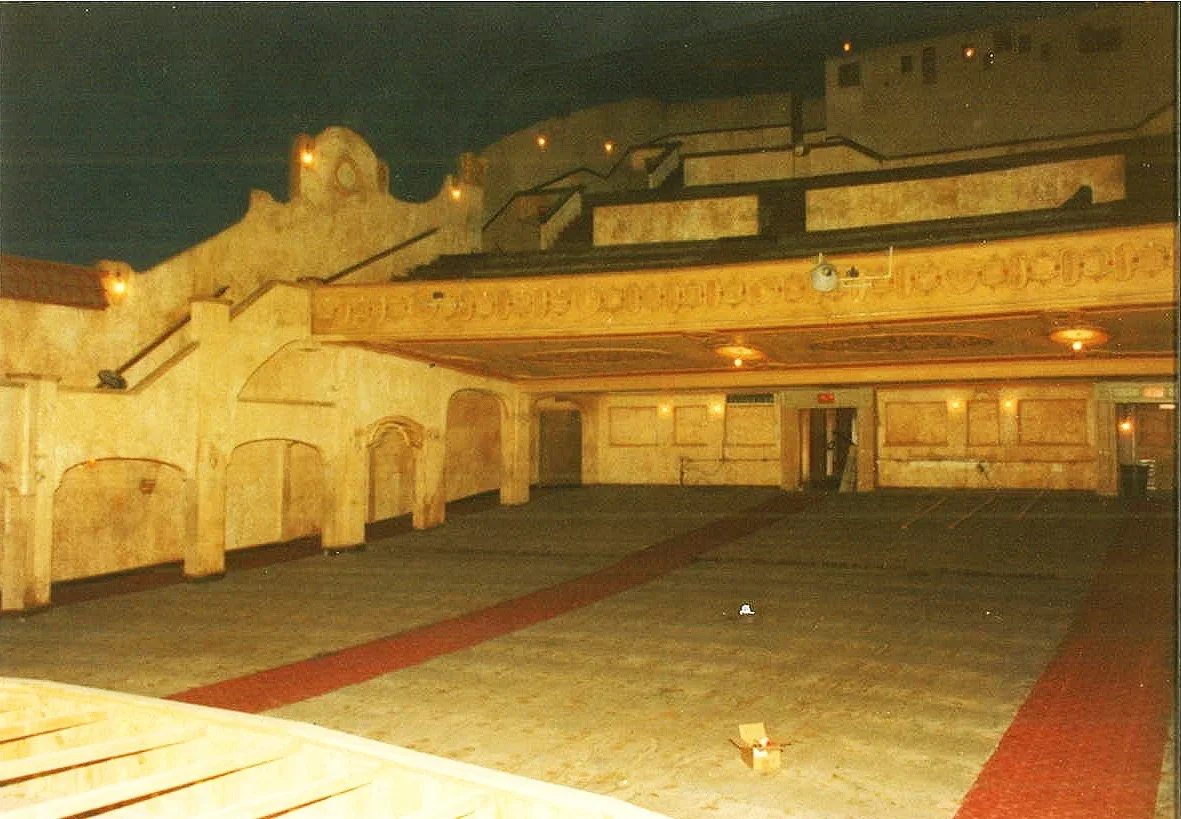
Horace O. Wooten, a prominent West Texan wholesale grocer, financed construction of the Paramount as part of his Wooten complex to compliment the adjacent Wooten Hotel, West Texas’ first modern skyscraper. Designed by famed architect David S. Castle, the Paramount opened May 19th, 1930. It continued to operate as a premier movie theatre until the mid-1970s, when thinning downtown traffic caused declining box office revenues. The theatre was closed for the first time since its opening.
Through the combined efforts of Bobbie Wolfe and Paul Mani, the Paramount was guided towards a future of preservation work. Discussions with the Abilene Preservation League began as early as 1980 in regard to place the building on the National Register of Historic Places their intentions to donate the building. A local foundation financed a full authentic restoration of the building in 1986 followed by completed renovations in 1987. This became the first of many official restoration projects for the APL. Setting a strong statement and tone for future projects to come.
The theatre is now operated and cared for by the non-profit Historic Paramount Theatre, Inc.
-
1930: The Paramount officially opens its doors on May 19th with a 6:30PM showing of its first movie Safety in Numbers starring Buddy Rogers.
1979: The Paramount officially closed its doors on September 3rd due to declining box office numbers. A common and patterned occurrence throughout the 1970s.
After a failed acquisition by an investment group earlier in July, a new pair of investors by the name of Bobbie Wolfe and Paul Mani attempted to purchase the Theater. This time proving successful with the sale of the Paramount officially closing on October 25th. A plan quickly formed with the Paramount Opry of Abilene, Inc. to begin offering performing arts programs.
This group volunteered countless hours cleaning, painting and addressing maintenance to the structure and equipment. Wolfe and Mani invested their own personal funds into those efforts, including a new professional sound system, roof repairs and a new snack bar.
1980: The theater officially opened as the opry group on January 11. Unfortunately, they ceased operations just a few months later in April. It was then leased to a group who opened it as the Country Music Hall. It met the same fate later that year in October.
Discussions between Bobbie Wolfe (primary owner) and the Abilene Preservation League began in August regarding donation, transfer of ownership and nominating the theater for the National Register of Historic Places. This conversation continued through the end of the year alongside the start of APL’s official fundraising campaign.
Bobbie Wolfe and Paul Mani officially donated the Paramount Theater to the Abilene Preservation League, taking effect on December 31.
1981: Despite what the newspapers and rumors suggested, demolition was never considered and there was no intention of a parking lot to replace it. Bobbie Wolfe and Paul Mani remained committed to the preservation and renovation of the Paramount Theater. Which was earlier stated as a condition within the letters and contracts of their donation.
1981 - 1984: The APL continued to put on cultural programs including classical films, local artists and groups, plays and other performing arts.
A generous donation from the then, Dodge Jones Foundation, fulfilled equipment lease obligations setting a new path for APL and The Paramount Theater.
1984: Part of the stage area caught fire creating set back.
1986: Receives it’s national register plaque alongside being placed under Abilene’s Historic Overlay Zoning.
The Dodge Jones Foundation gave a significant donation allowing a full scale renovation of the historic theater to commence.
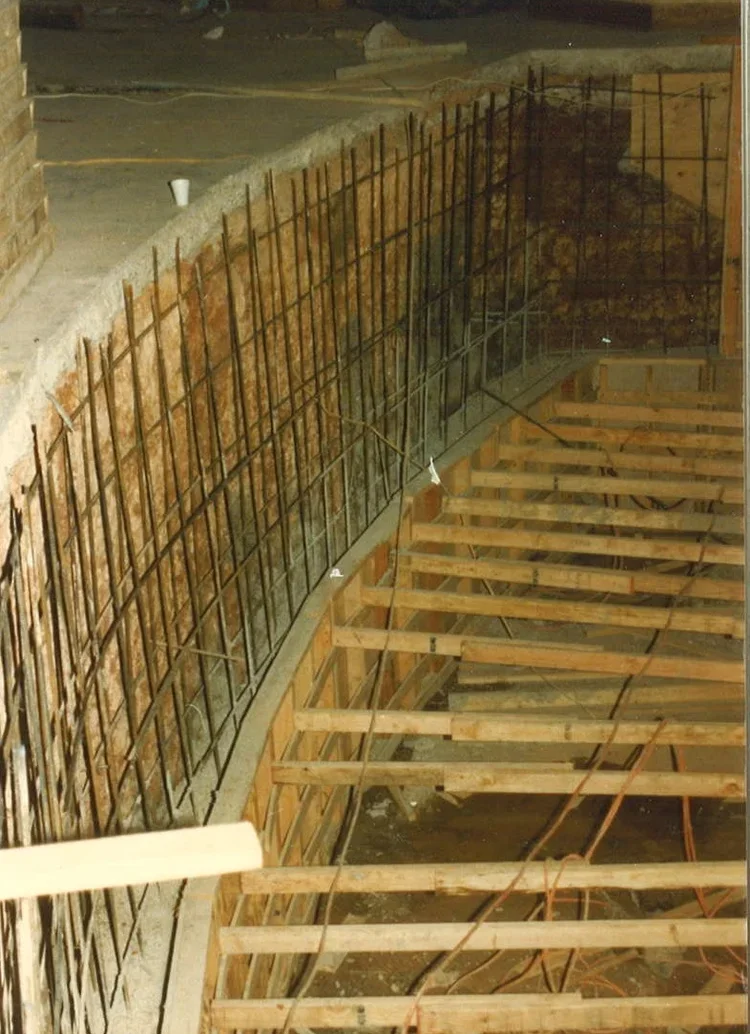
Restoration work begins on non-public areas in November in order to finish out the 1986 Classic Film Series. This includes stage work, dressing rooms, staircases and orchestra pit.
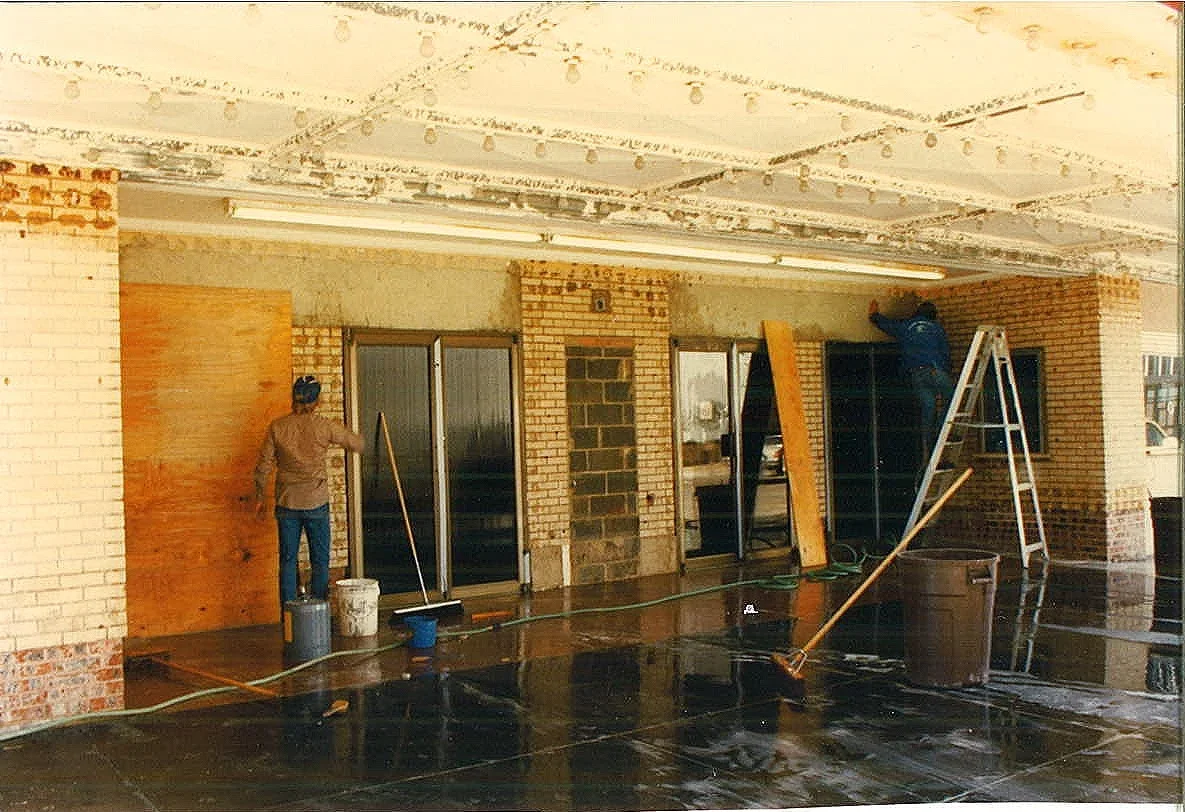
1987: Extensive renovations continued to be made throughout the beginning of the year including but not limited to: Restored neon sign, exterior doors, recreated box office, cleaned and repainted interior (plaster decorations, chandeliers and more), new carpet, lobby decor, repainted and recovered seats, additional restrooms, a second concession stand, stage and improved technology, rewiring, replumbing.
The newly completed renovations made for a perfect gala, grand reopening of the theater on May 21.
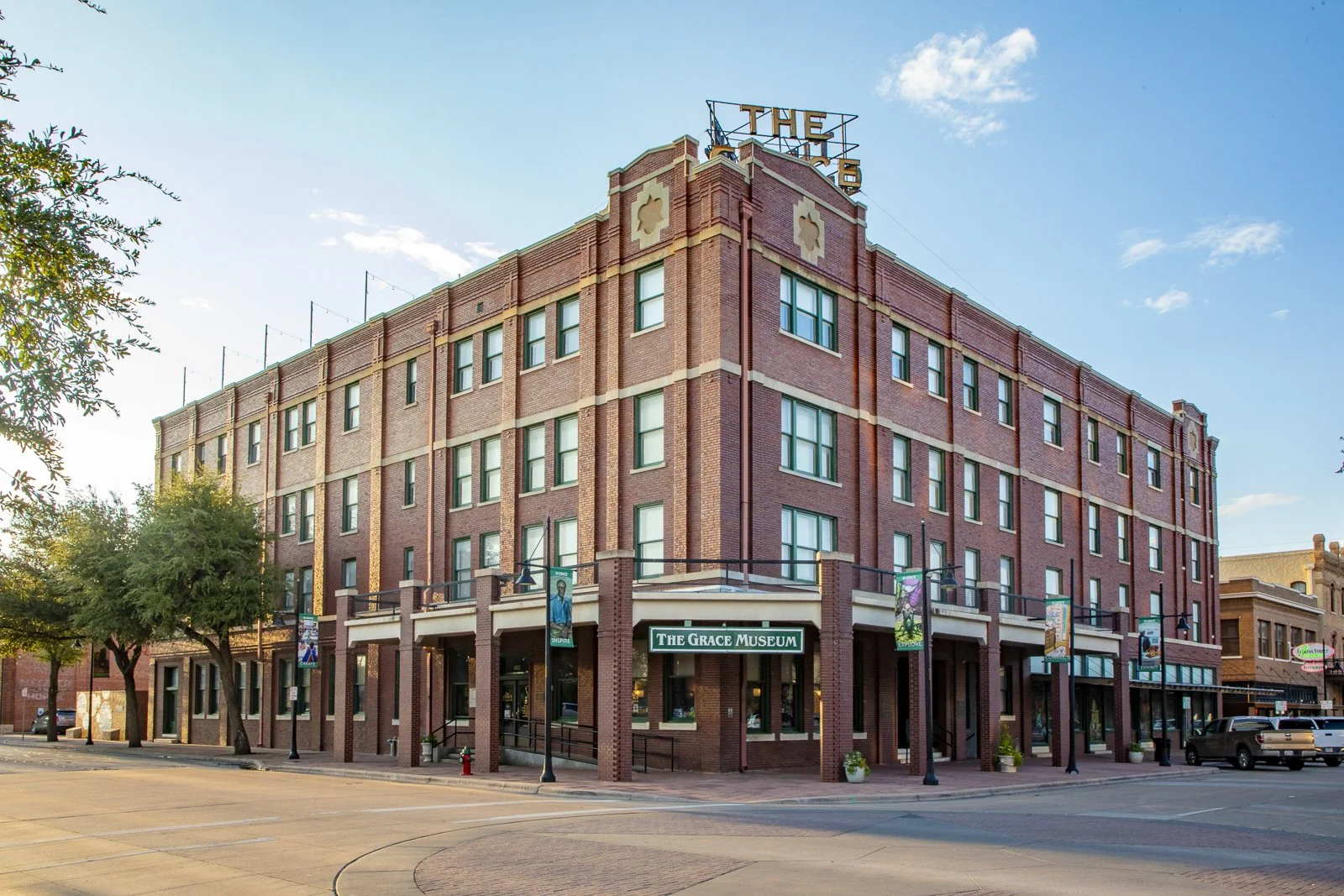
The Grace Hotel
Credit: Ken Fitzgerald Photography
102 Cypress Street
Built: 1909
Style: Mission/Spanish Revival, Eclectic
Occupant: GRACE MUSEUM INC
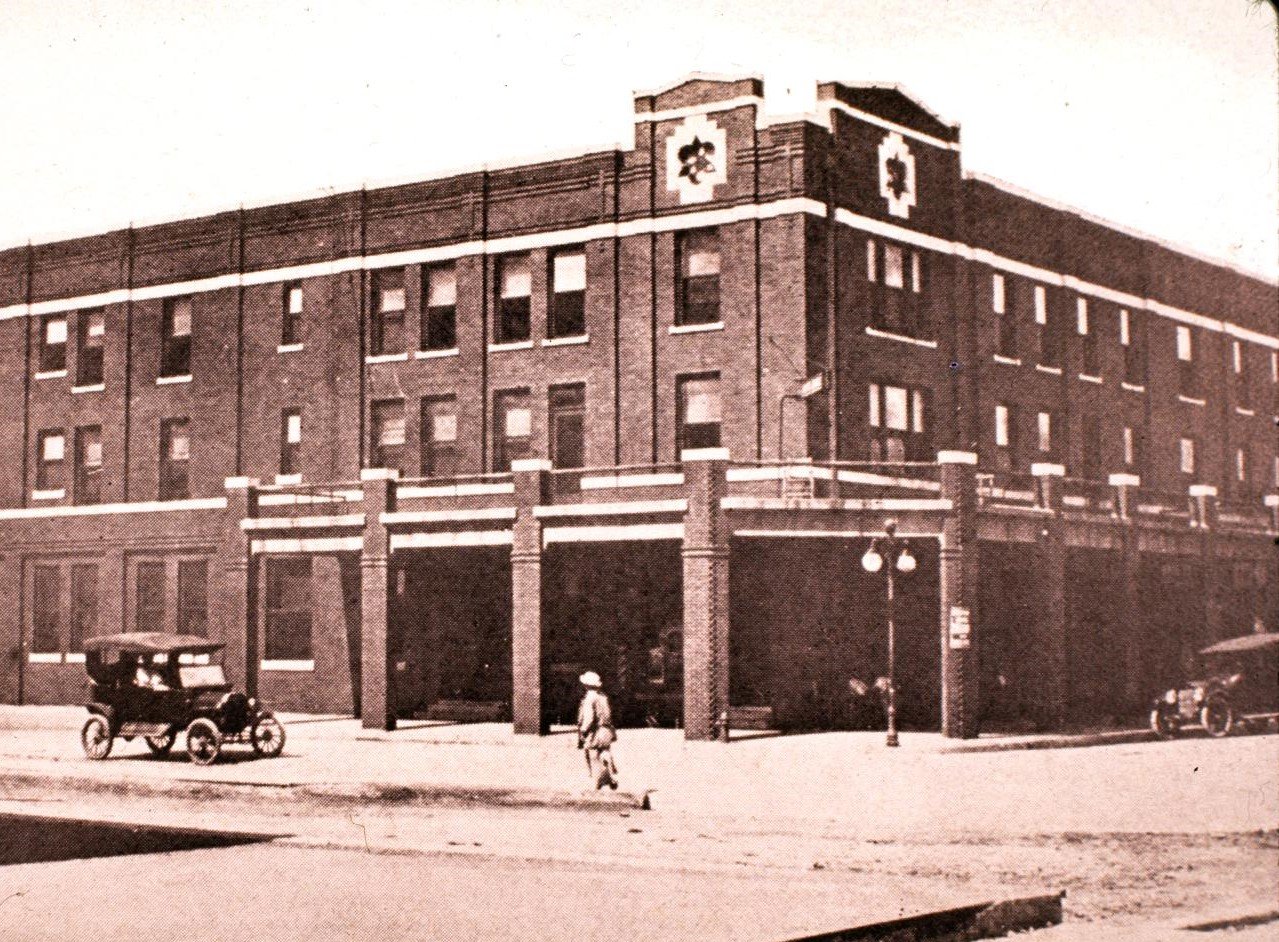
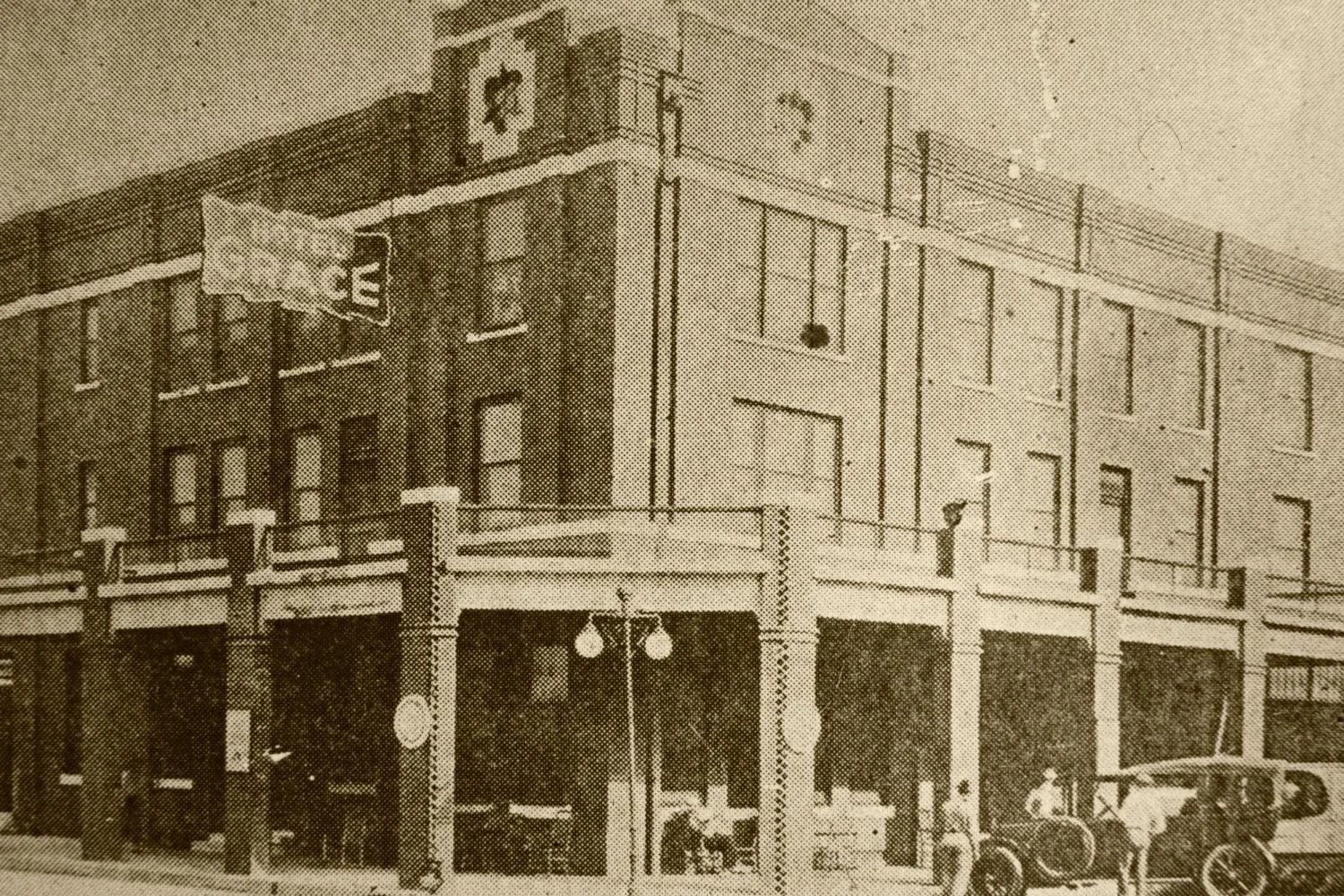
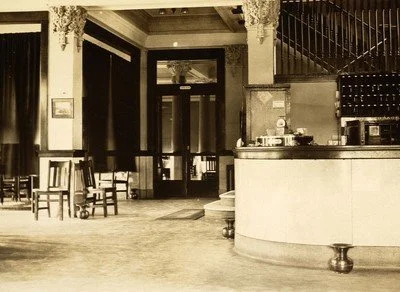
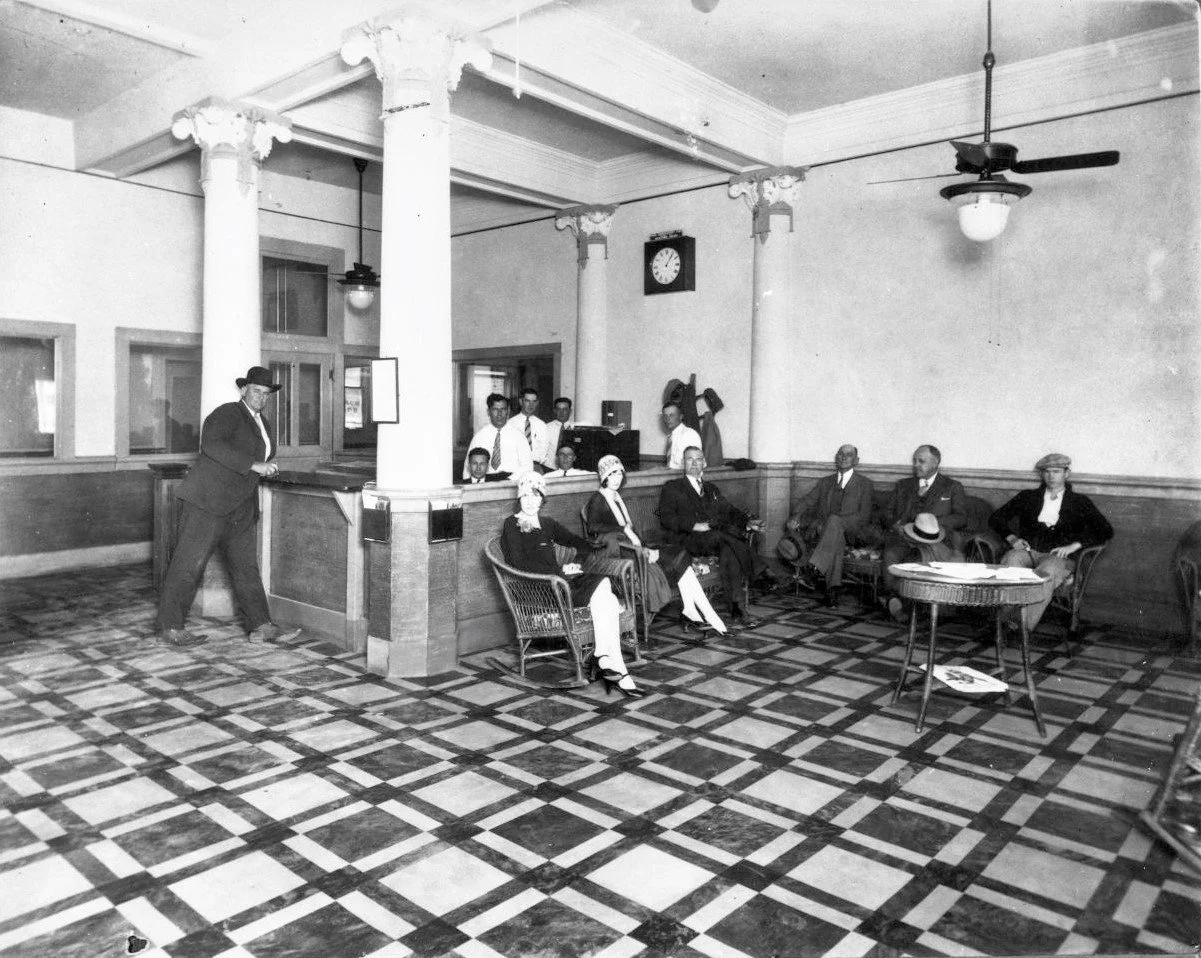
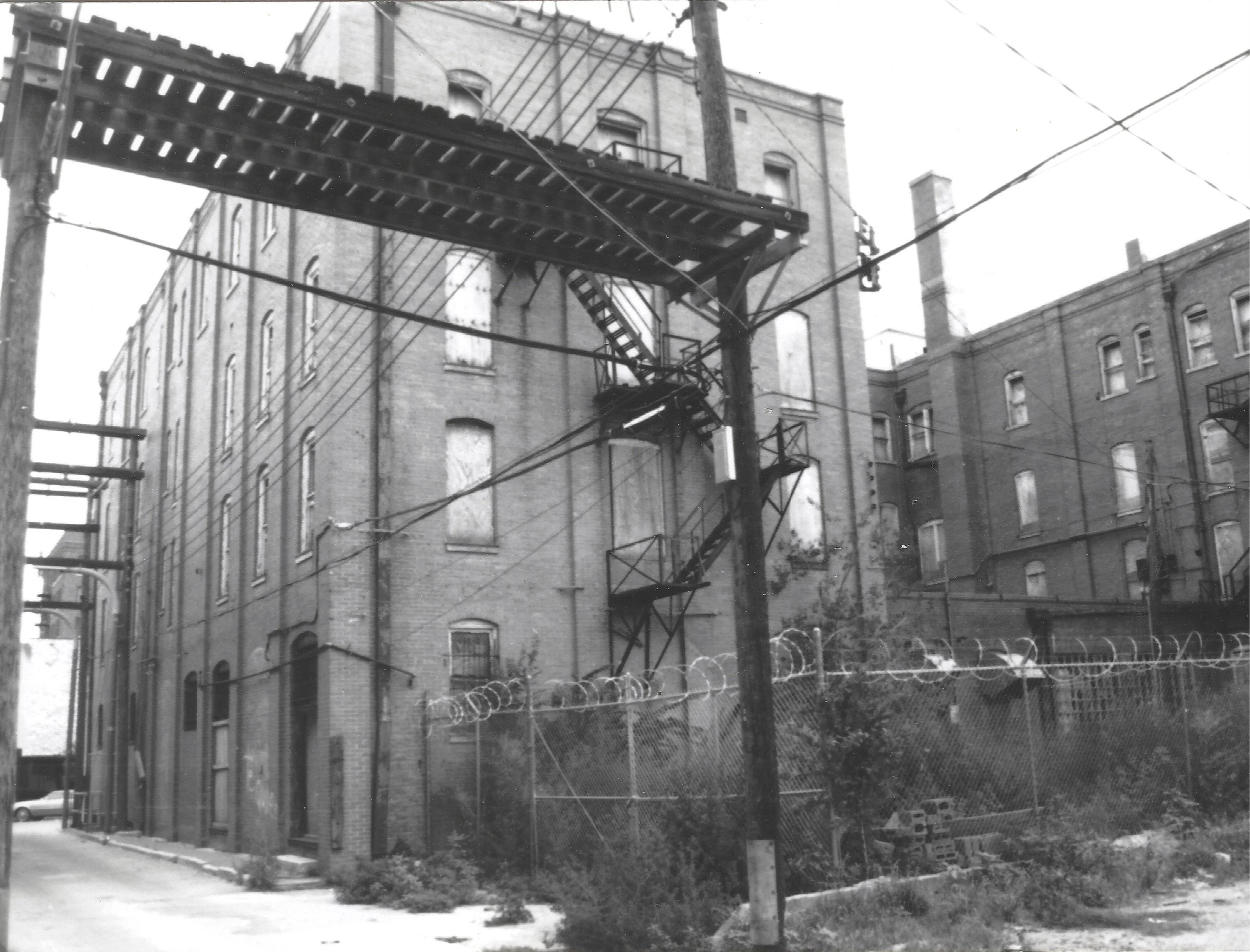
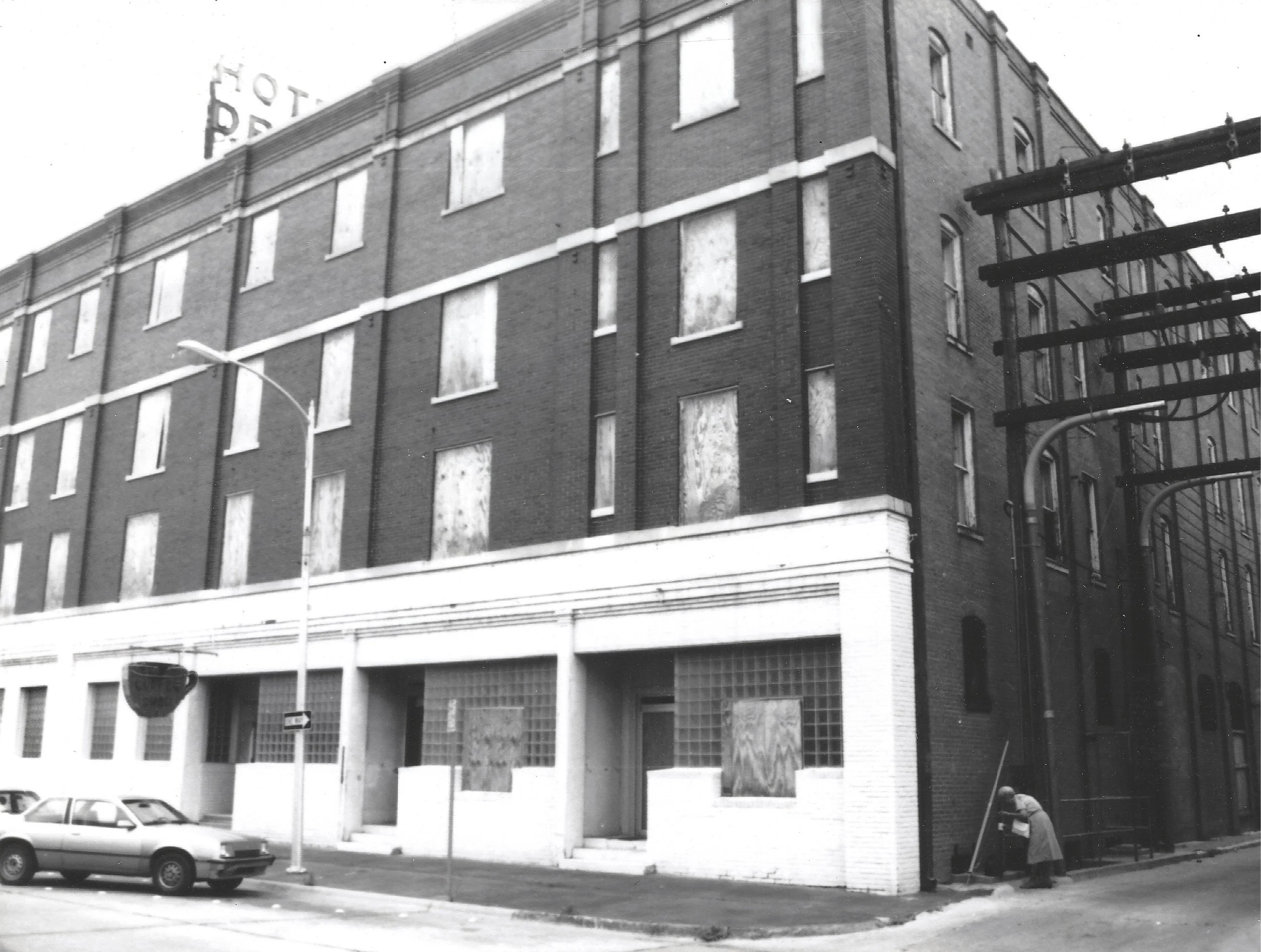
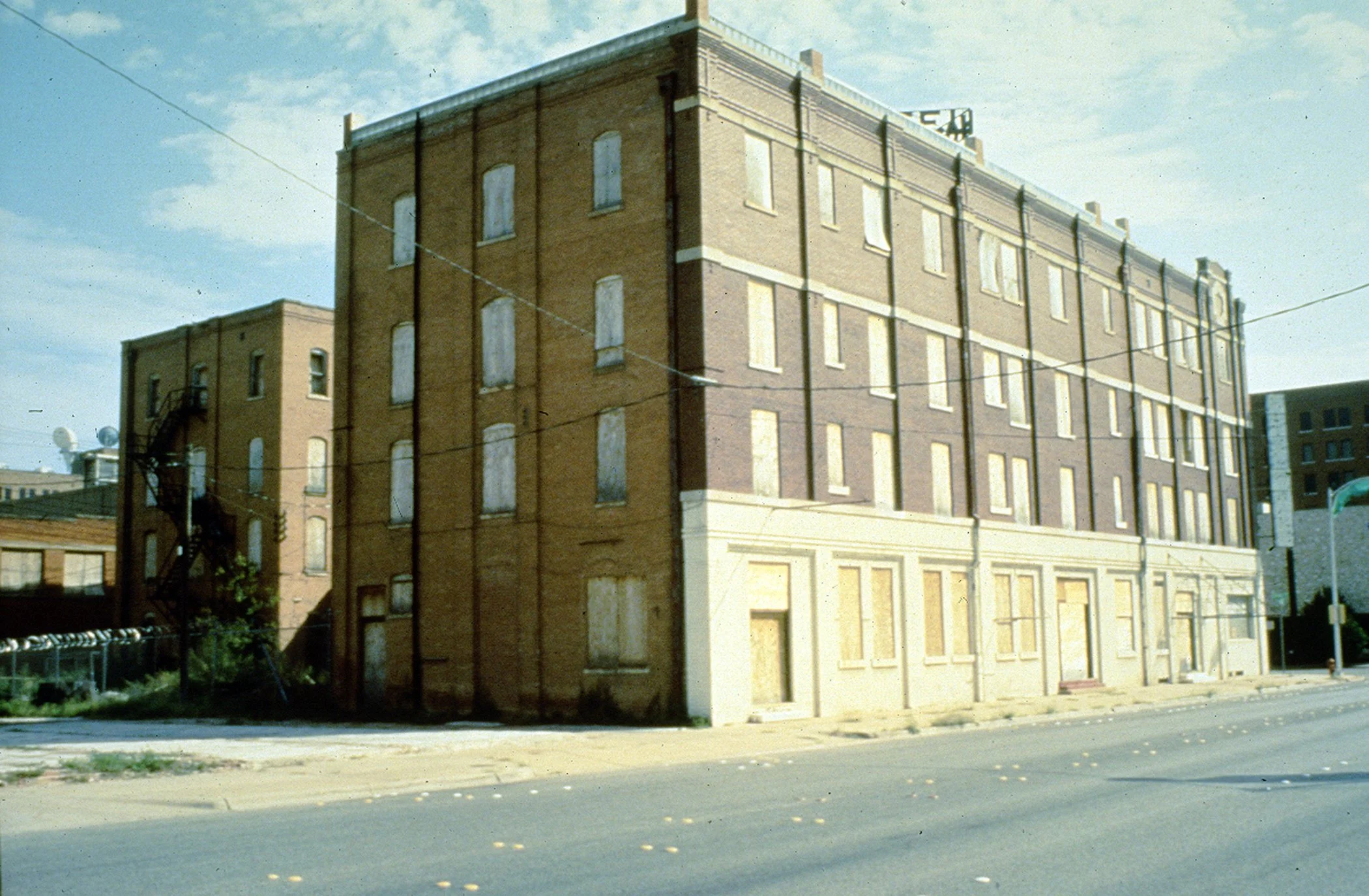
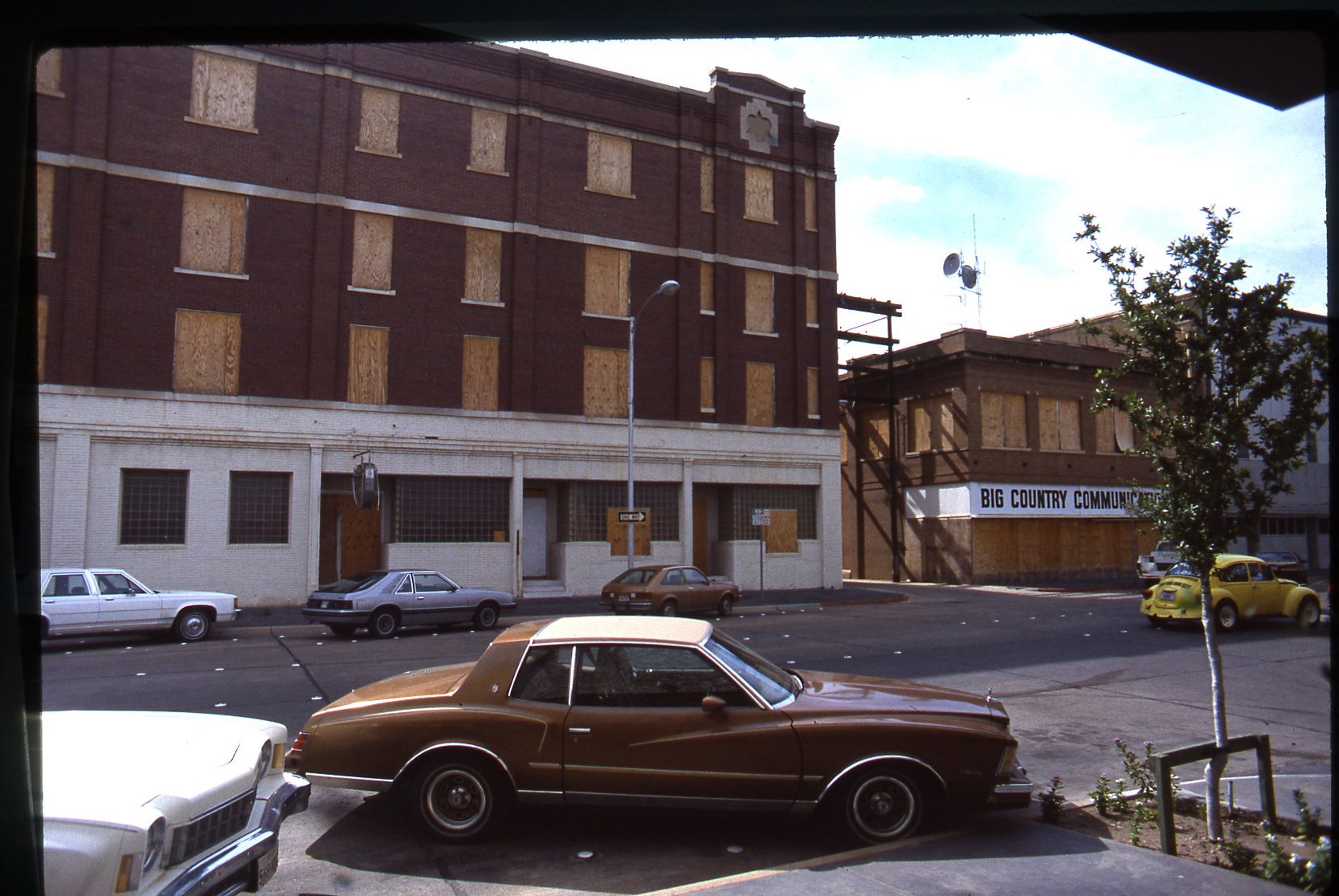
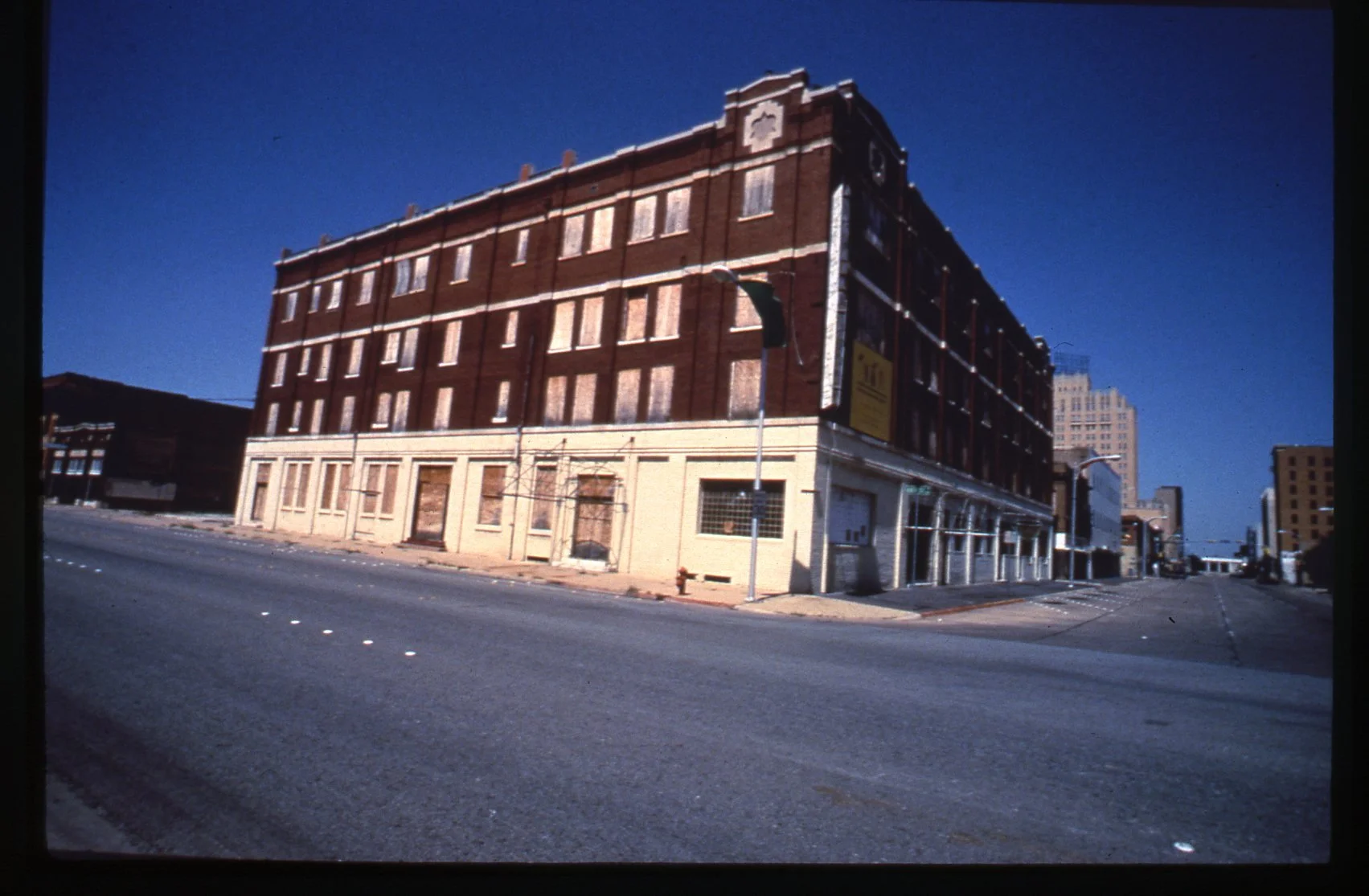
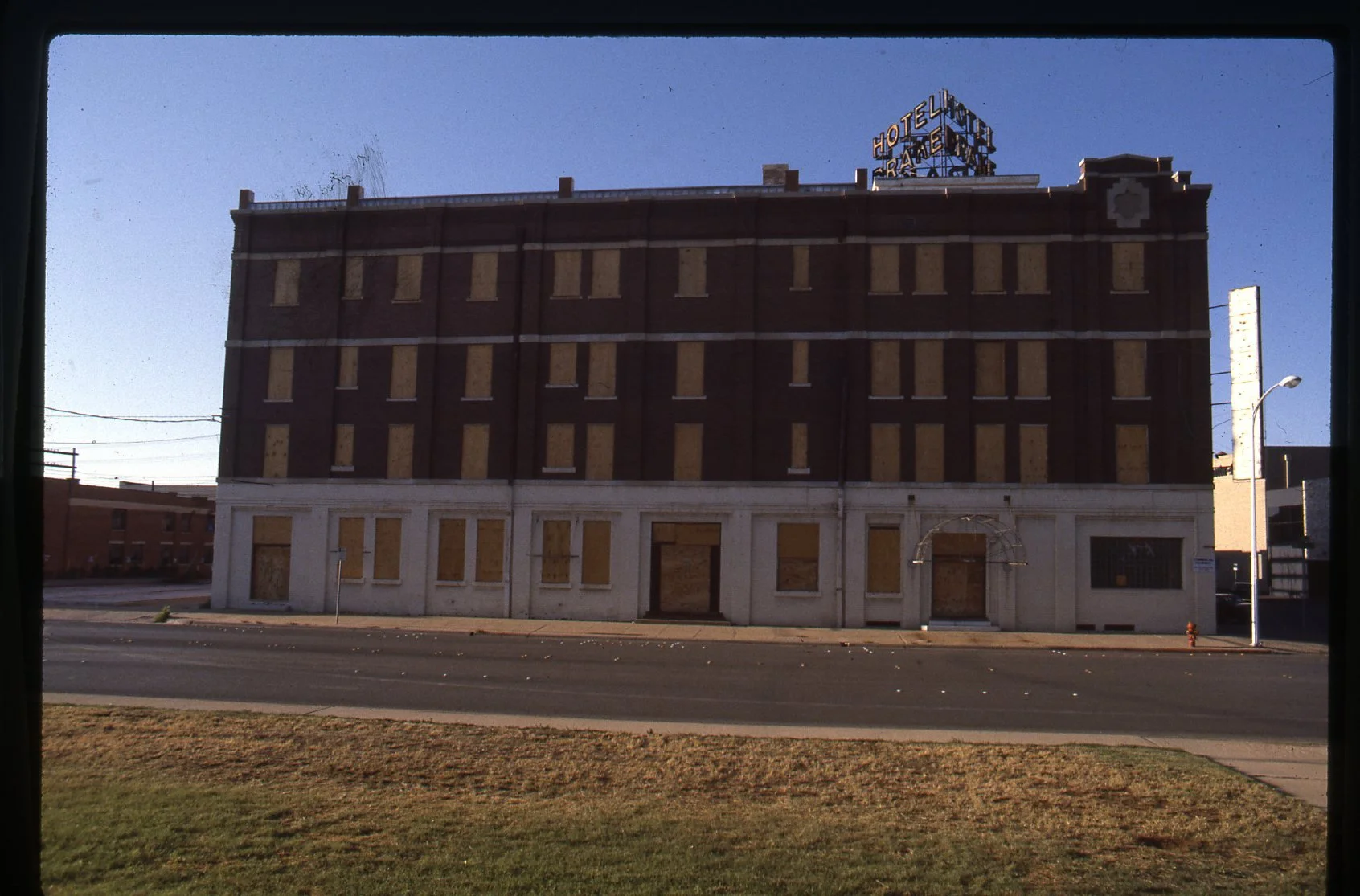
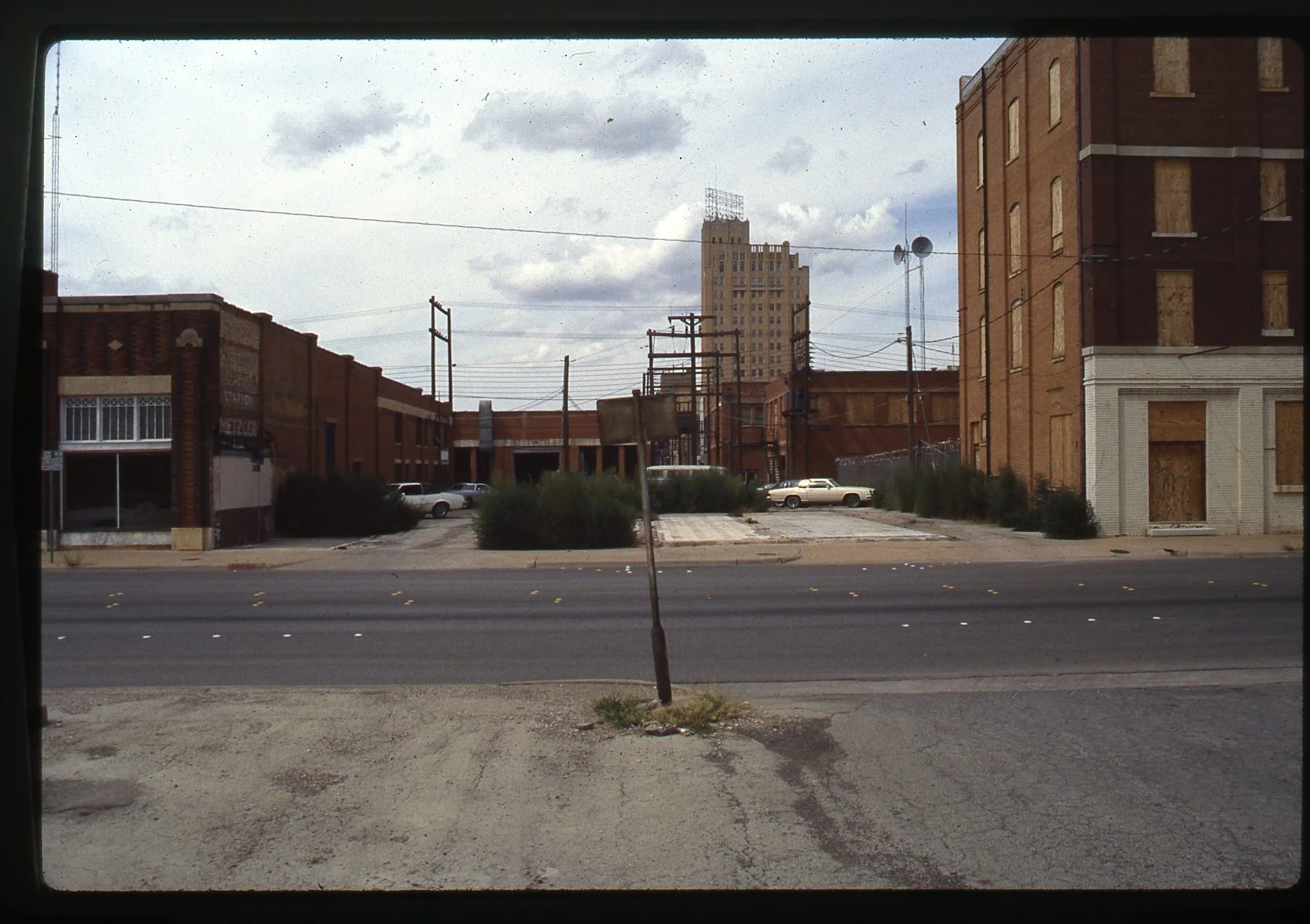
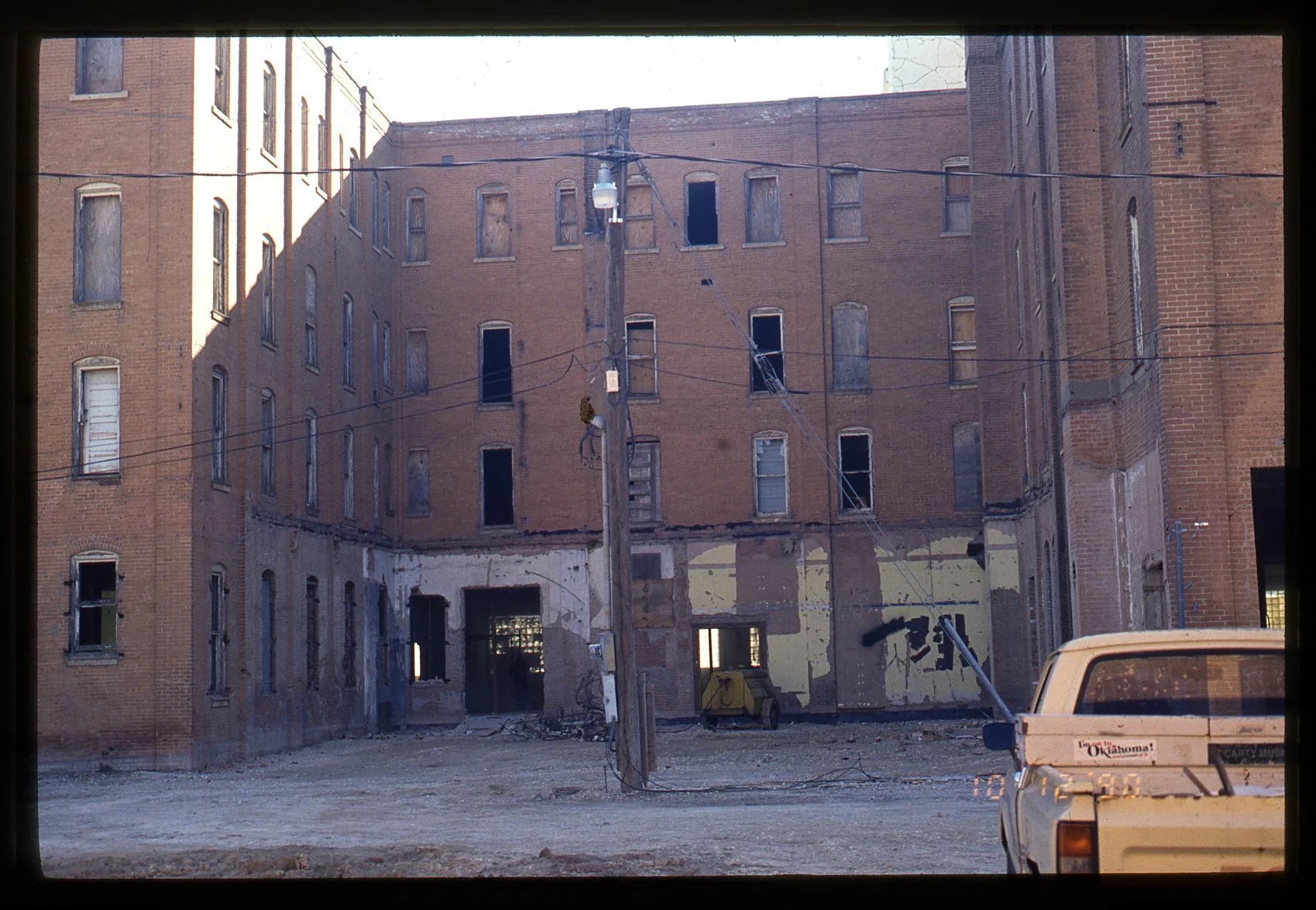
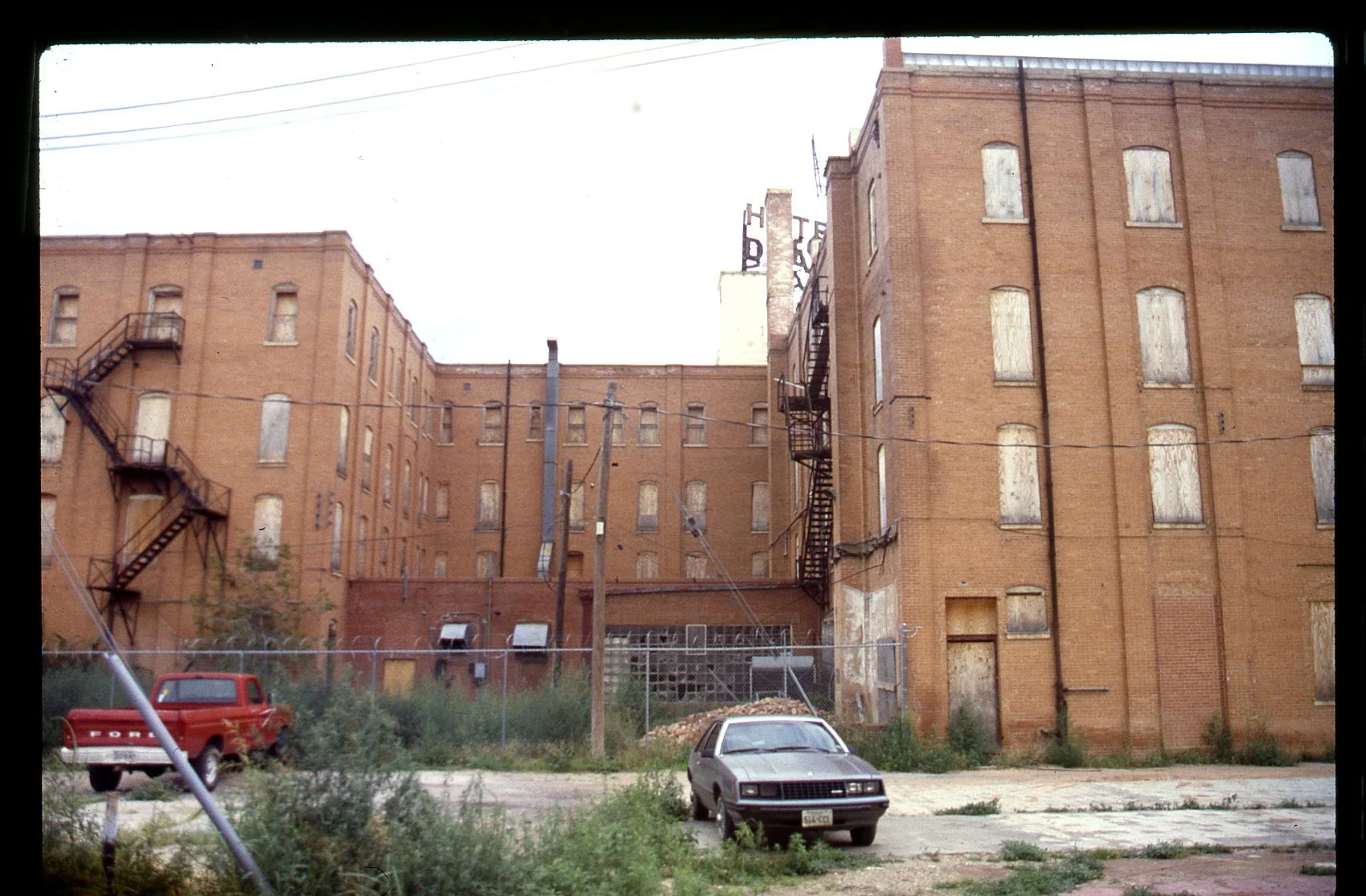
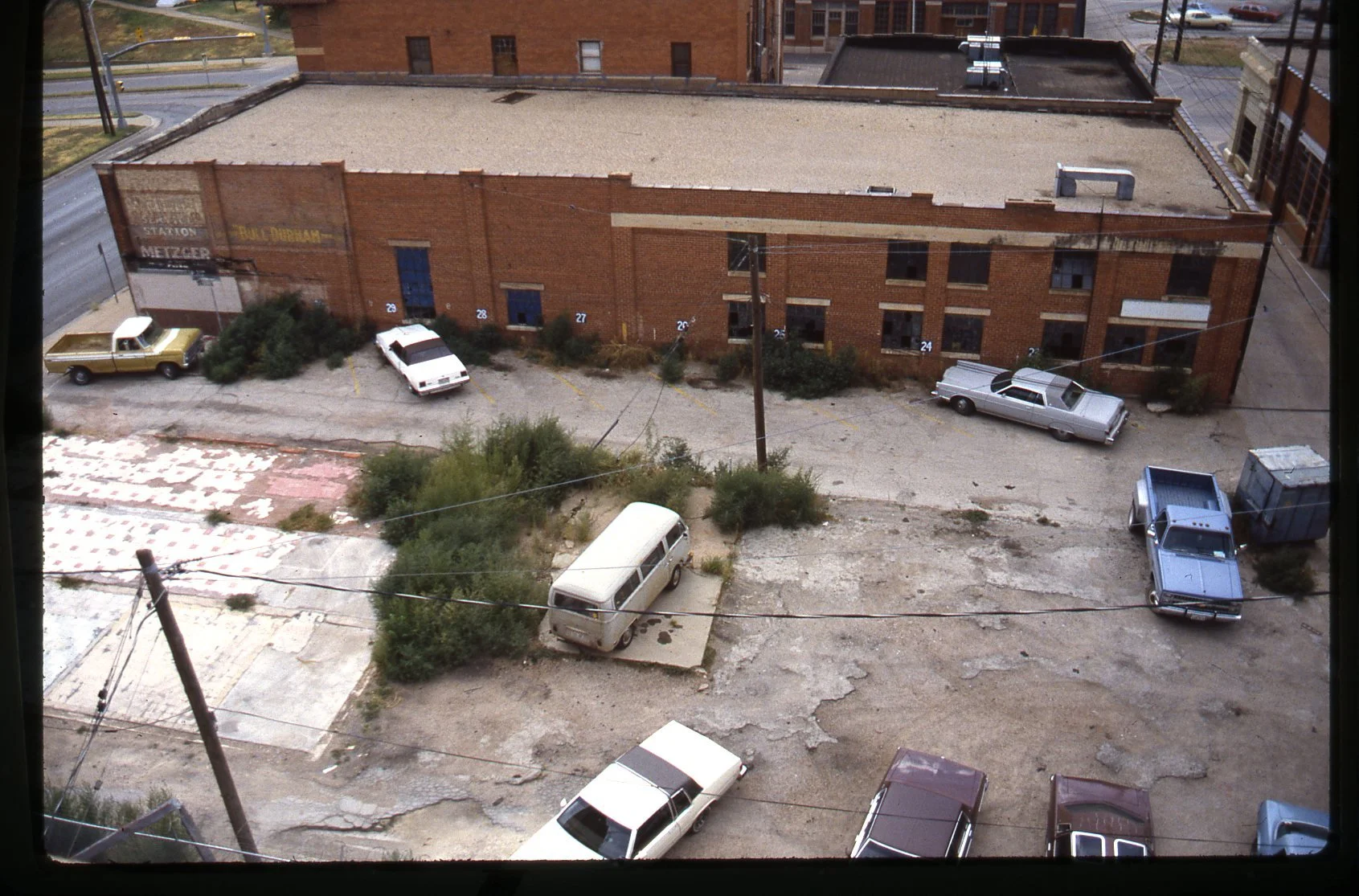
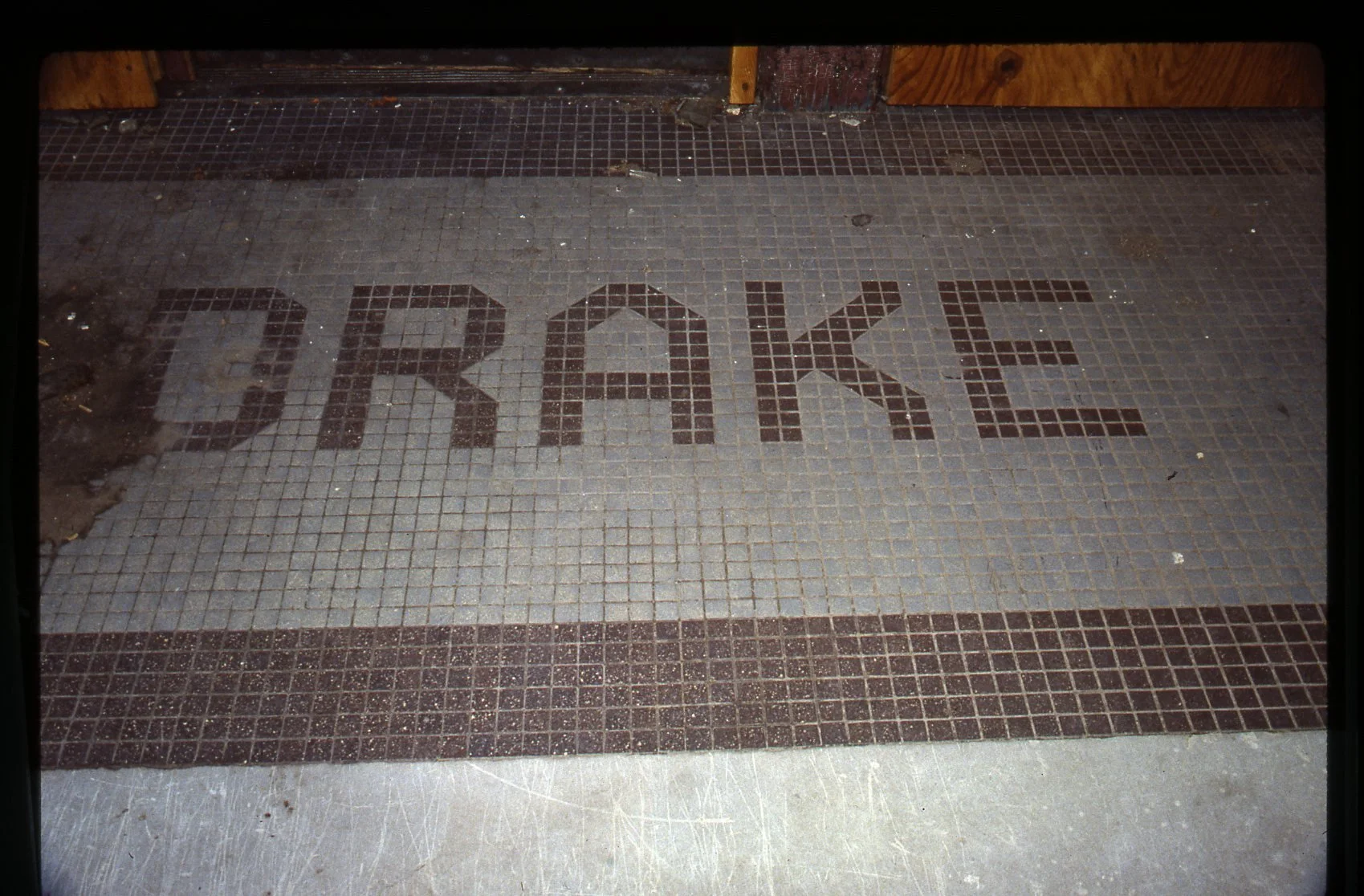
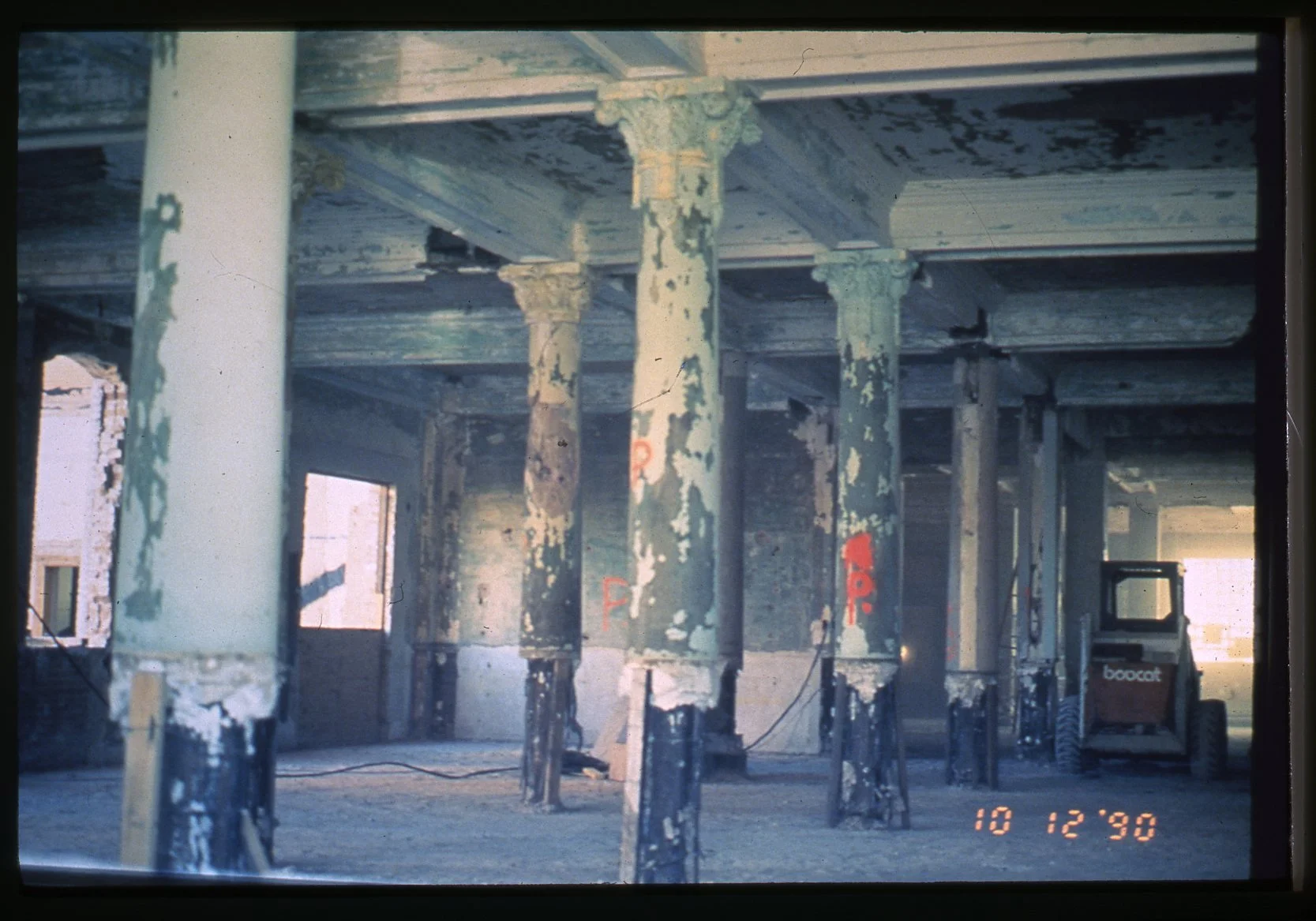
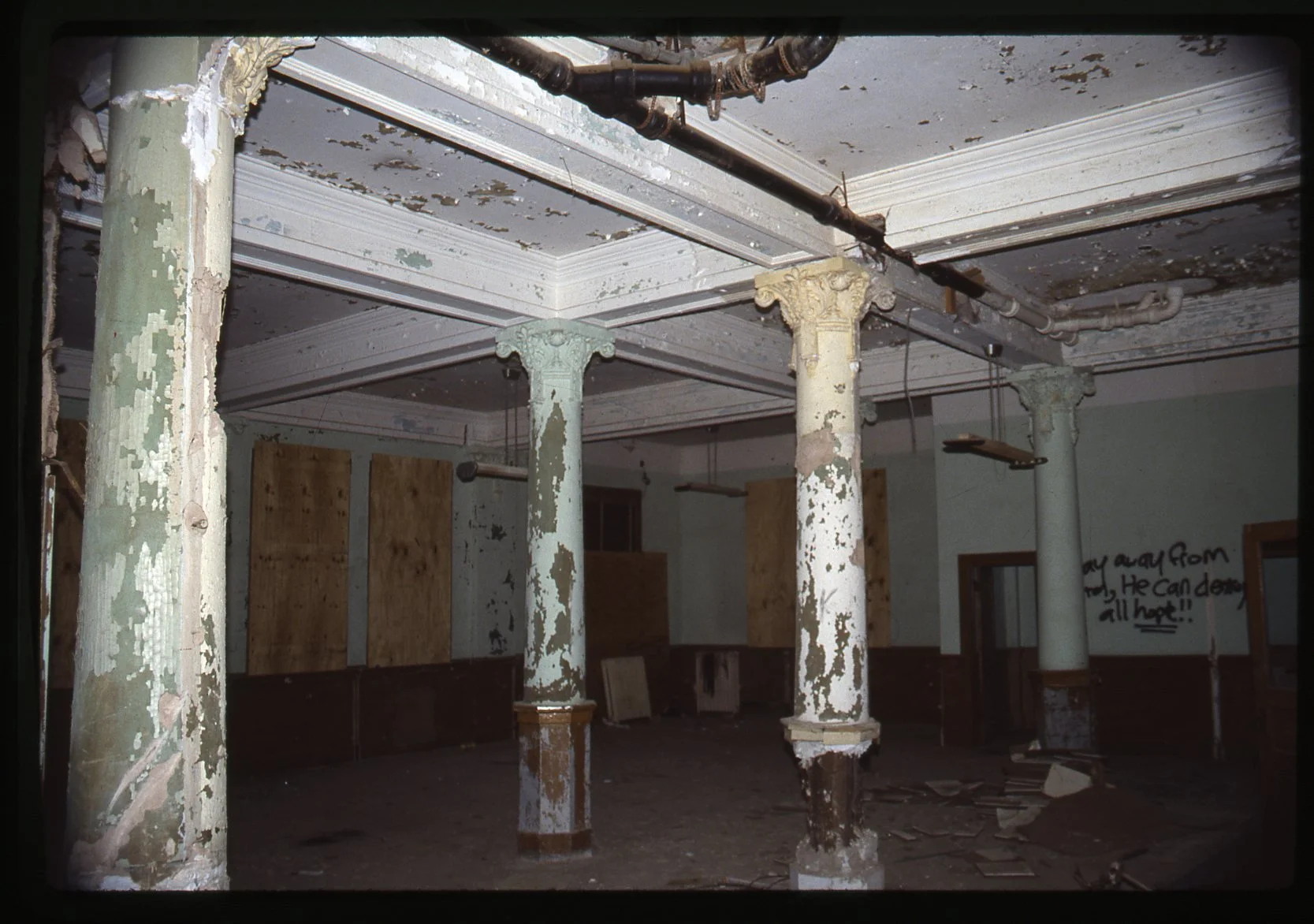
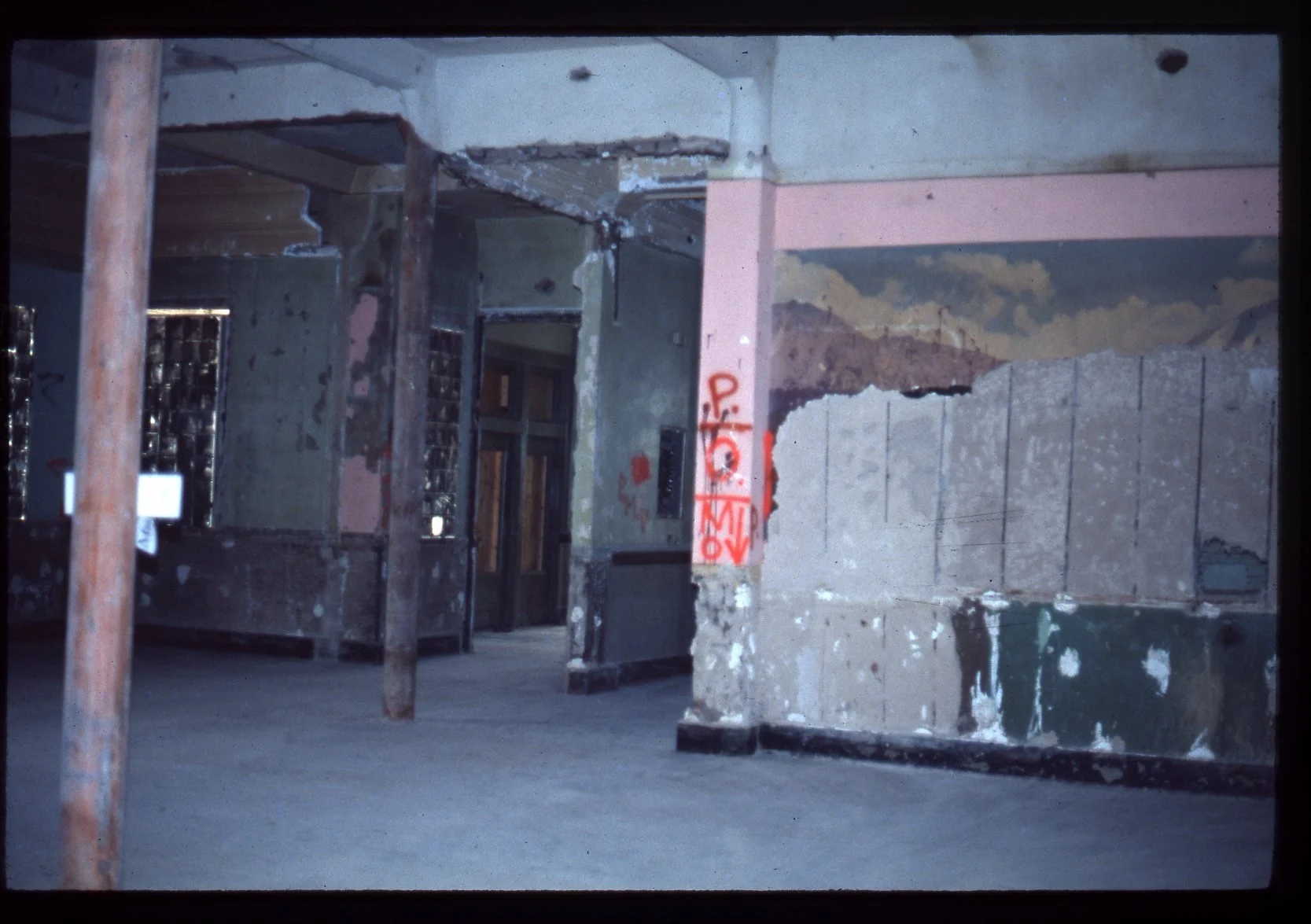
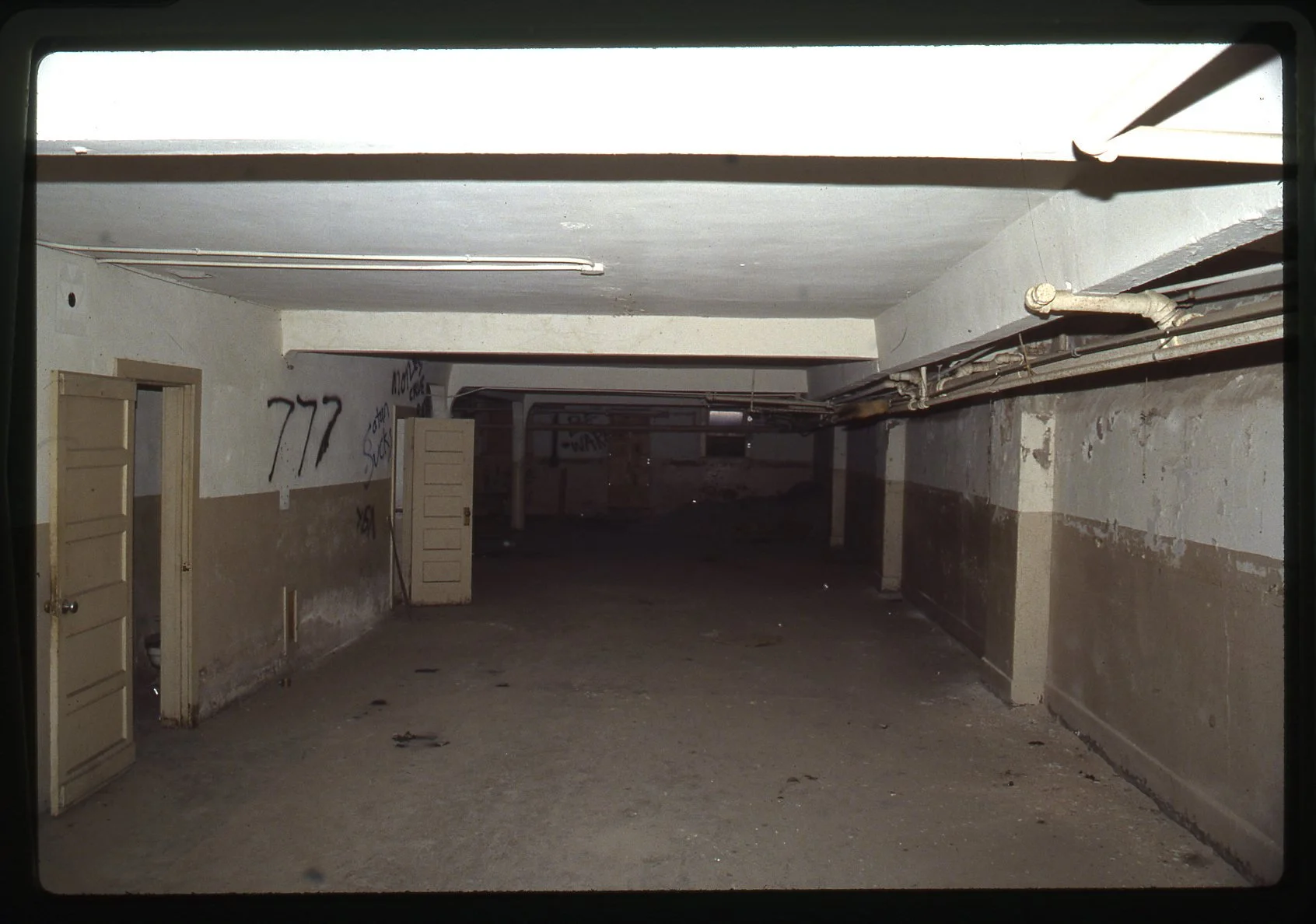
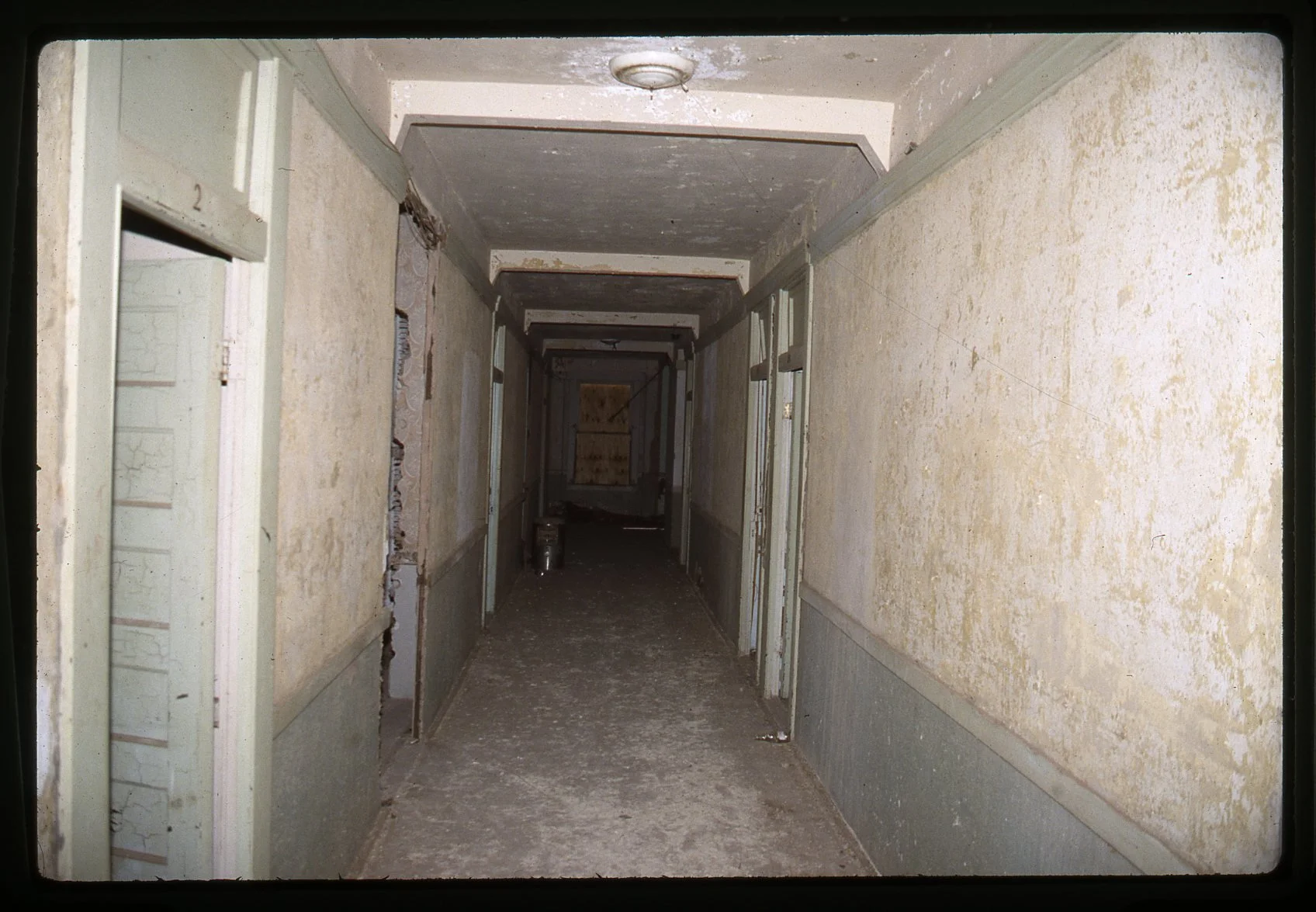
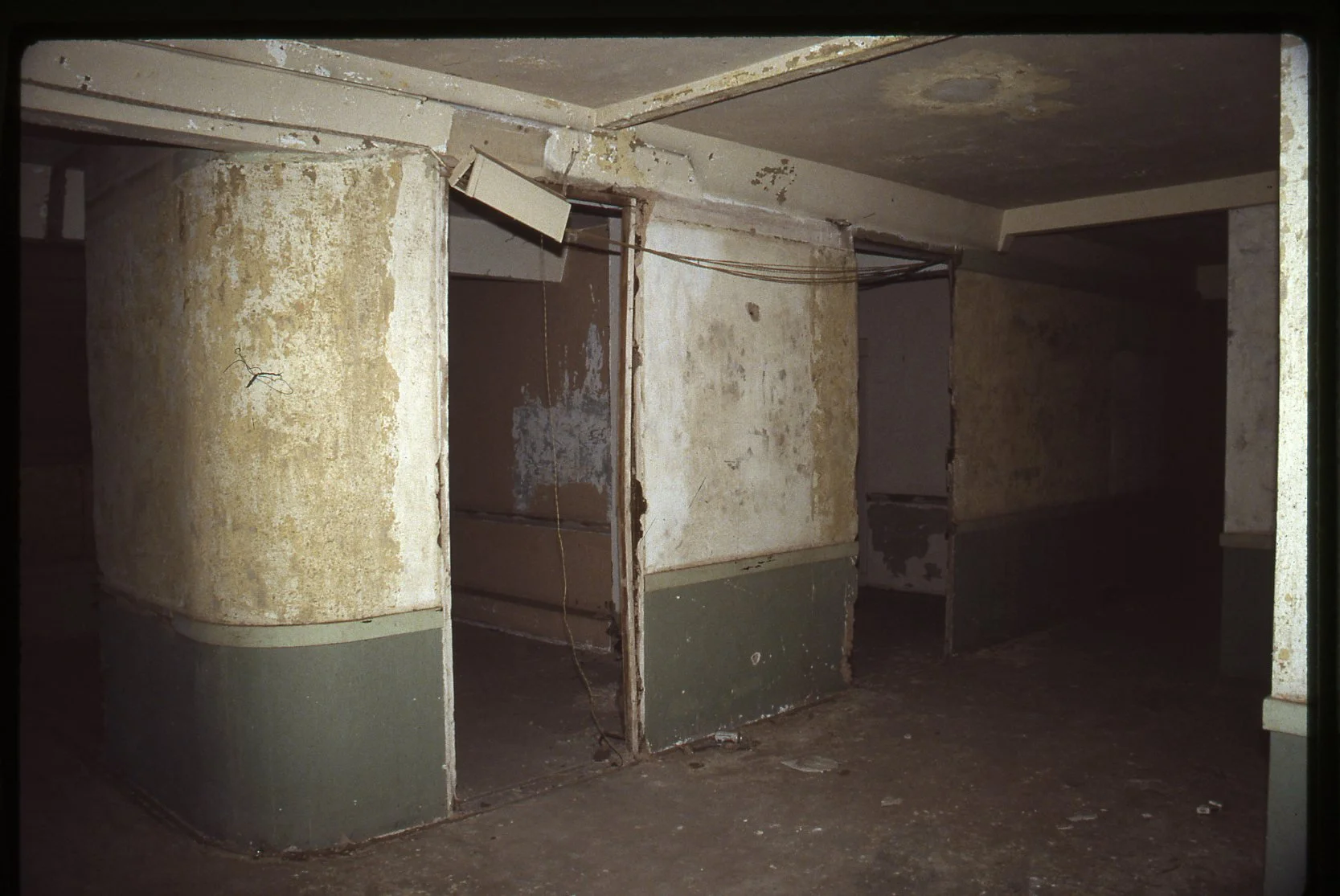
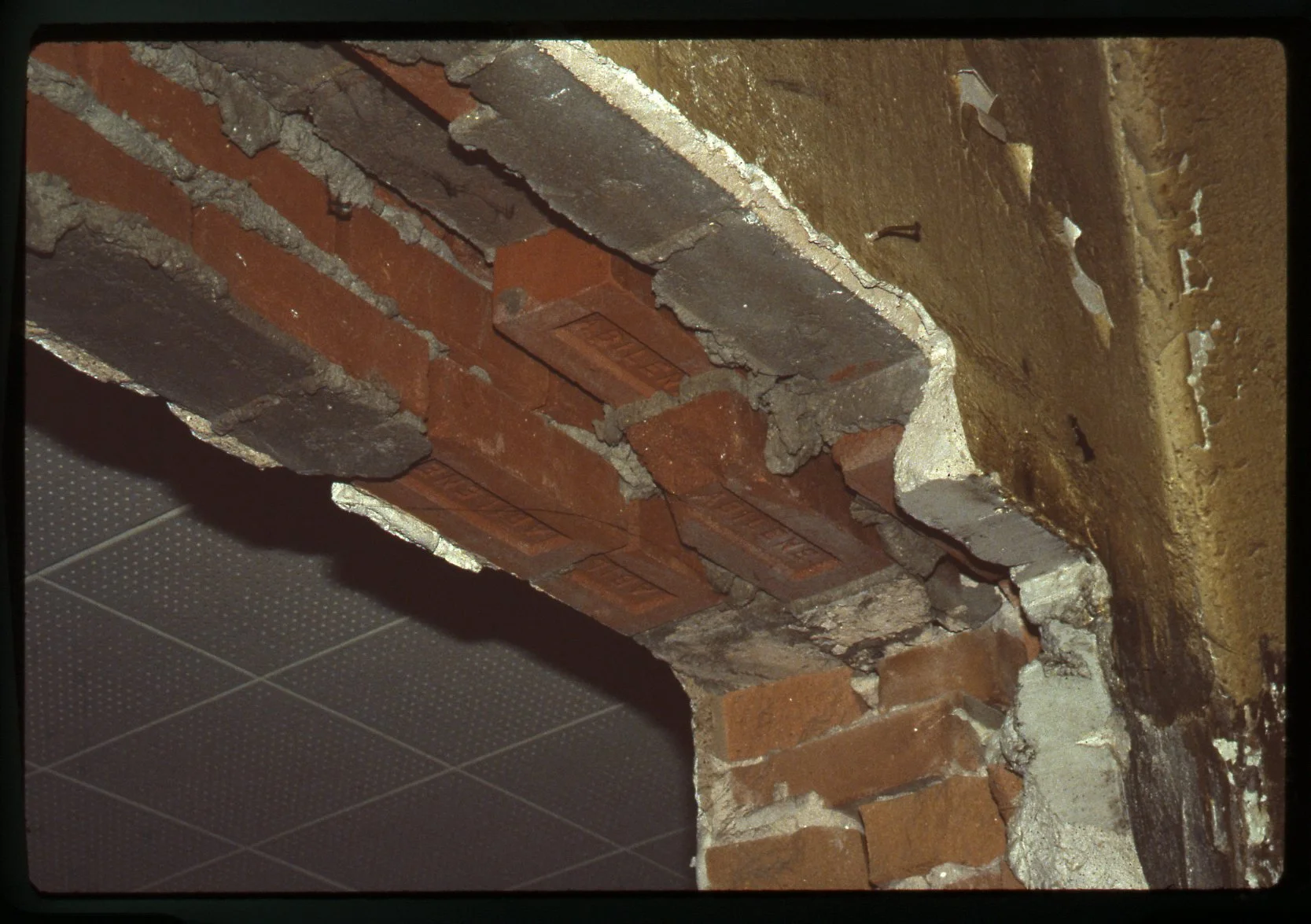
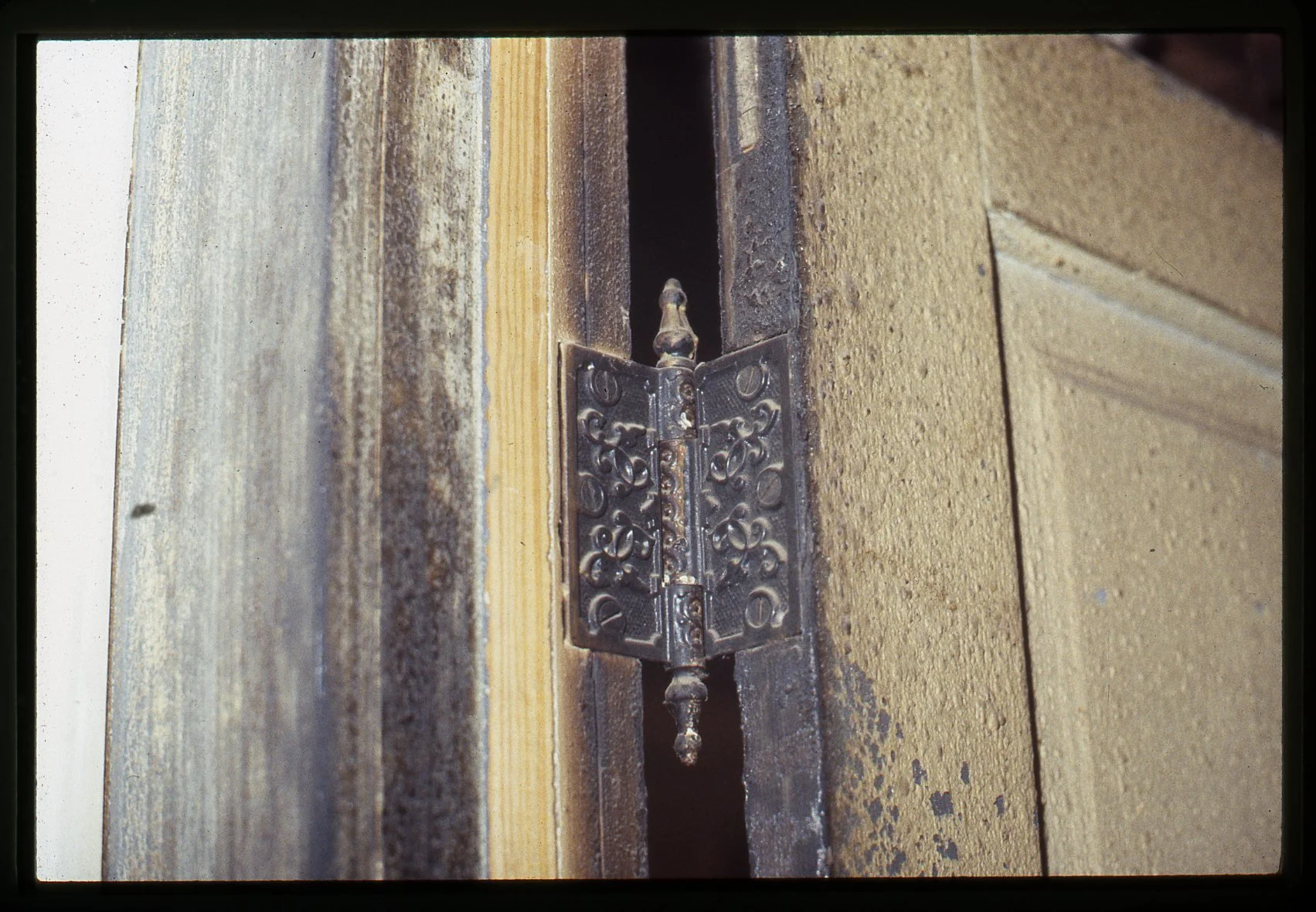
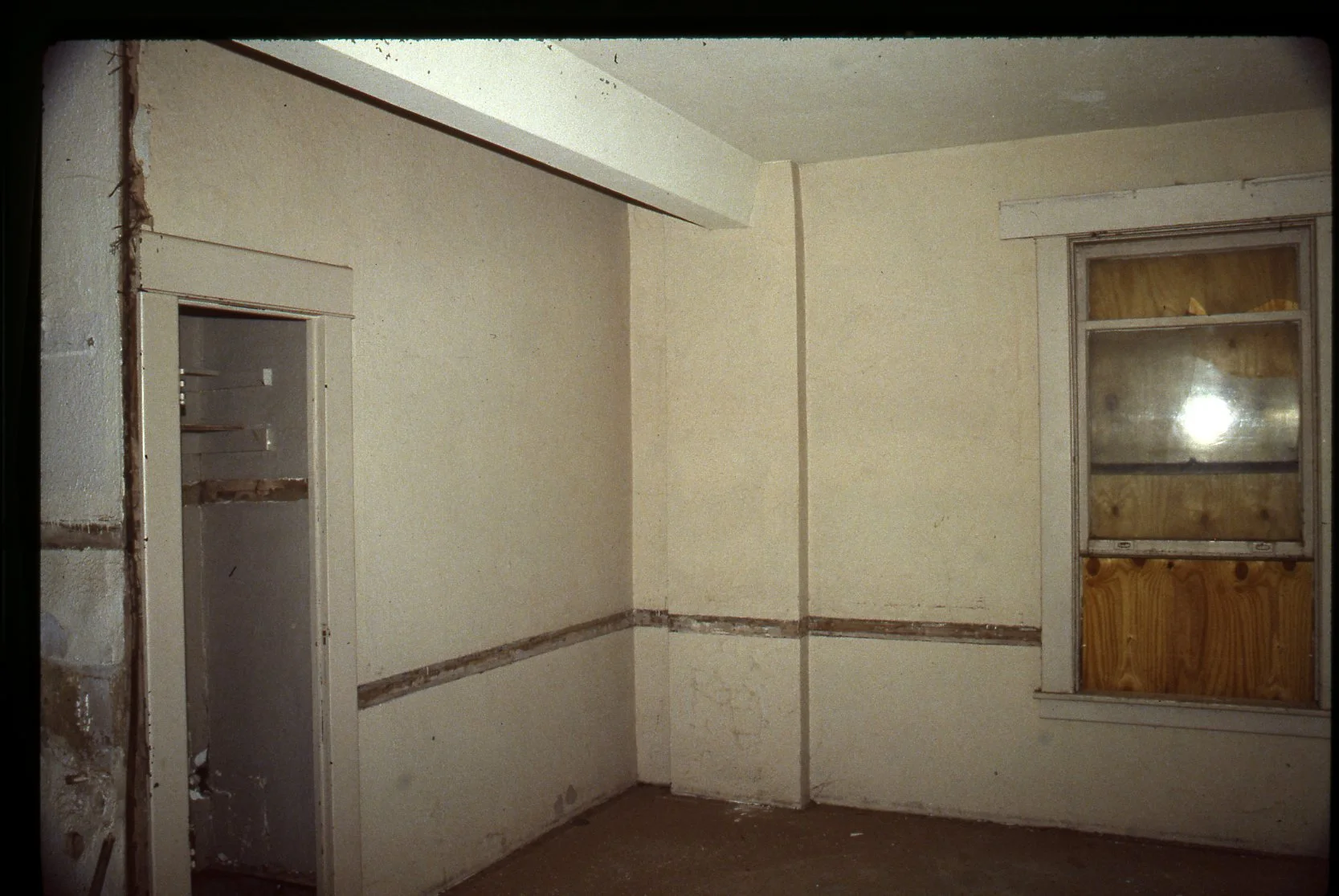
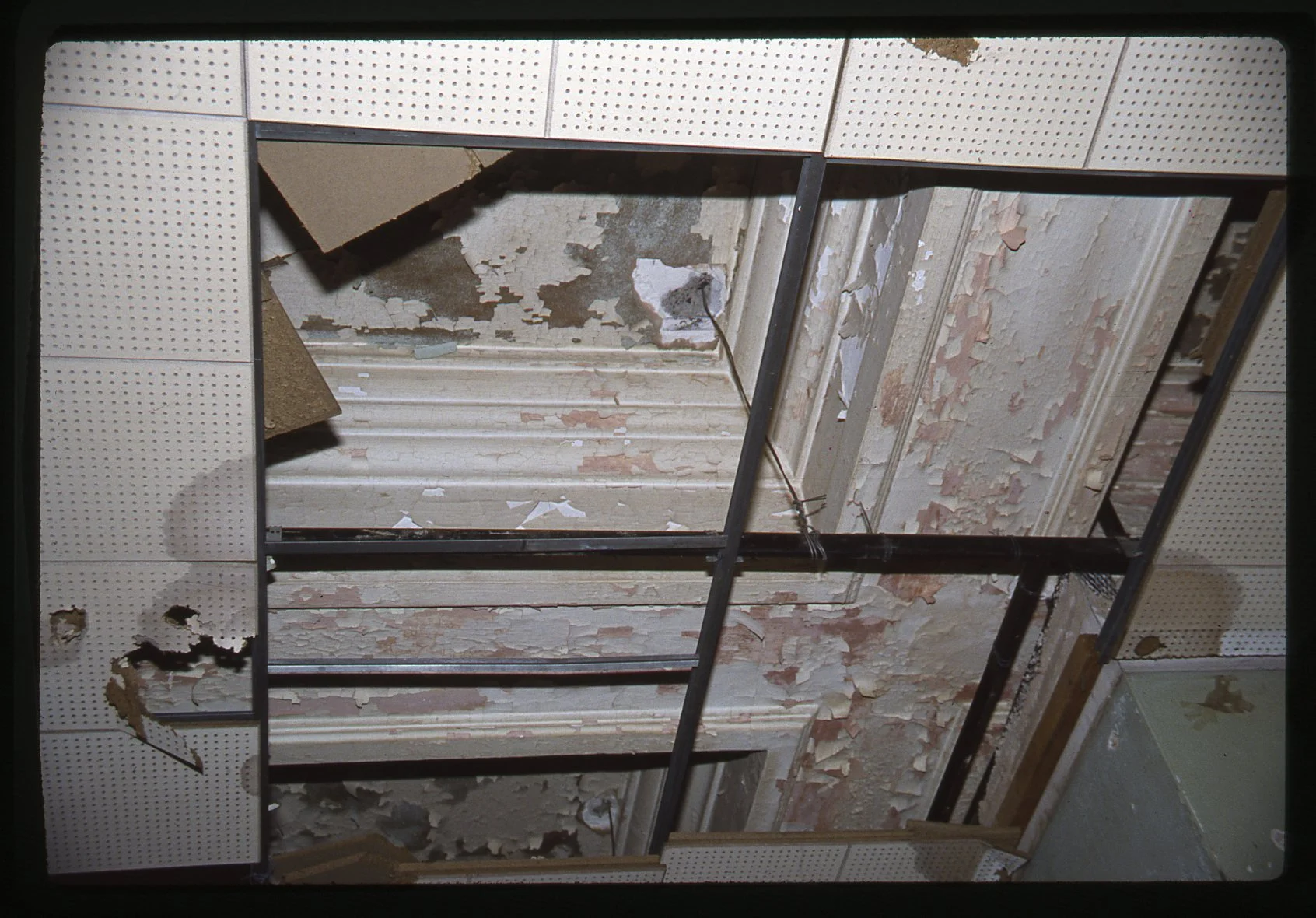
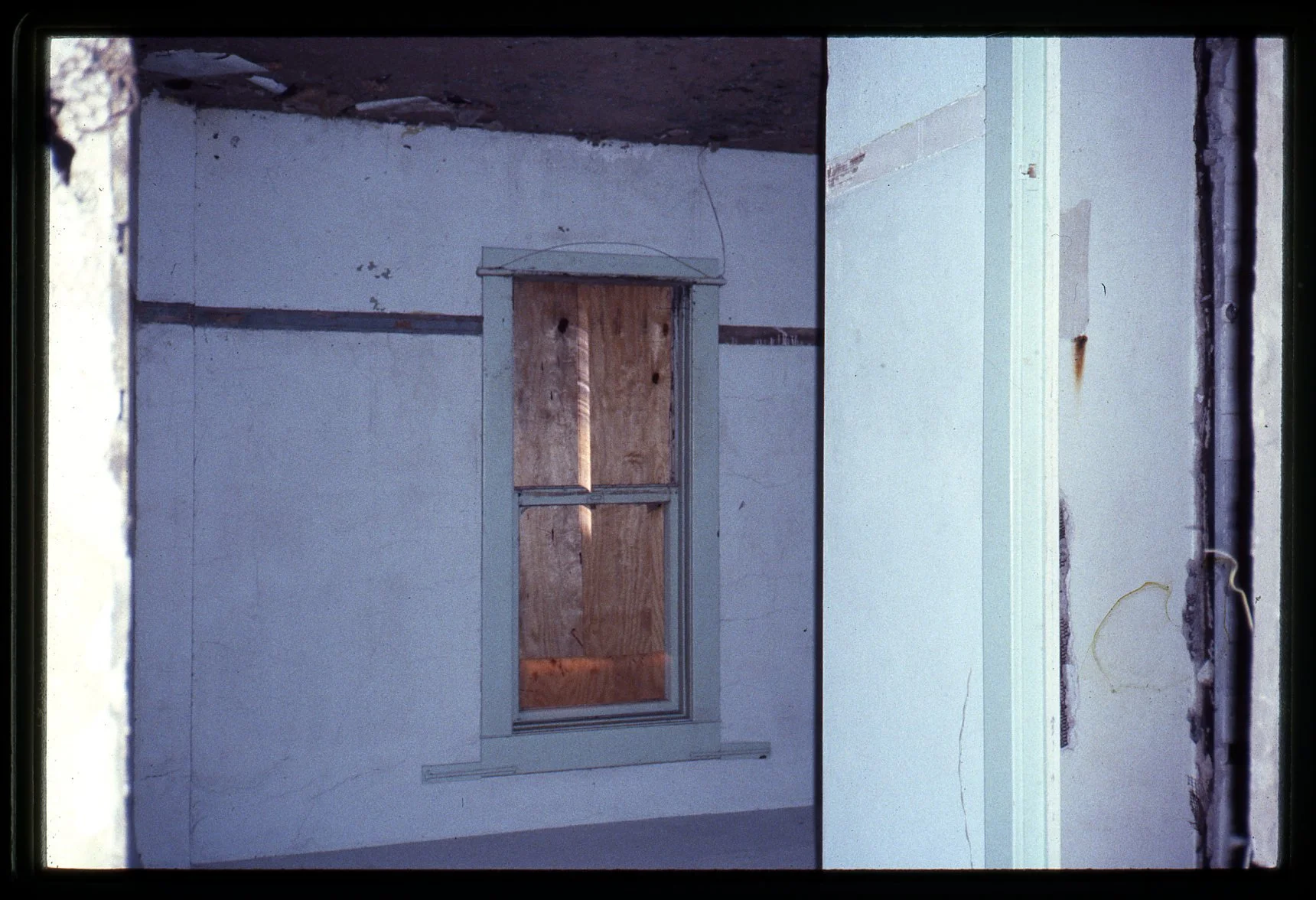
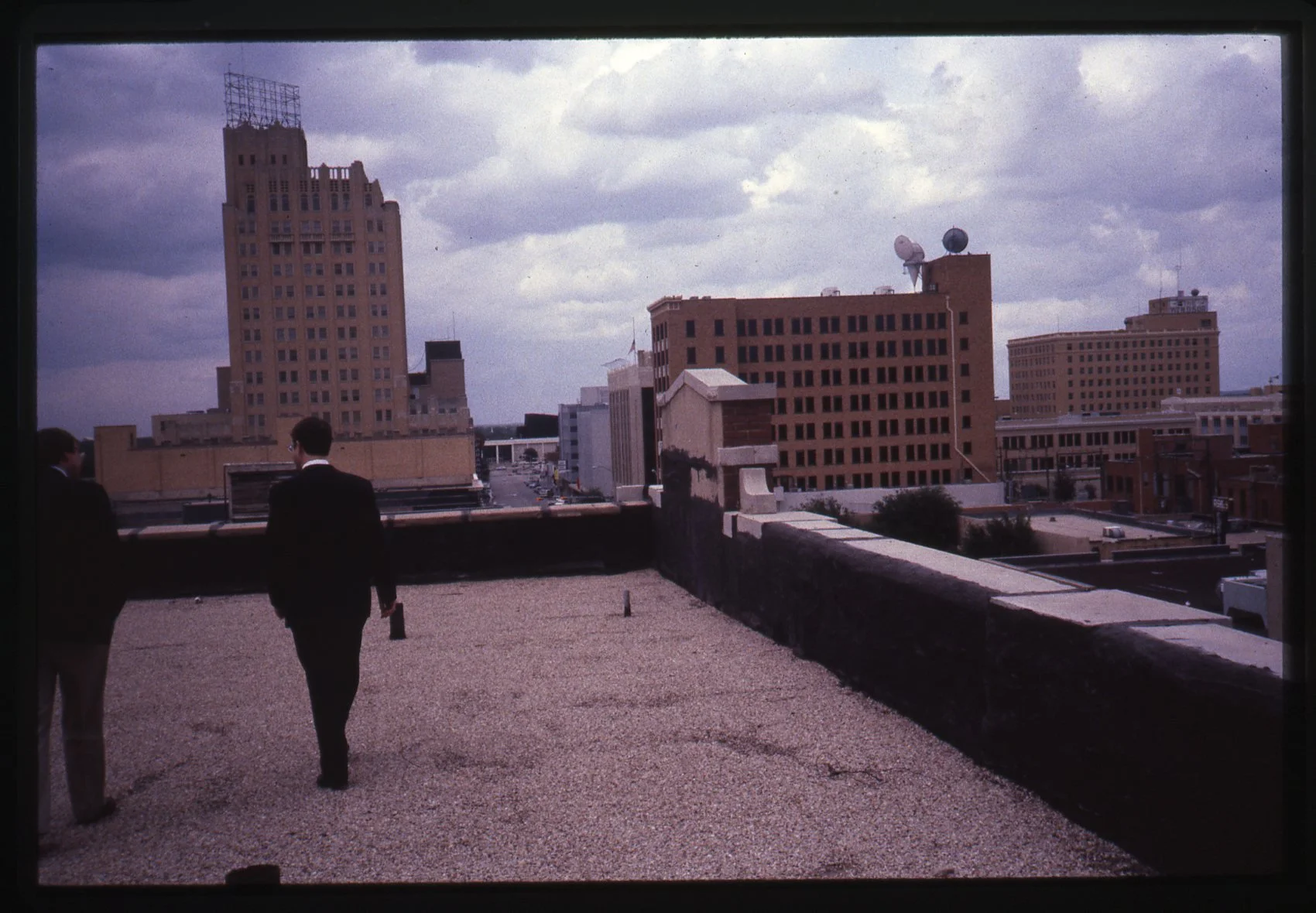
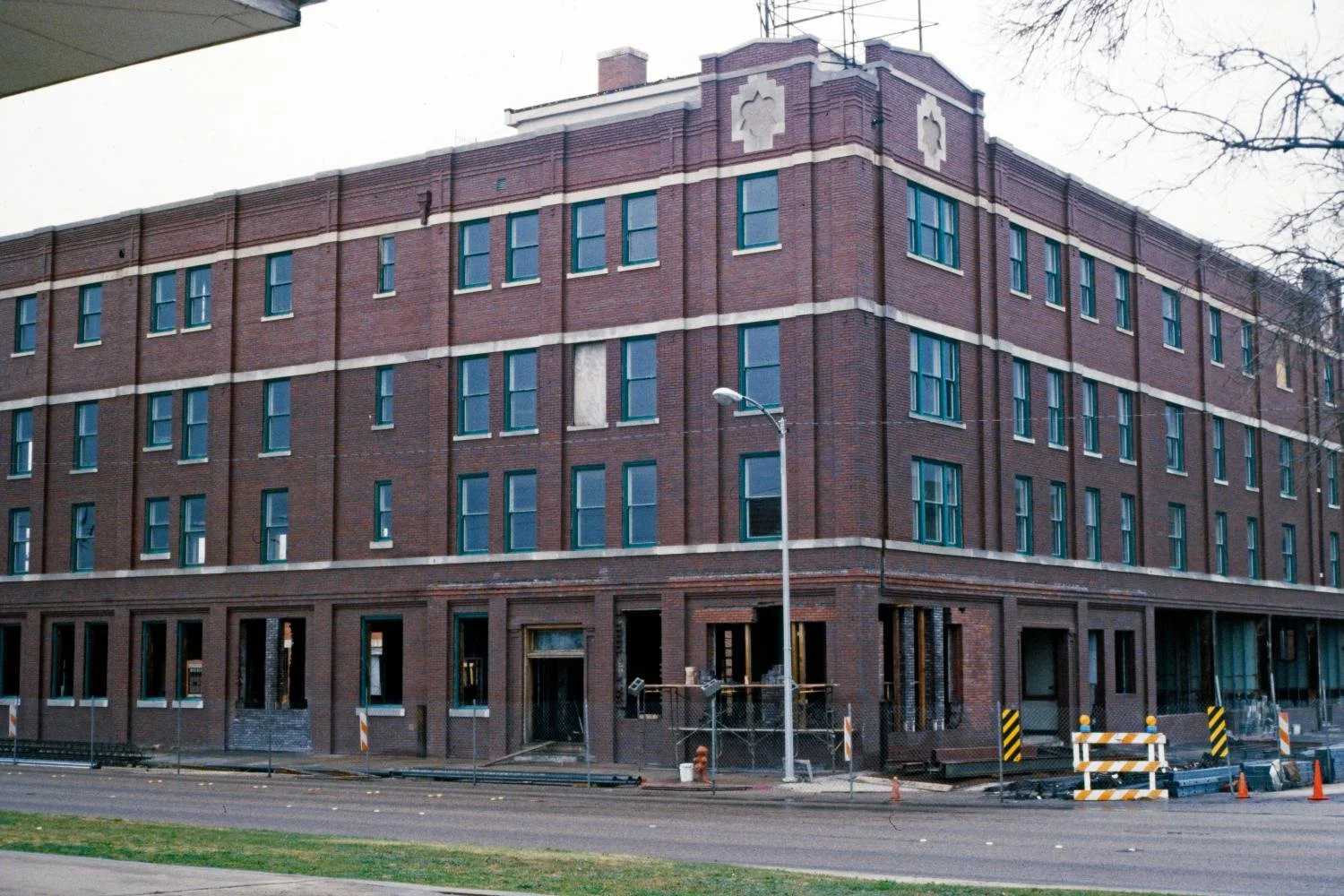
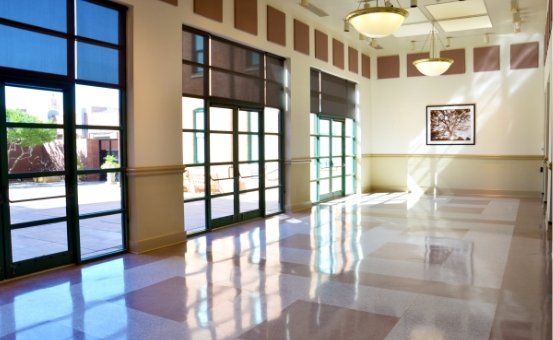
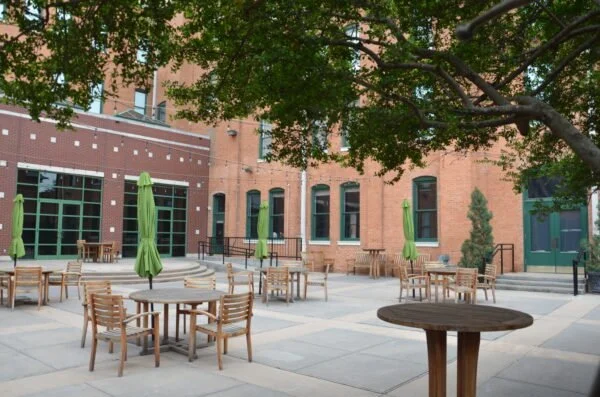
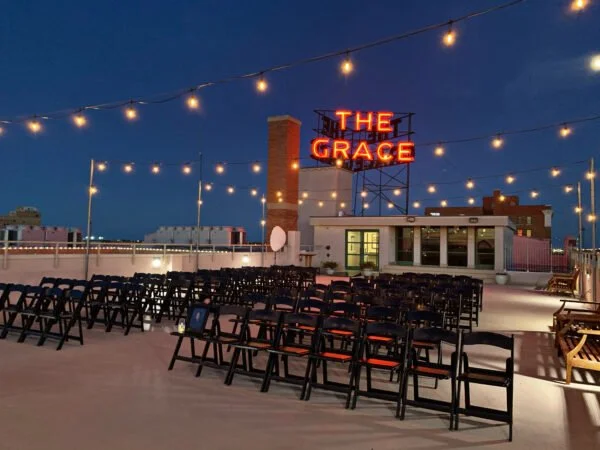
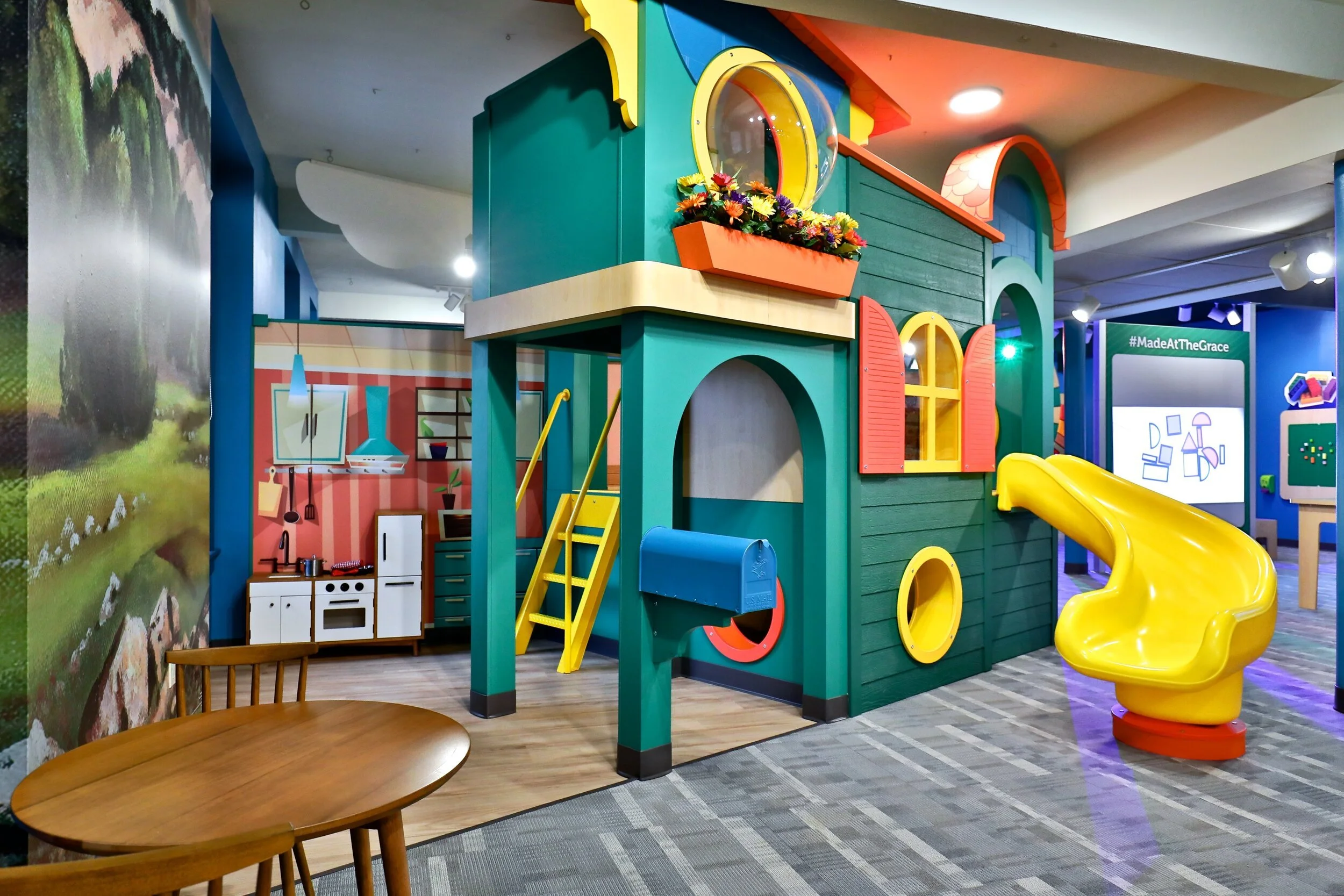
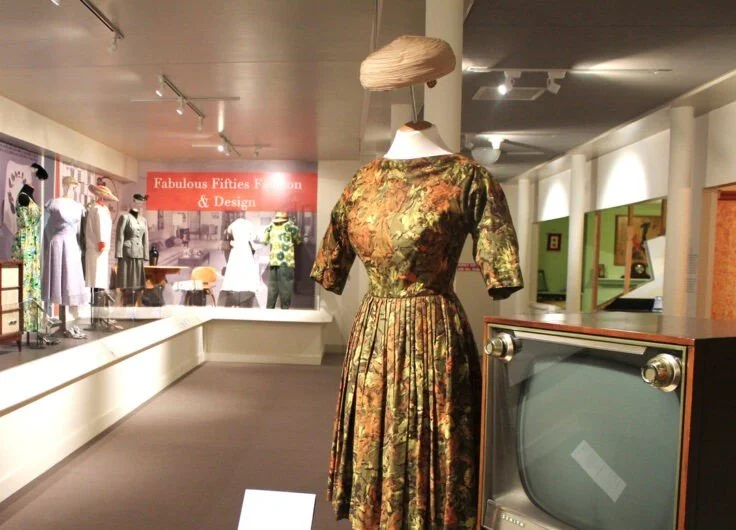
Colonel W.L. Beckham built the Grace Hotel in 1909 and named the property after his daughter, Grace. It opened for business on September 9, 1909 and was considered “finest full-service hotel” along the railroad between Fort Worth and El Paso. It’s location is no mistake – when you visit this site, you will notice it’s right across the street from the T&P train station. Renamed the Drake in 1946, the hotel flourished until the 1960s when passenger train service ceased in Abilene and downtown traffic declined. It officially closed its doors on September 30, 1972 after its boiler failed. By the 80s it was clearly neglected. It quickly was inhabited by nature and vagrants.
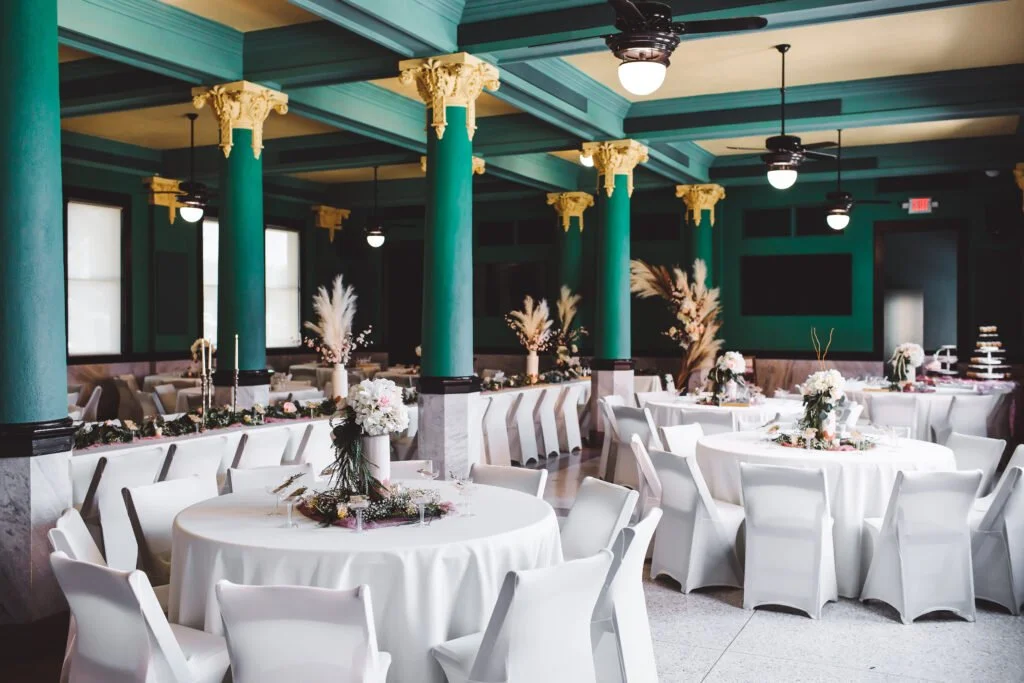
The Abilene Preservation League intervened on discussions of demolition by purchasing the hotel in 1986 and returning the property to its former glory over the next few years. The site reopened as the Grace Cultural Center on February 15, 1992. The official name of the museum changed to The Grace Museum in 1998. This property is now owned and operated by the nonprofit, Grace Museum, Inc.

-
1909: The Grace Hotel officially opens for business on September 9th.
1923: A fourth floor was added using designs made by renowned Abilene architect, David Castle.
1932: Well-known businessman and local grocery store owner, J. M. Radford, purchases and takes ownership of the Grace Hotel.
1946: The Grace Hotel is renamed “Drake Hotel” and undergoes a $200,000 modernization renovation to the rooms.
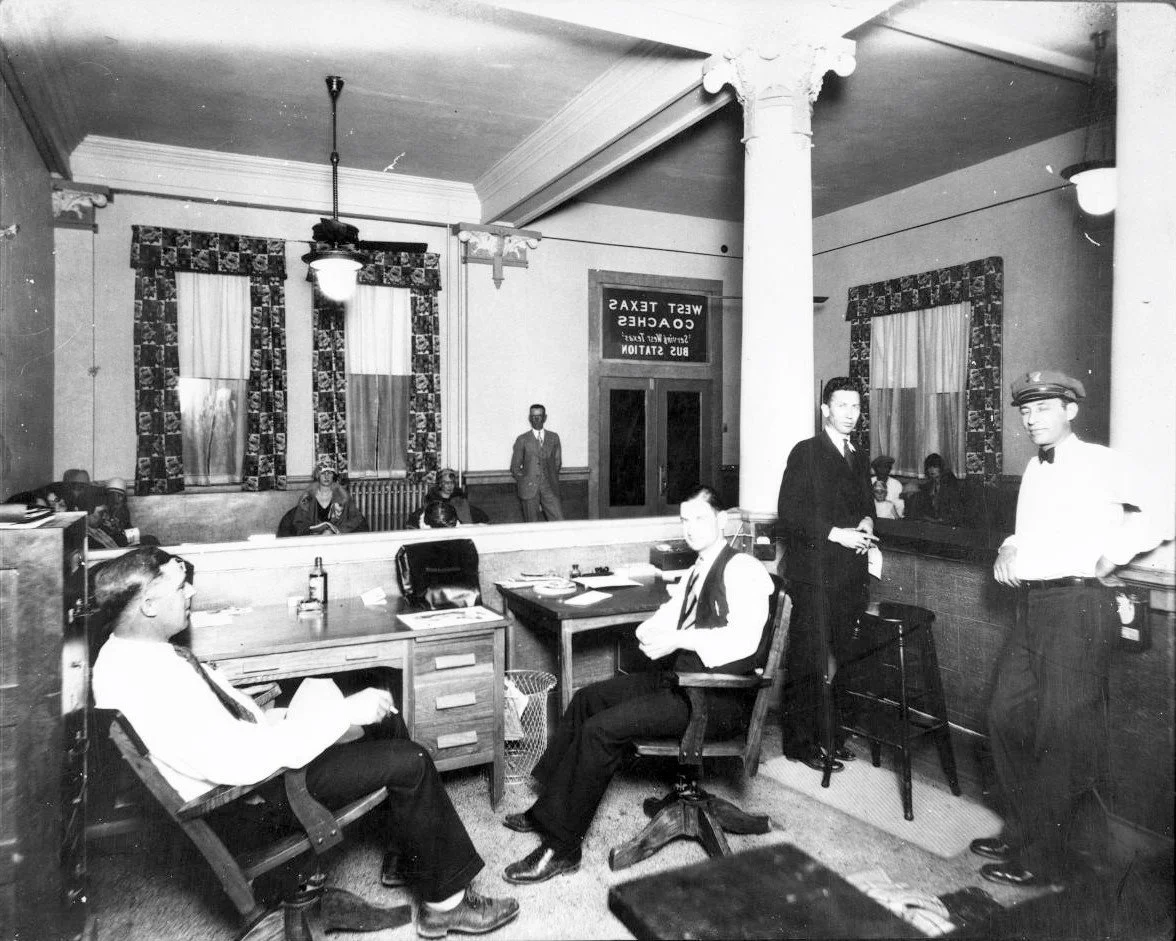
1972: The Drake Hotel officially closes its doors on September 30. Overtime the hotel had seen many commercial tenants including a barbershop, a recreation club, a bus station, the Western Union offices and most notably, the Grace Coffee Shop.
1977: An investment group named Ark-La-Tex begins renovations to doors, windows, paartitions and restrooms.
1984: Building is condemned by The City of Abilene due to community safety hazards.
1985: Discussions of demolition begin.
1986: The Abilene Preservation League steps up to purchase half a block of downtown Abilene, including the former Grace Hotel, for $400,000.
1986 - 1990: The APL partners with Museums of Abilene to form a taskforce committee compiled with the Fine Arts Museum and the Junior League of Abilene.
APL commissions Rick Weatherl to do an architectural investigation and buildout architectural plans alongside a project estimate. Rick Weatherl partners with preservation architect, Killis Almond who had been working on the Paramount Theater.
The APL begins their capital campaign for the next four years to raise a goal of $4,800,000 to cover construction costs and a $1,000,000 endowment for the museum when completed. Various campaign projects include an 80th birthday celebration, “Amazing Grace” t-shirts and grant/donation raising.
1990: A gala is held on October 1st at the Grace Hotel to celebrate the groundbreaking. Renovations were contracted out to H&G Construction and were expected to last 12 months. During this celebration, APL transferred ownership of the building to the Museums of Abilene.
1992: The Grace Cultural Center officially held celebrations on the weekend of February 14th, holding a gala for 600 guests followed by opening its doors to the public on the 15th. The gala raised $30,000 while the ribbon cutting was attended by 1600 guests.
The first three months exceeded goals and expectations by hosting over 22,500 visitors. through museum admissions and publicly organized tours.
Compton Building
Credit: Cypress Street Station
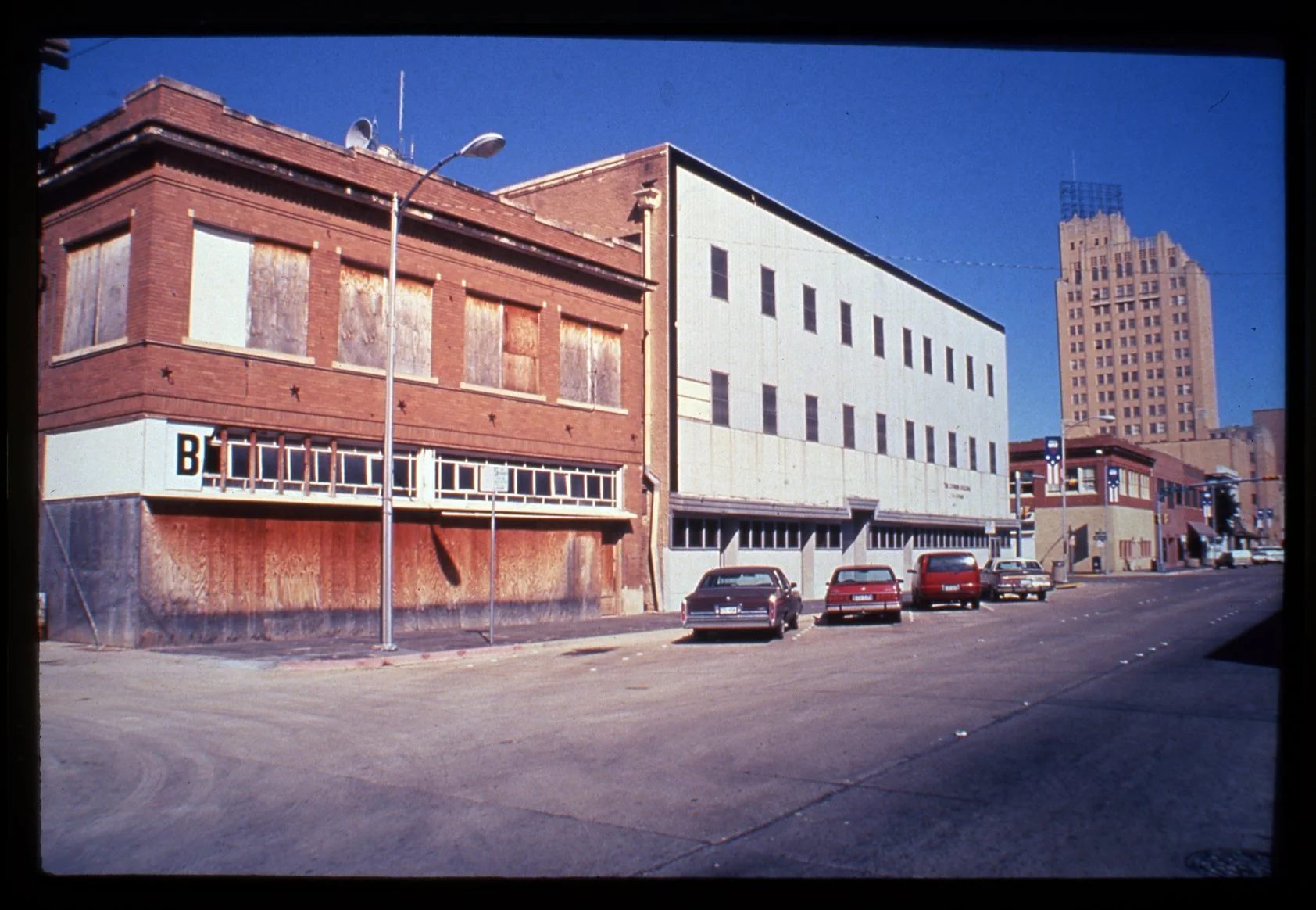
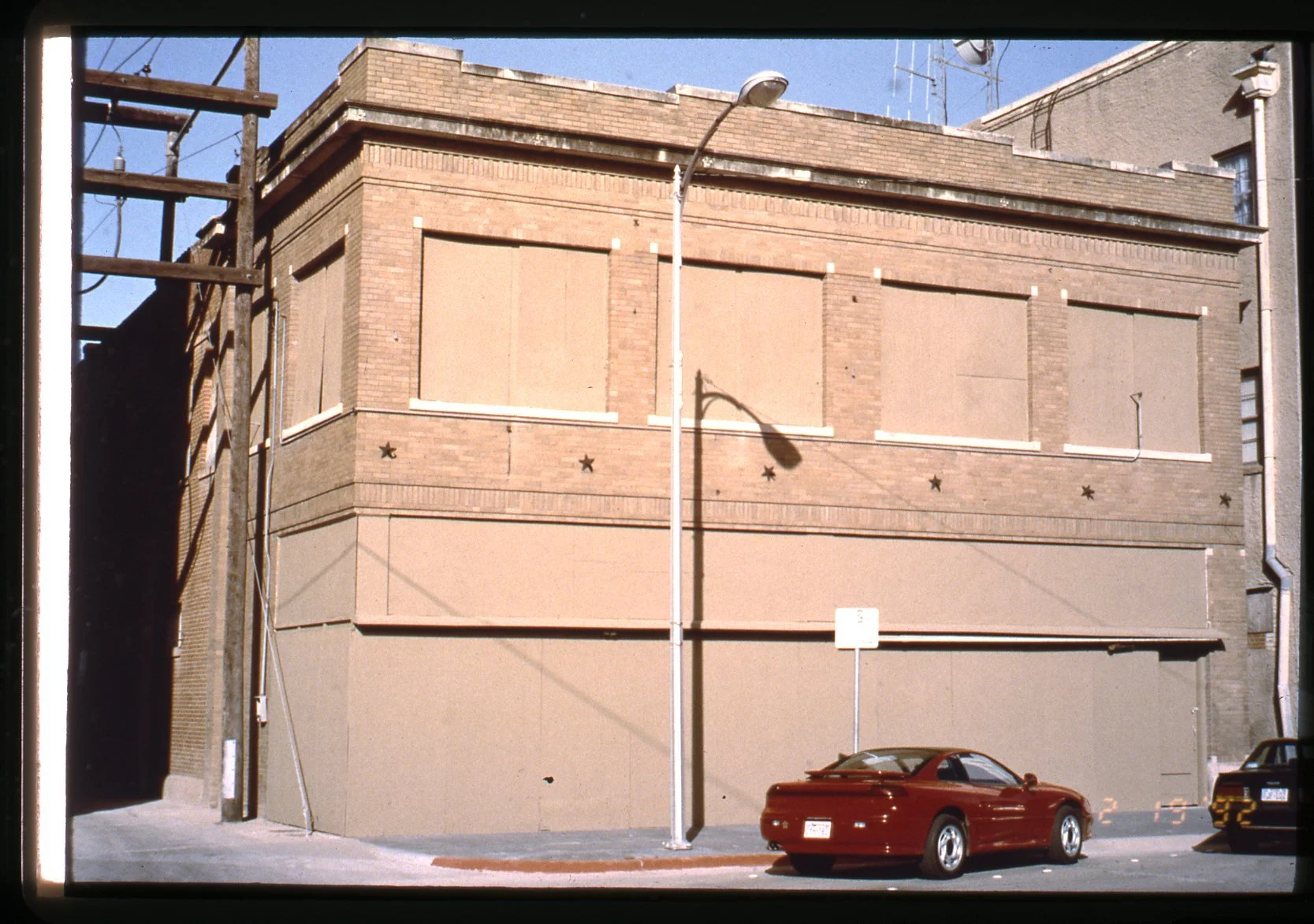
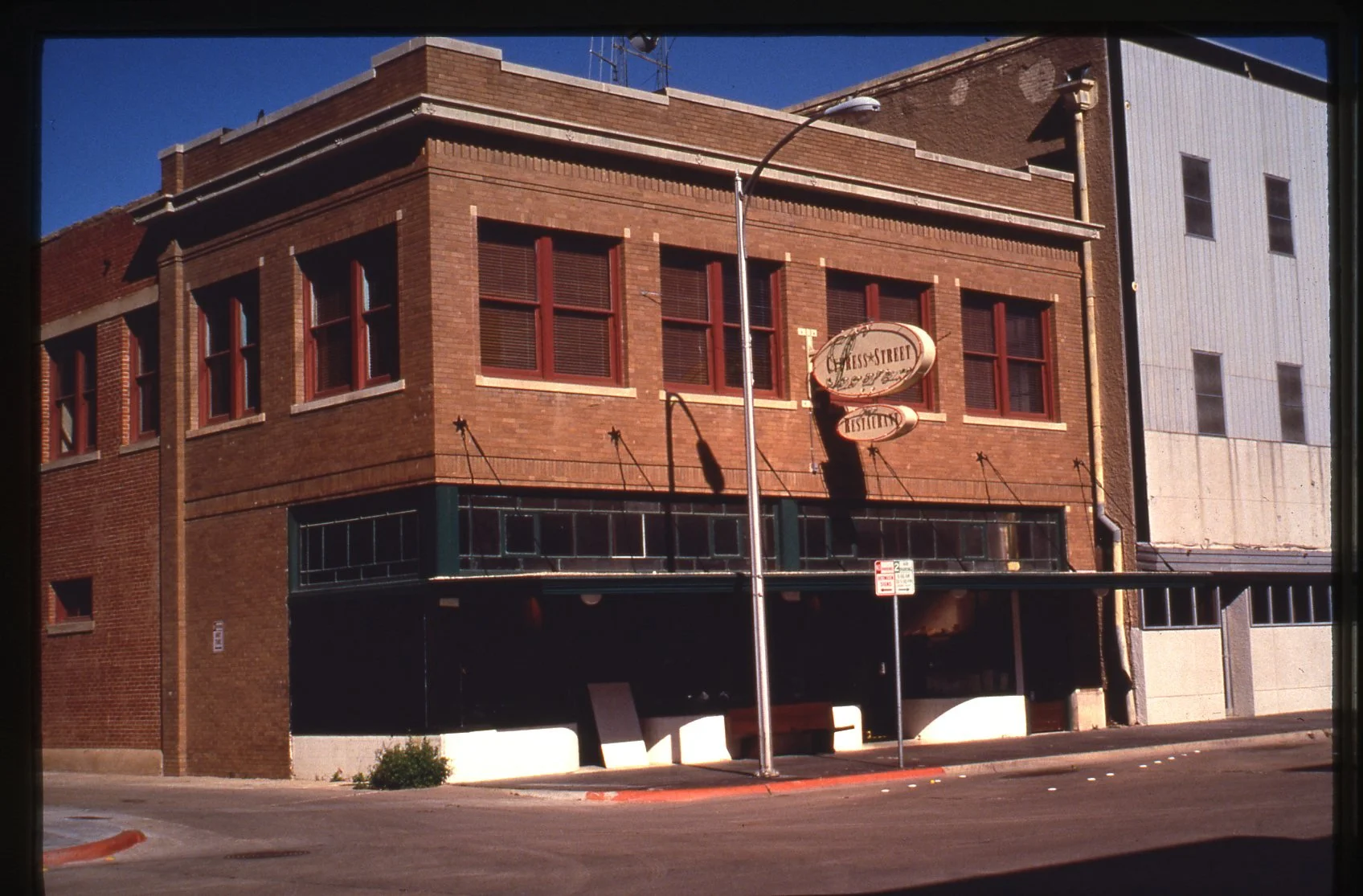
158 Cypress Street
Built: 1923
Style: Late Victorian, 19th Century Commercial
Occupant: Cypress Street Station
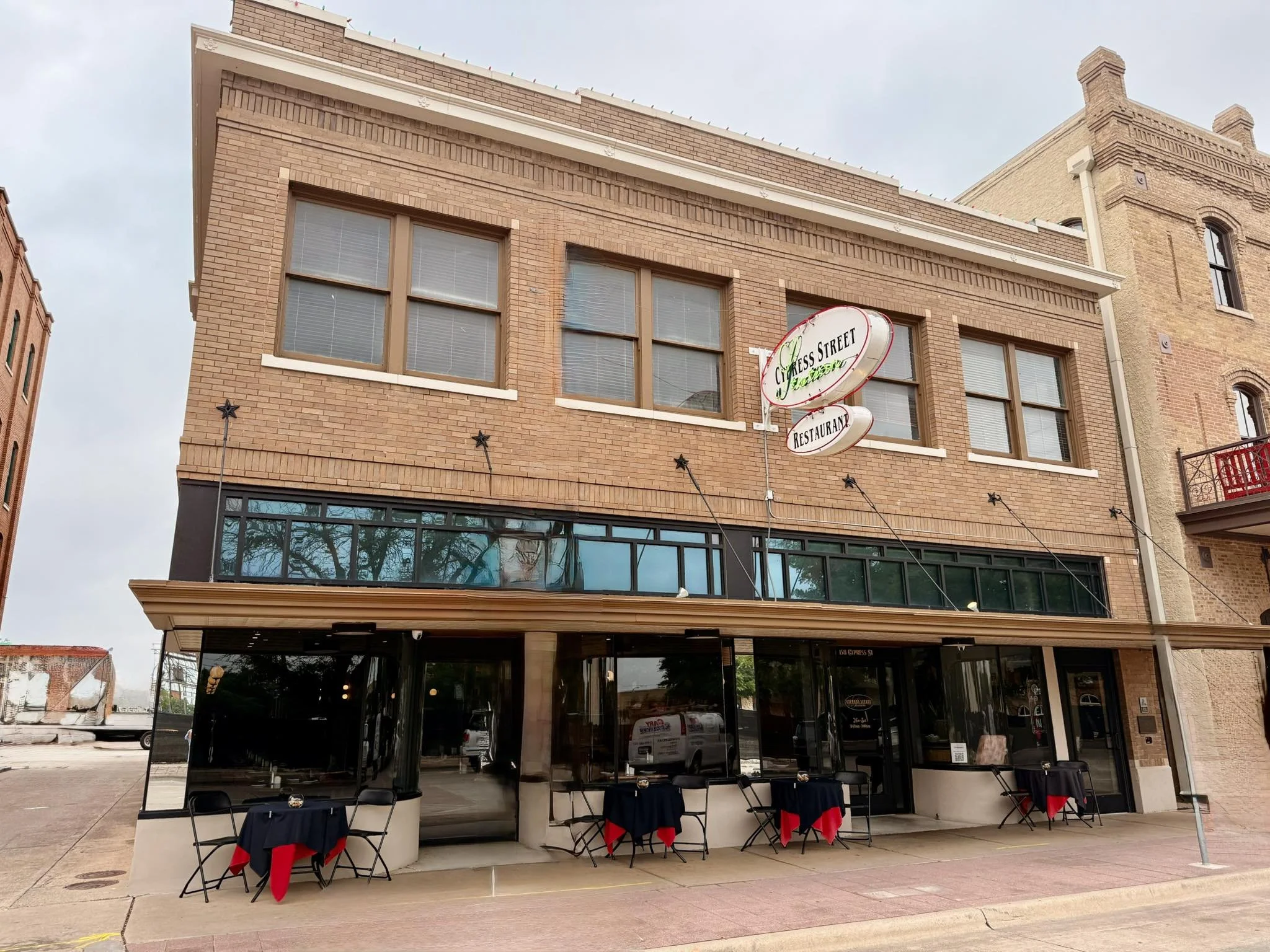
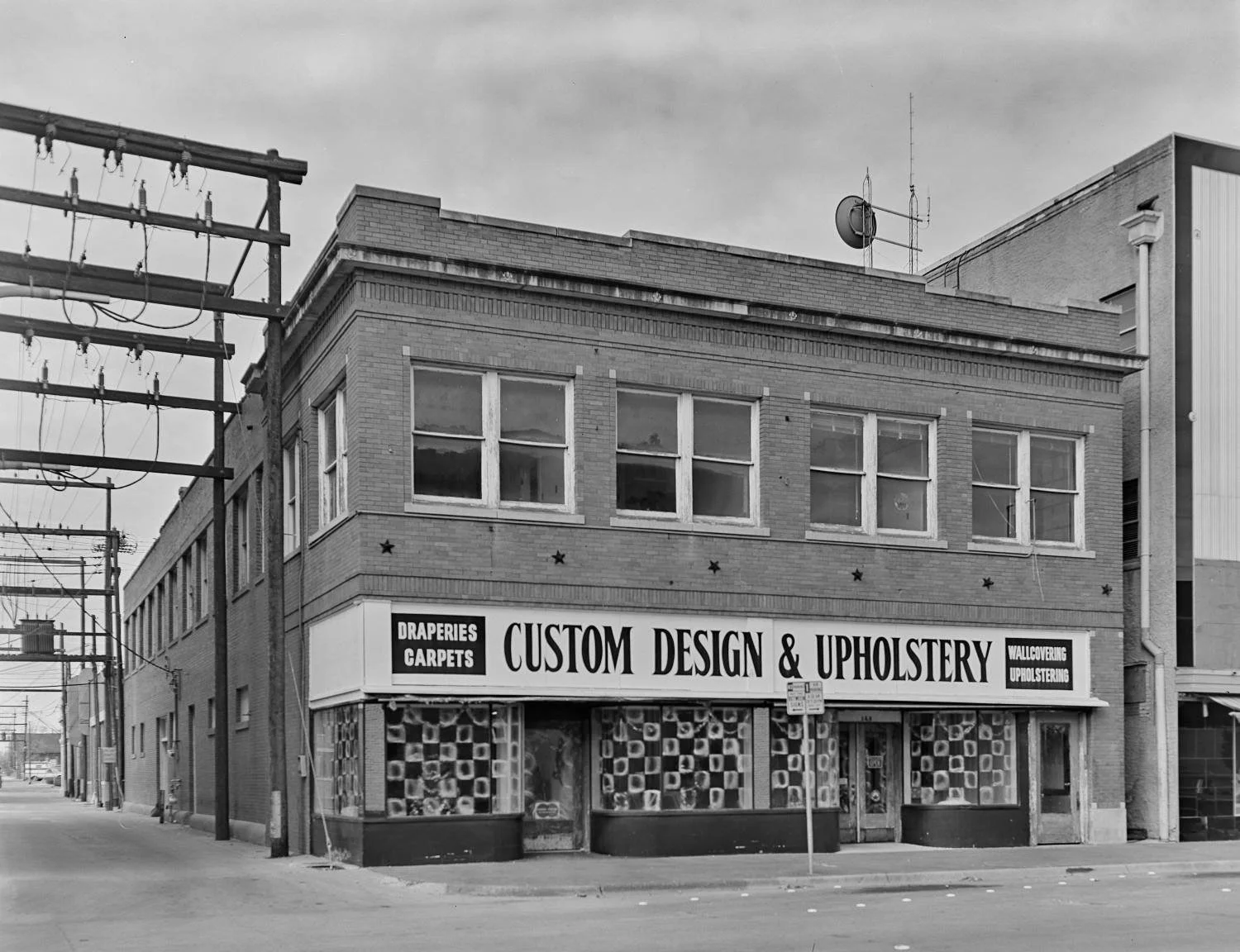
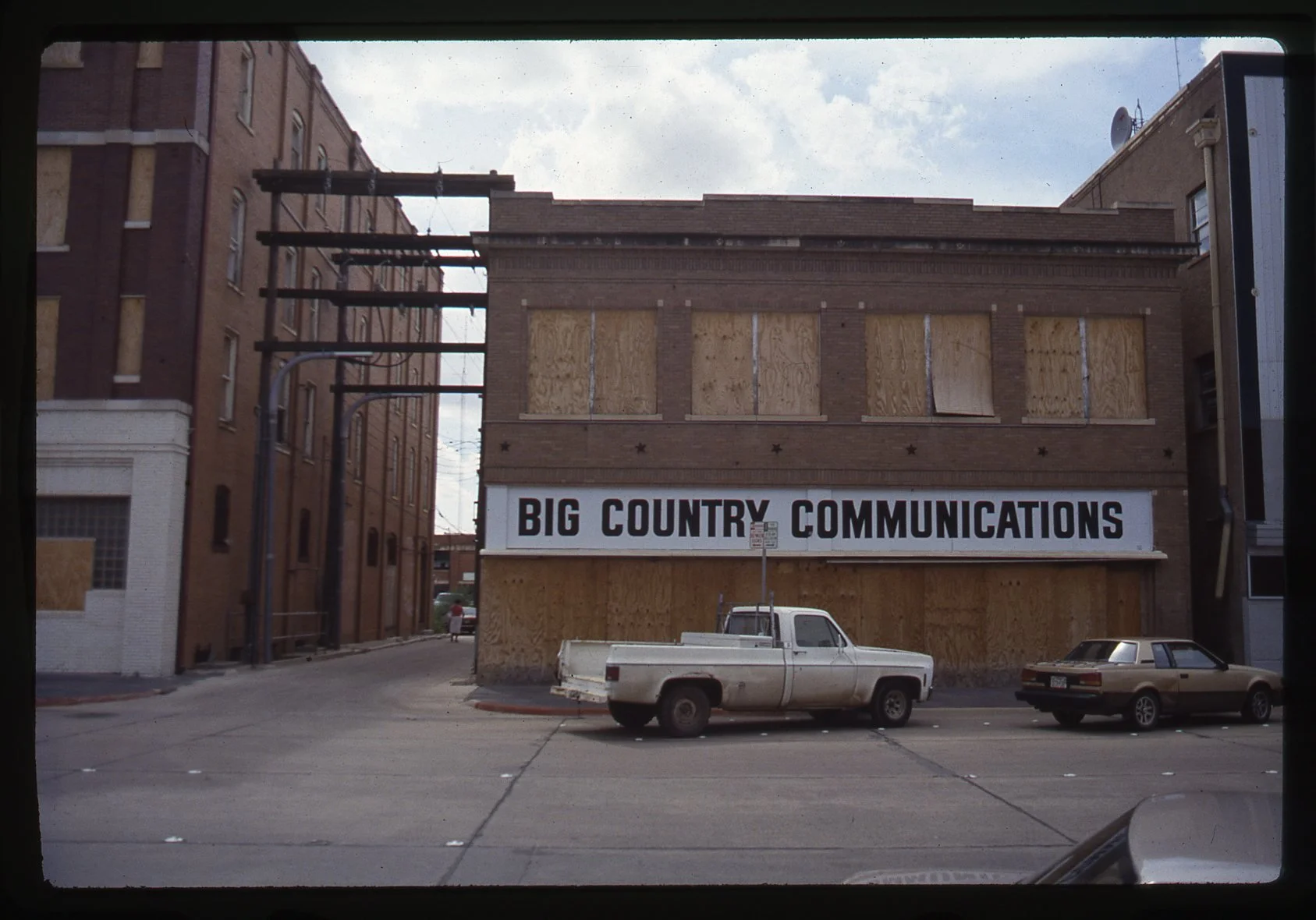
Built in 1923, the Compton Building housed a drug store and cleaners for many years. The second floor was used for medical offices. Although the building doesn’t have significant history on its own, it is one of Abilene’s original downtown buildings and contributes to its historic district.
The Abilene Preservation League rehabilitated the property in 1993 and it has since been home to Cypress Street Station.
-
History Coming Soon!
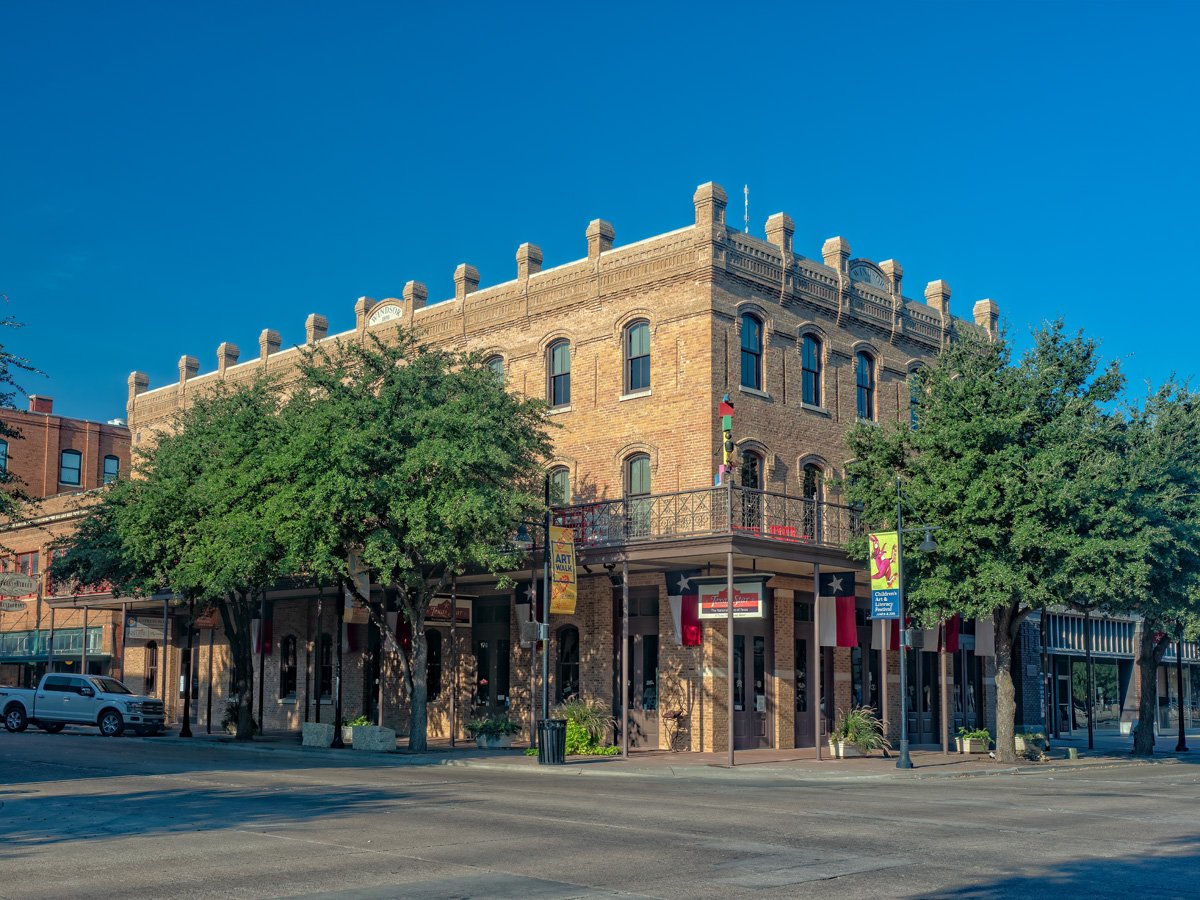
Cypress Building
Credit: Steve Butman Photography
174 Cypress Street
Built: 1890
Style: Exotic Revival, Gothic/Neo-Gothic
Occupants: Development Corporation of Abilene | Texas Star Trading Co.
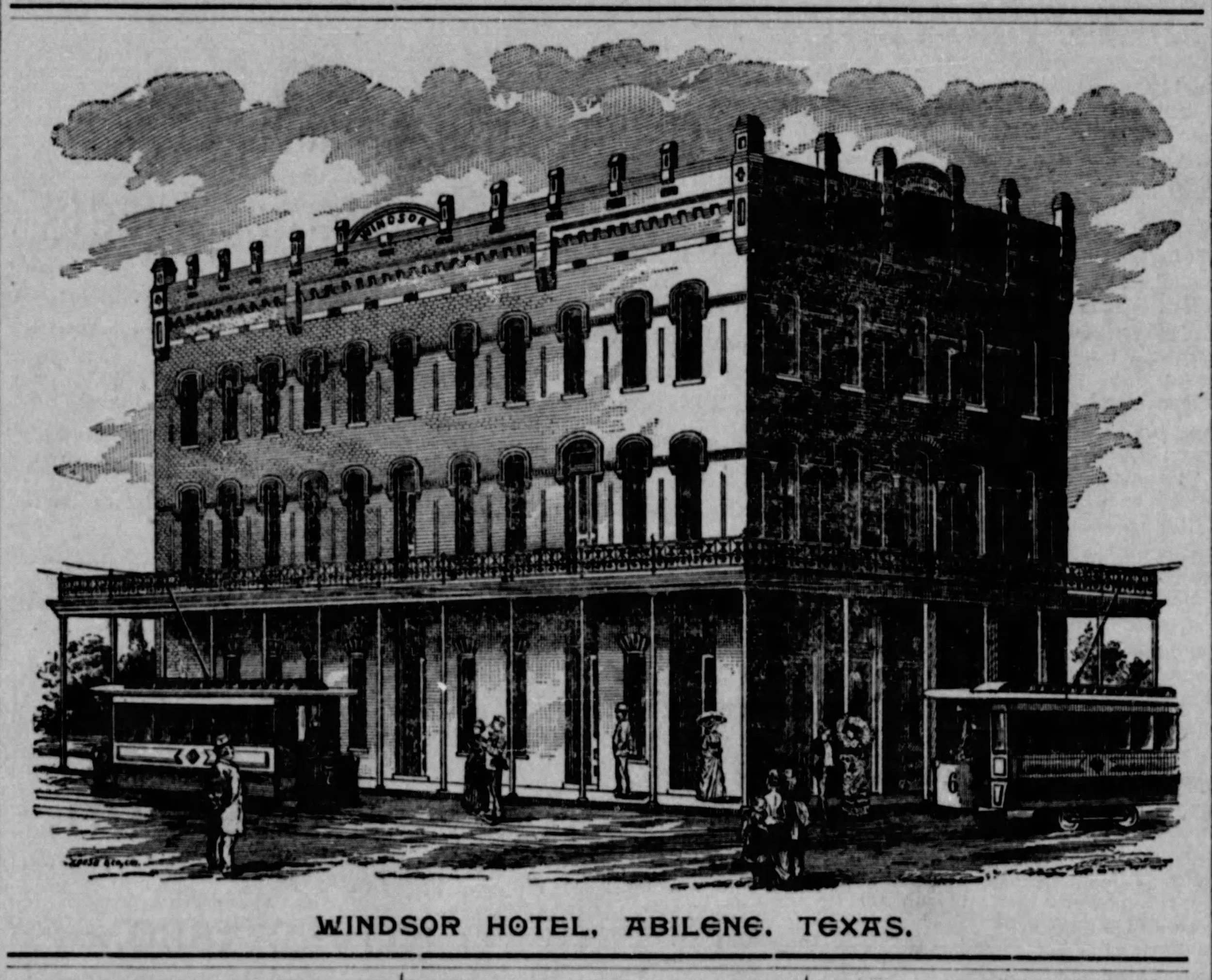
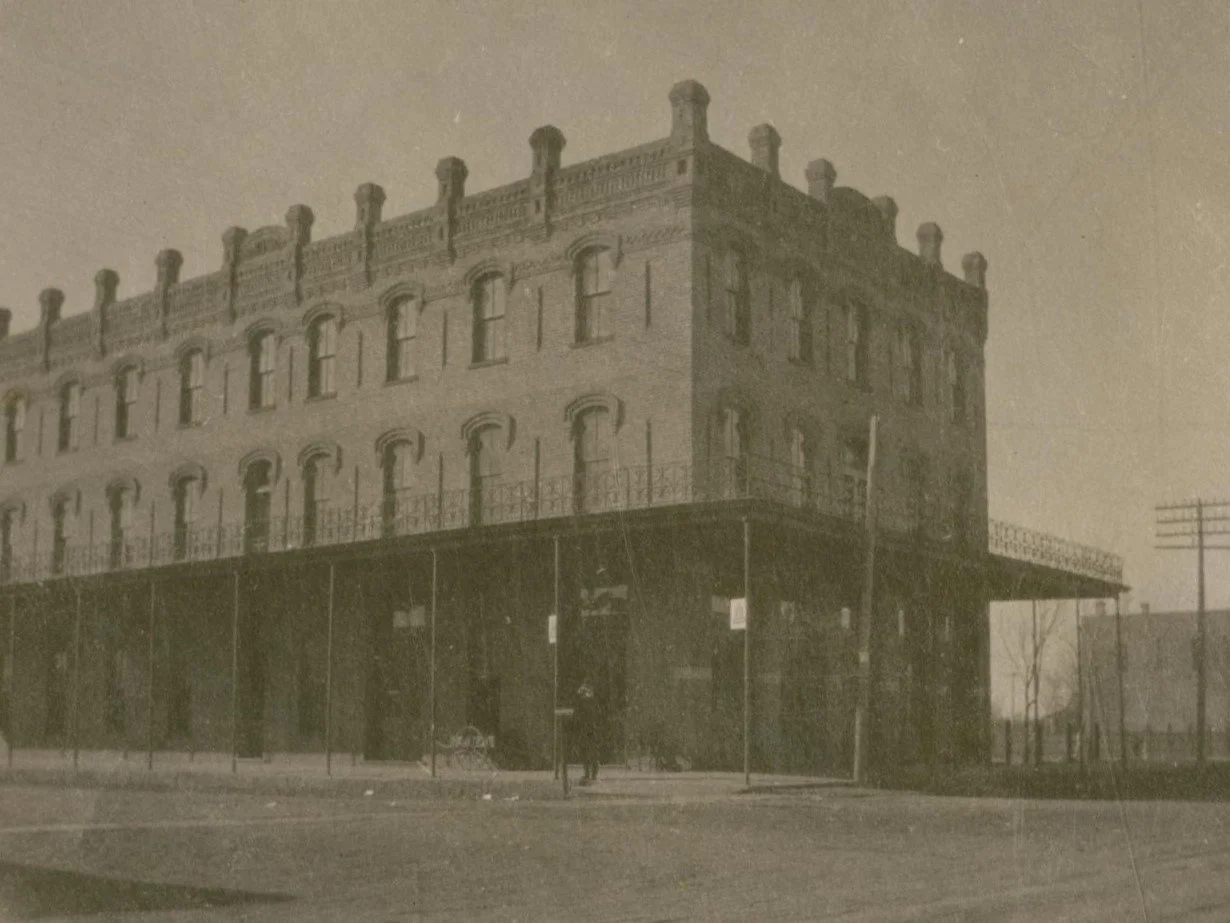
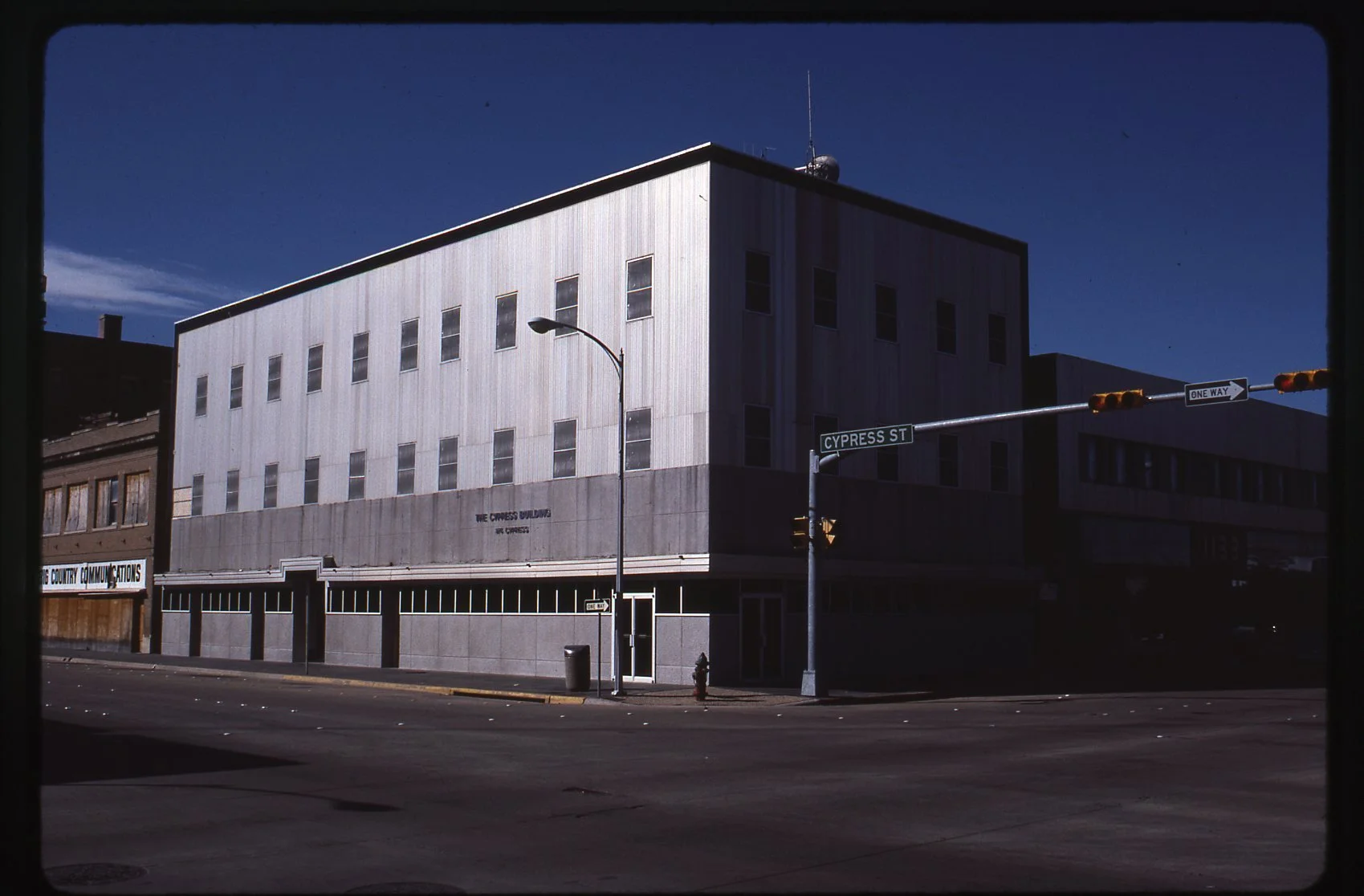
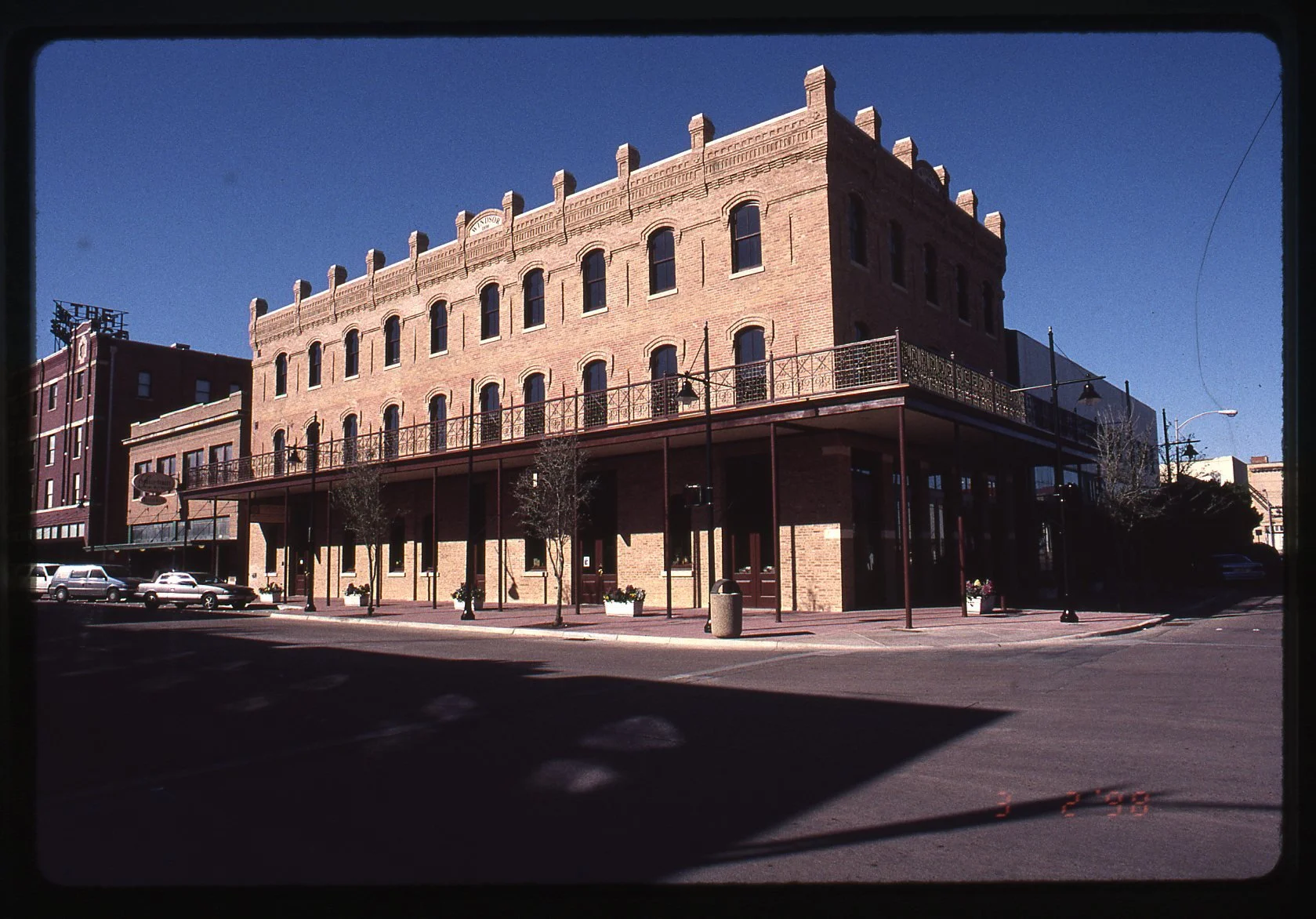
The Cypress Building was constructed in 1890 as Abilene’s original Windsor Hotel. During the 80s, the structure underwent an extensive remodel that hid all of its original architecture with a “boxed” metal facade. In 1998, the Abilene Preservation League restored the structure to its earlier beauty.
This is Abilene’s oldest standing commercial building. It currently houses Development Corporation of Abilene, Abilene Chamber of Commerce and Texas Star Trading Co.
-
History Coming Soon!
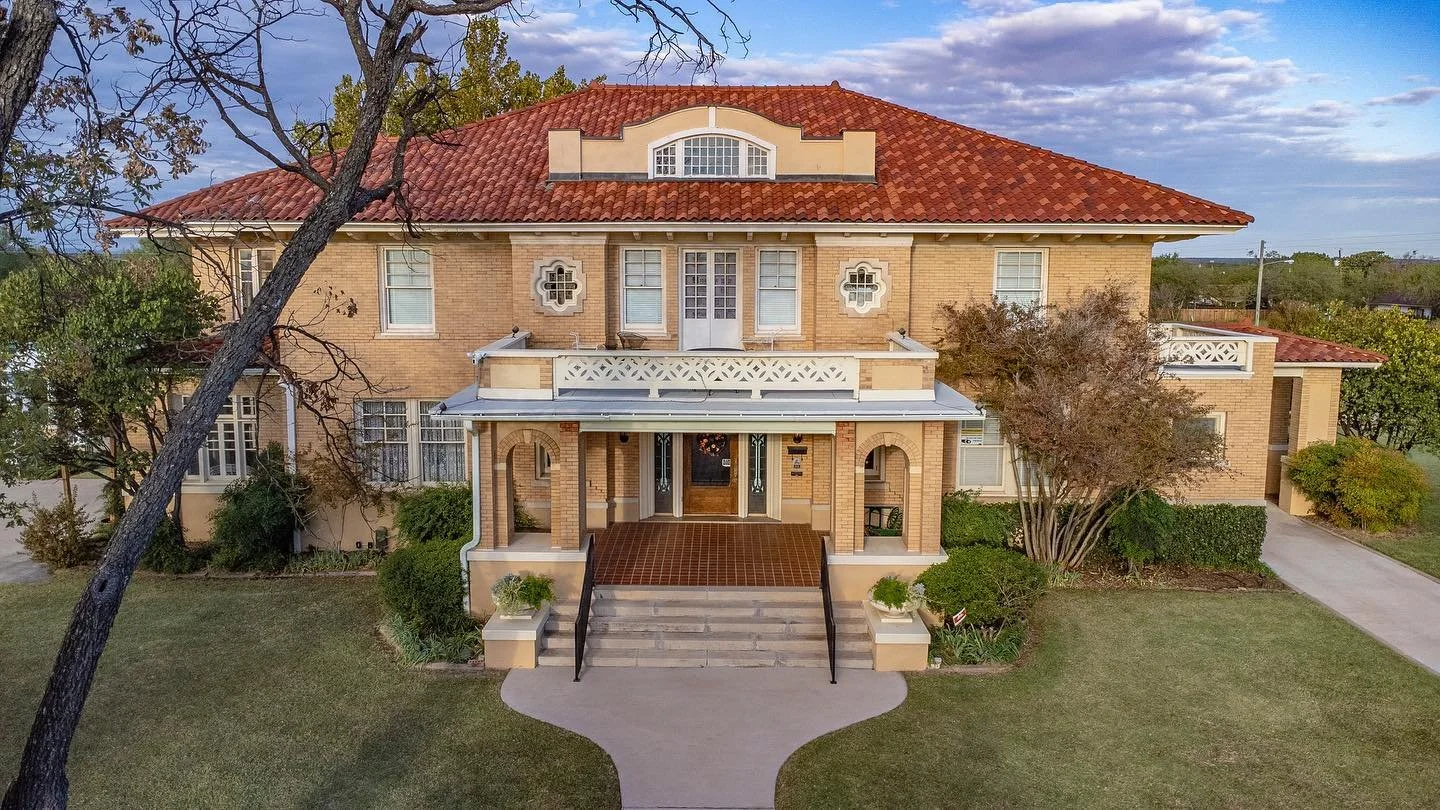
Swenson House
Credit: Swenson House Historical Society
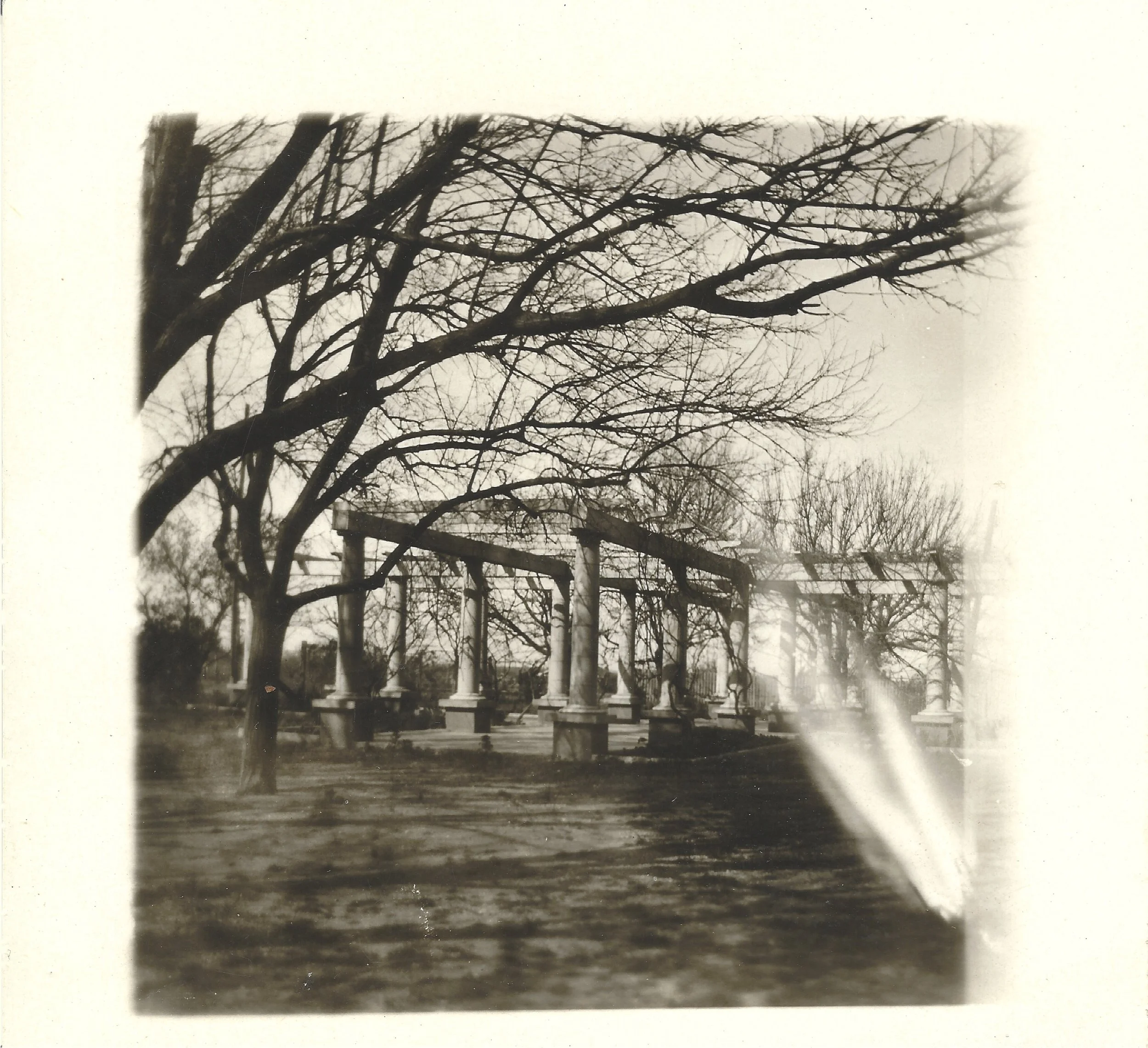
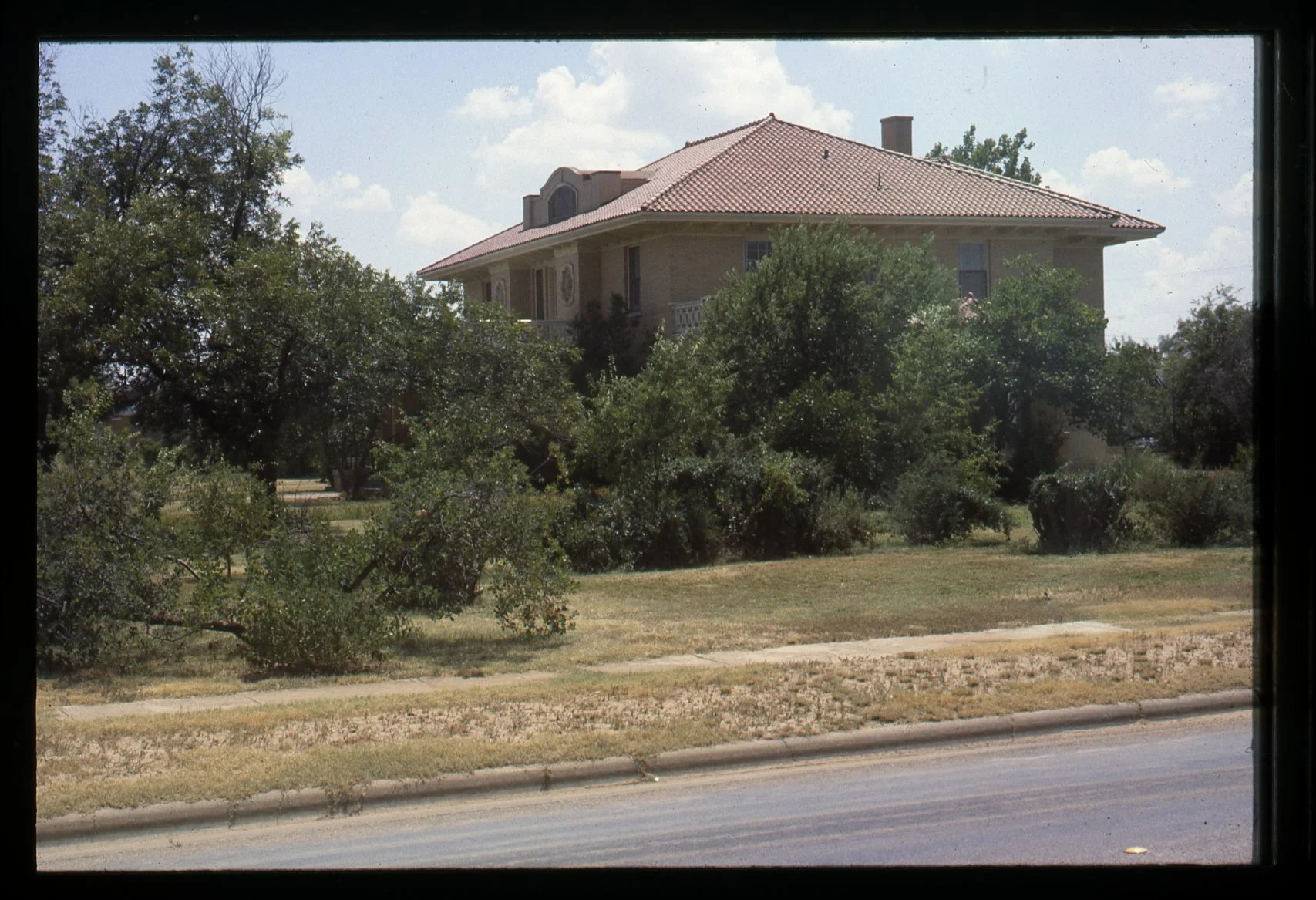
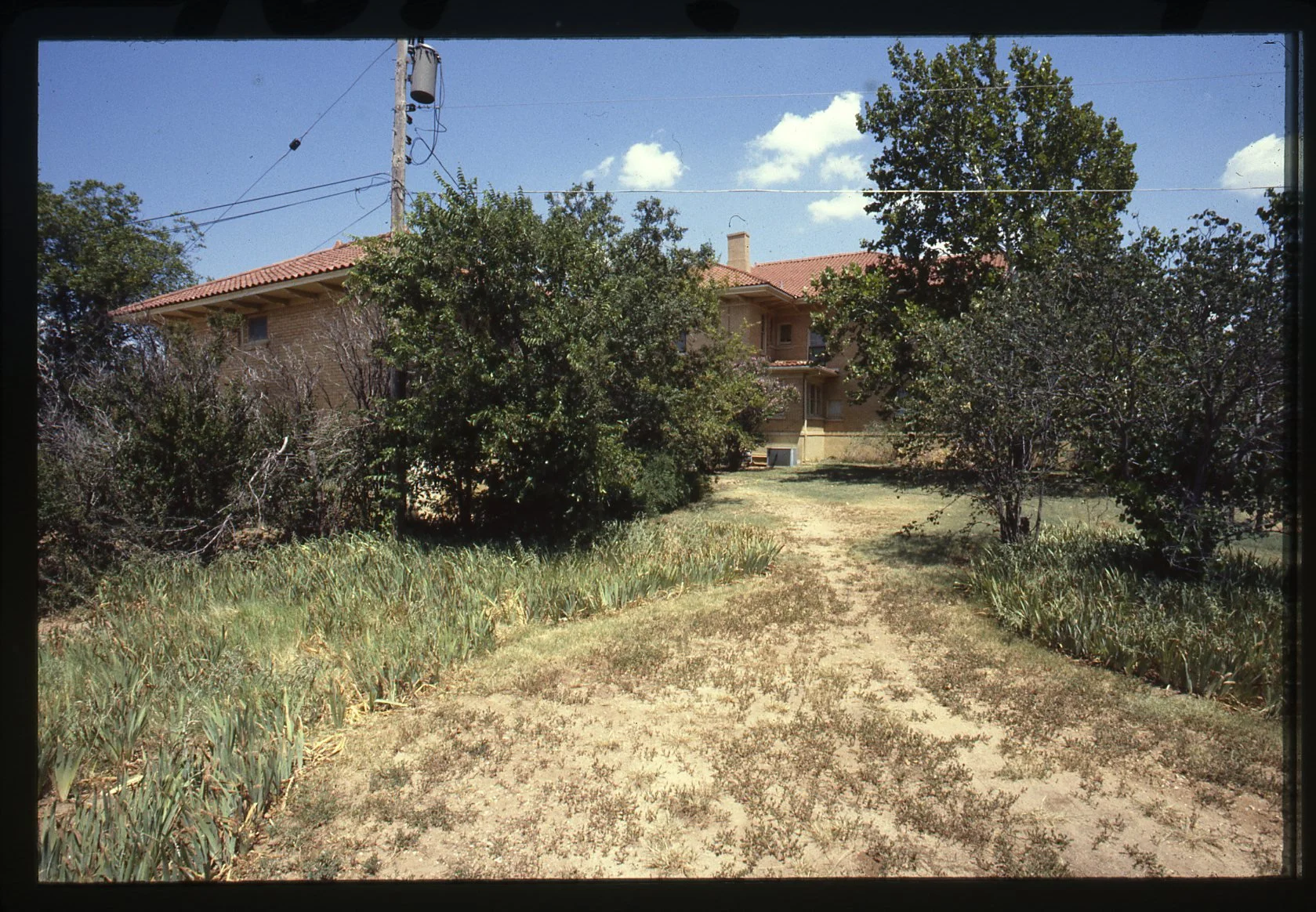
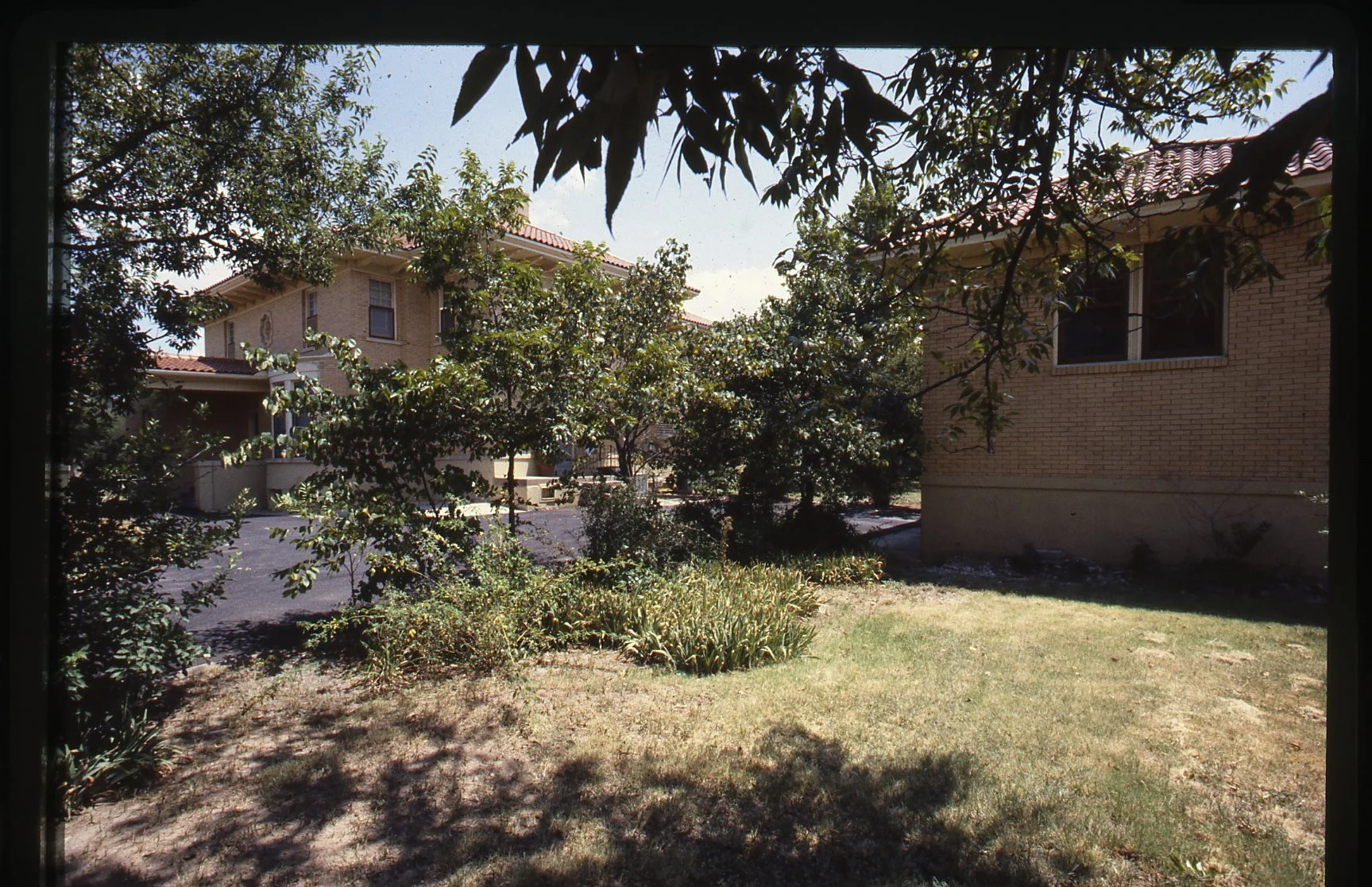
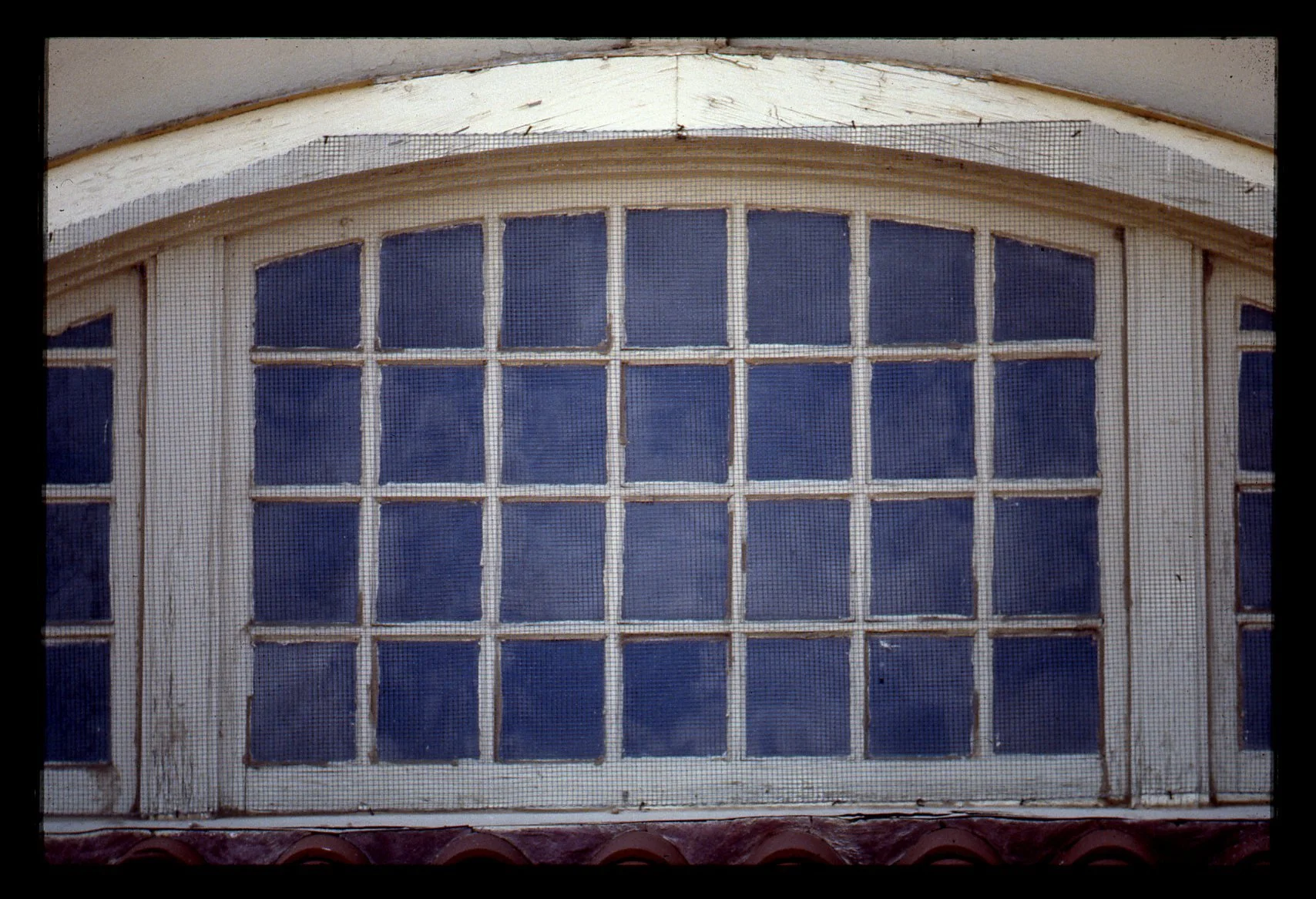
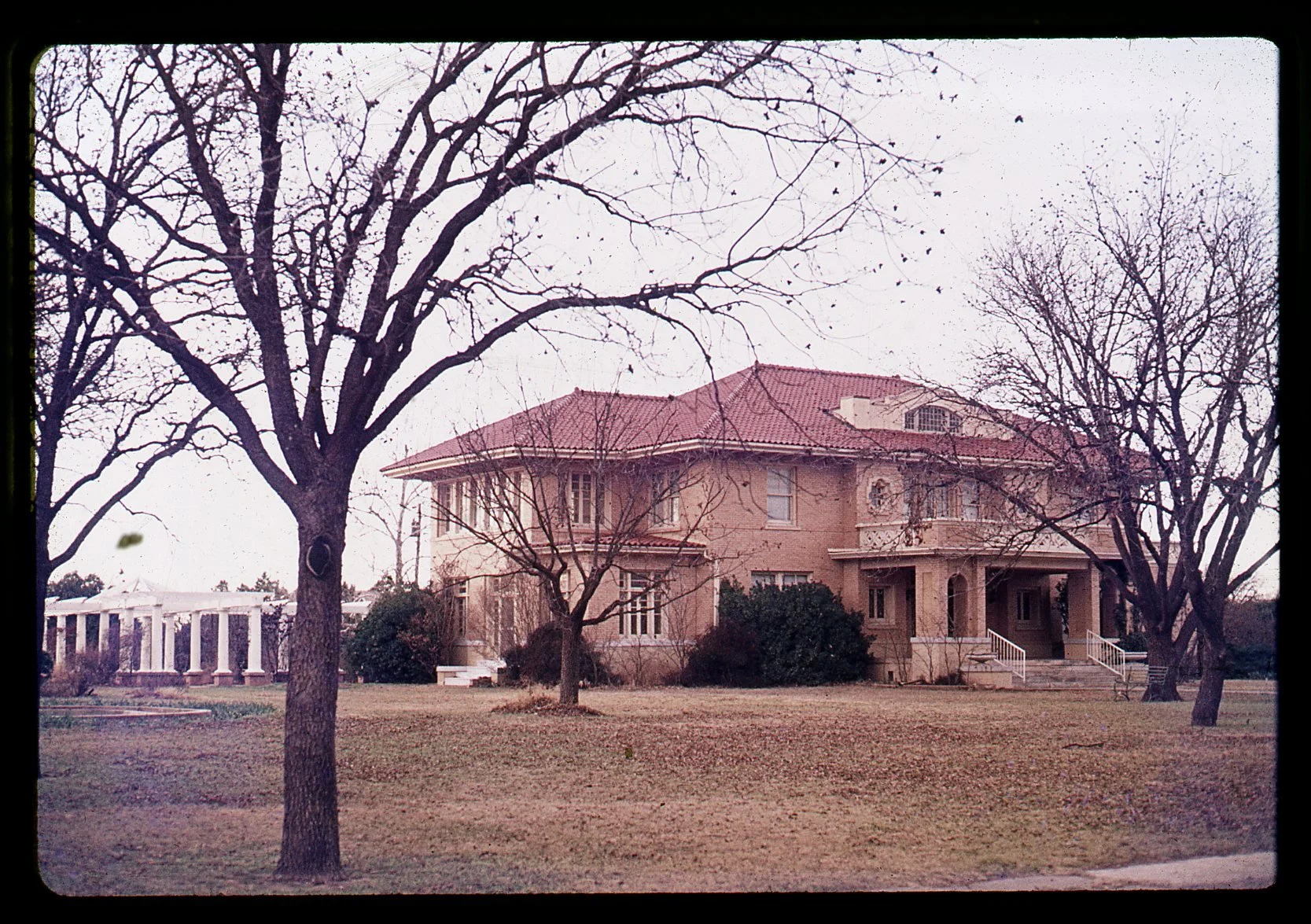
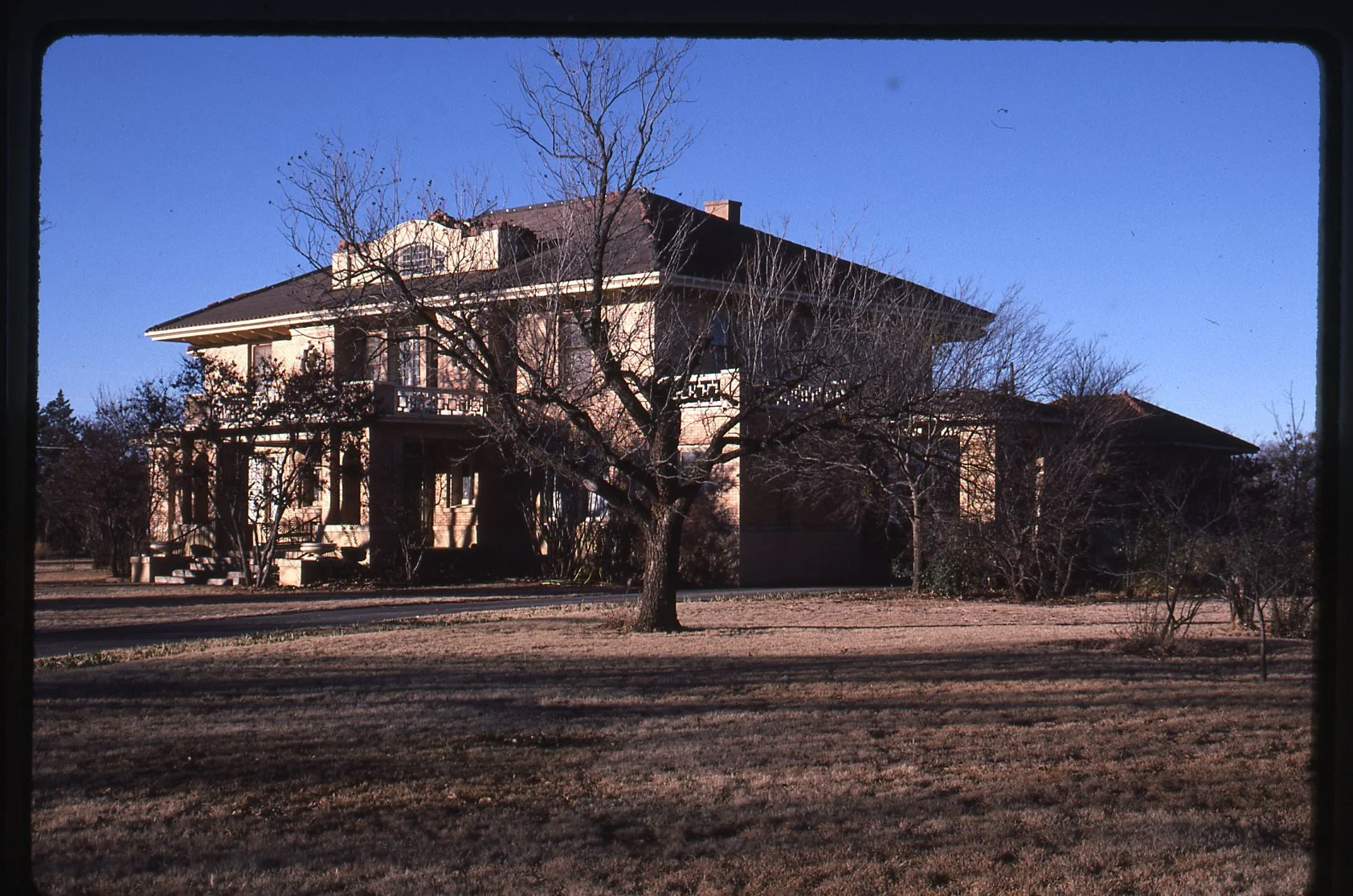
1726 Swenson Street
Built: 1908
Style: Mission/Spanish Revival, Eclectic
Occupant: Swenson House Historical Society
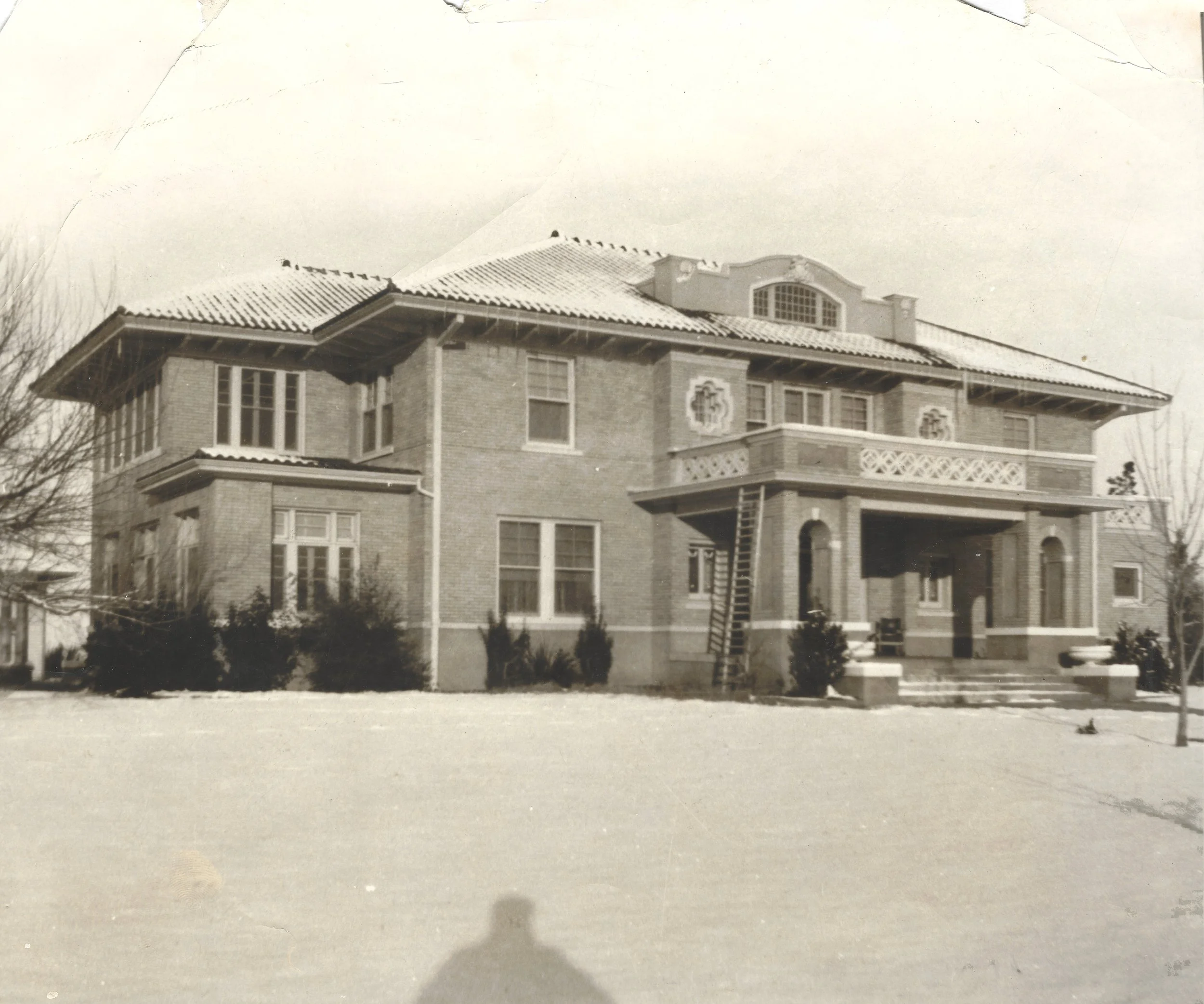
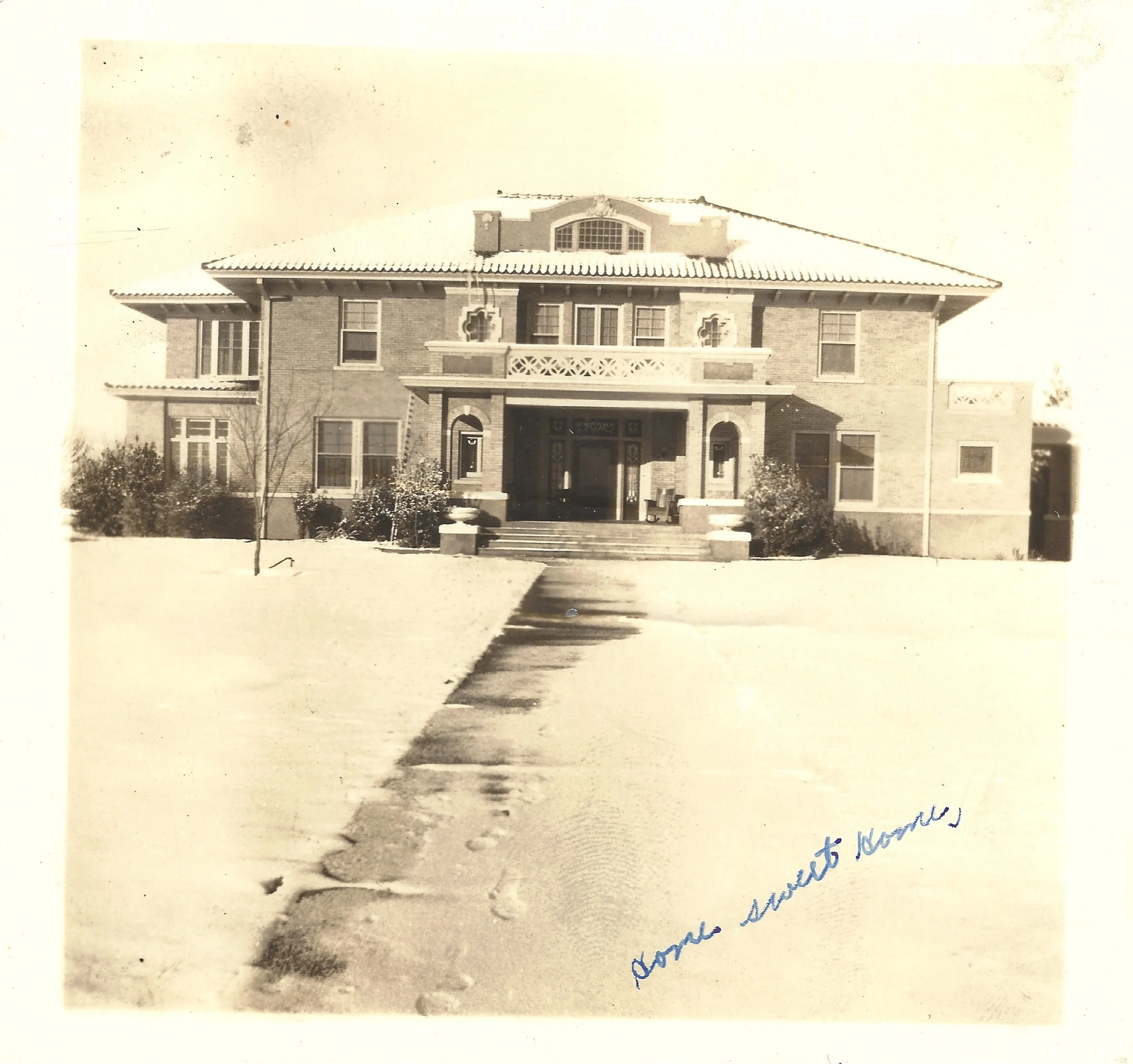
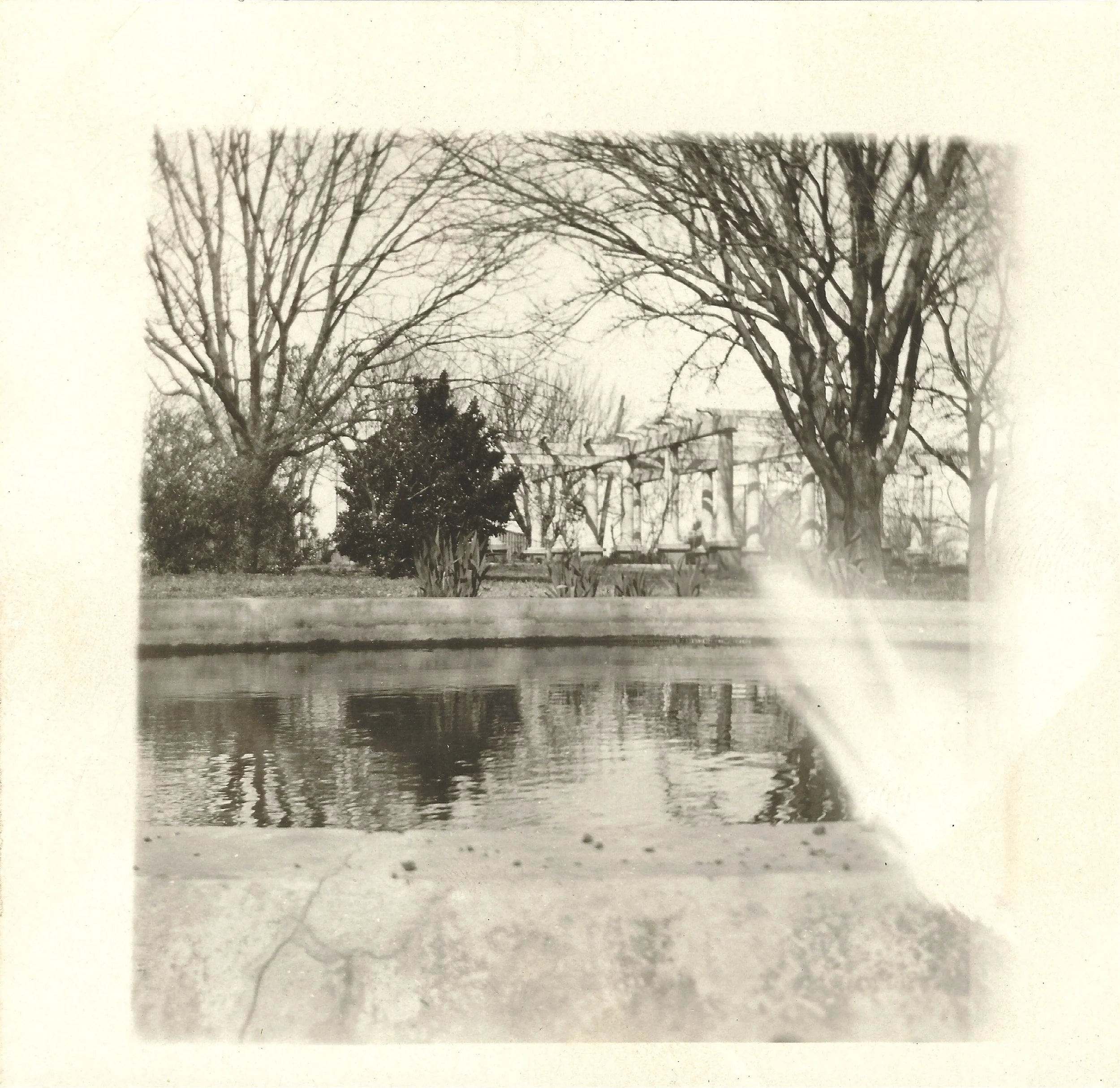
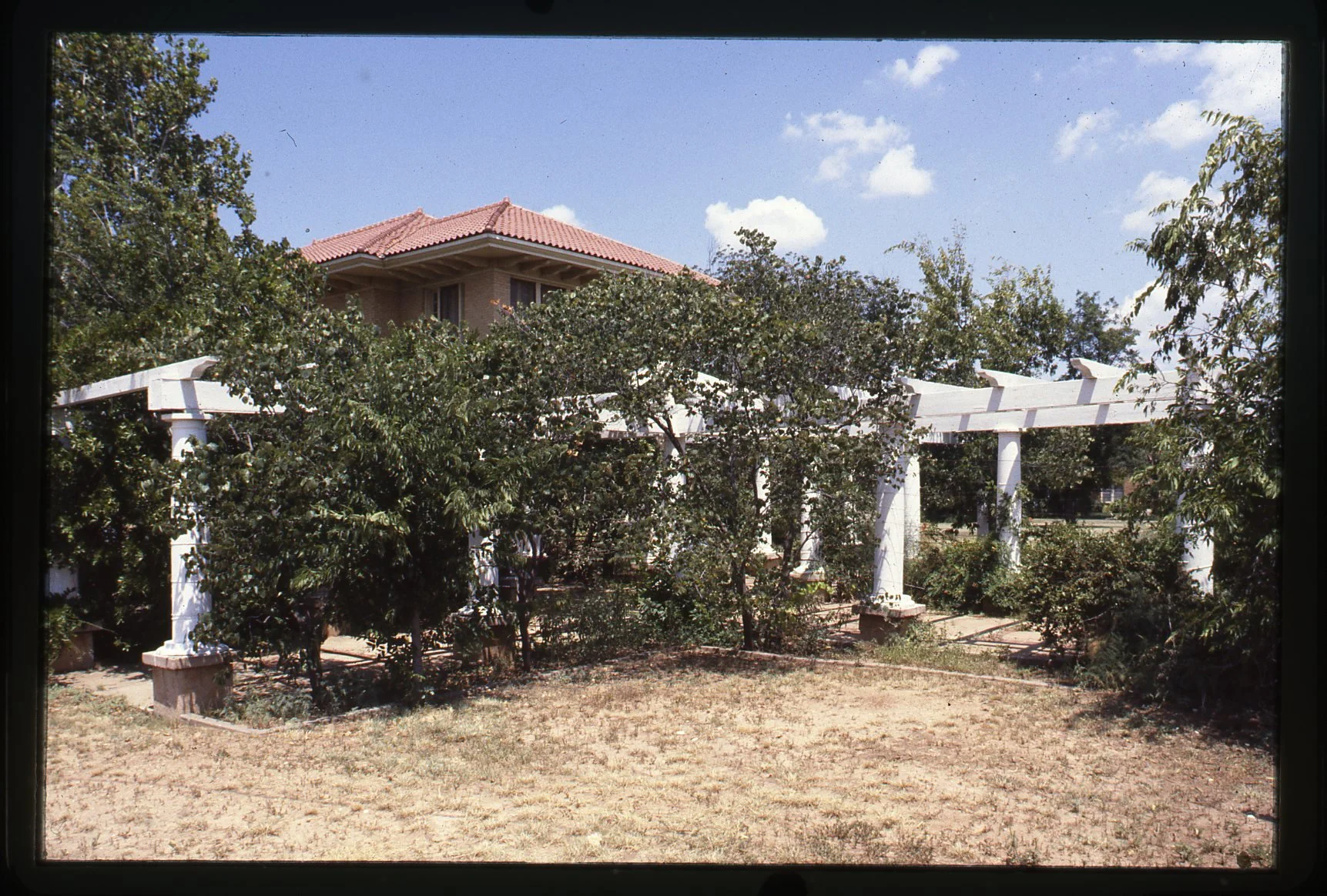
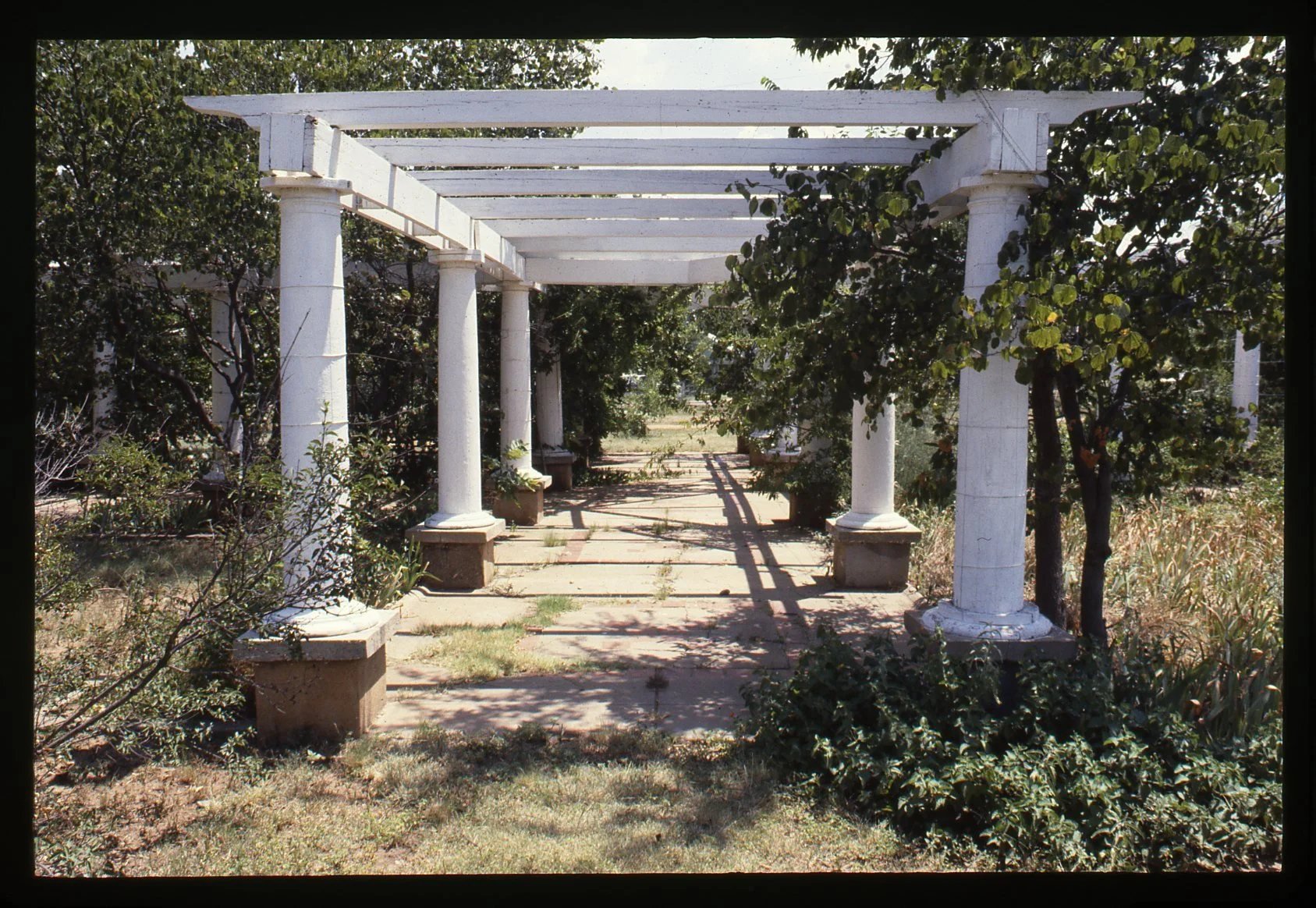
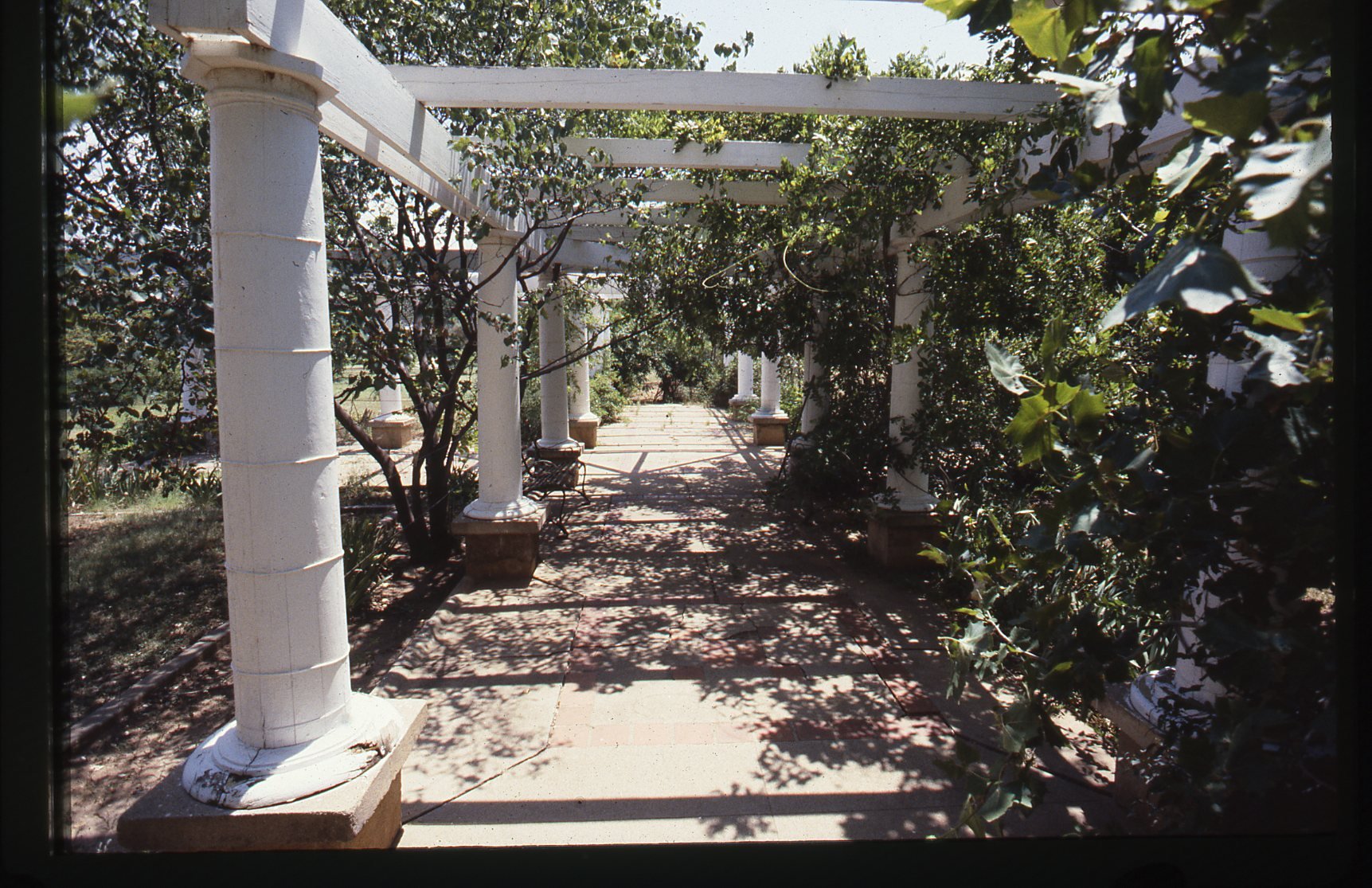
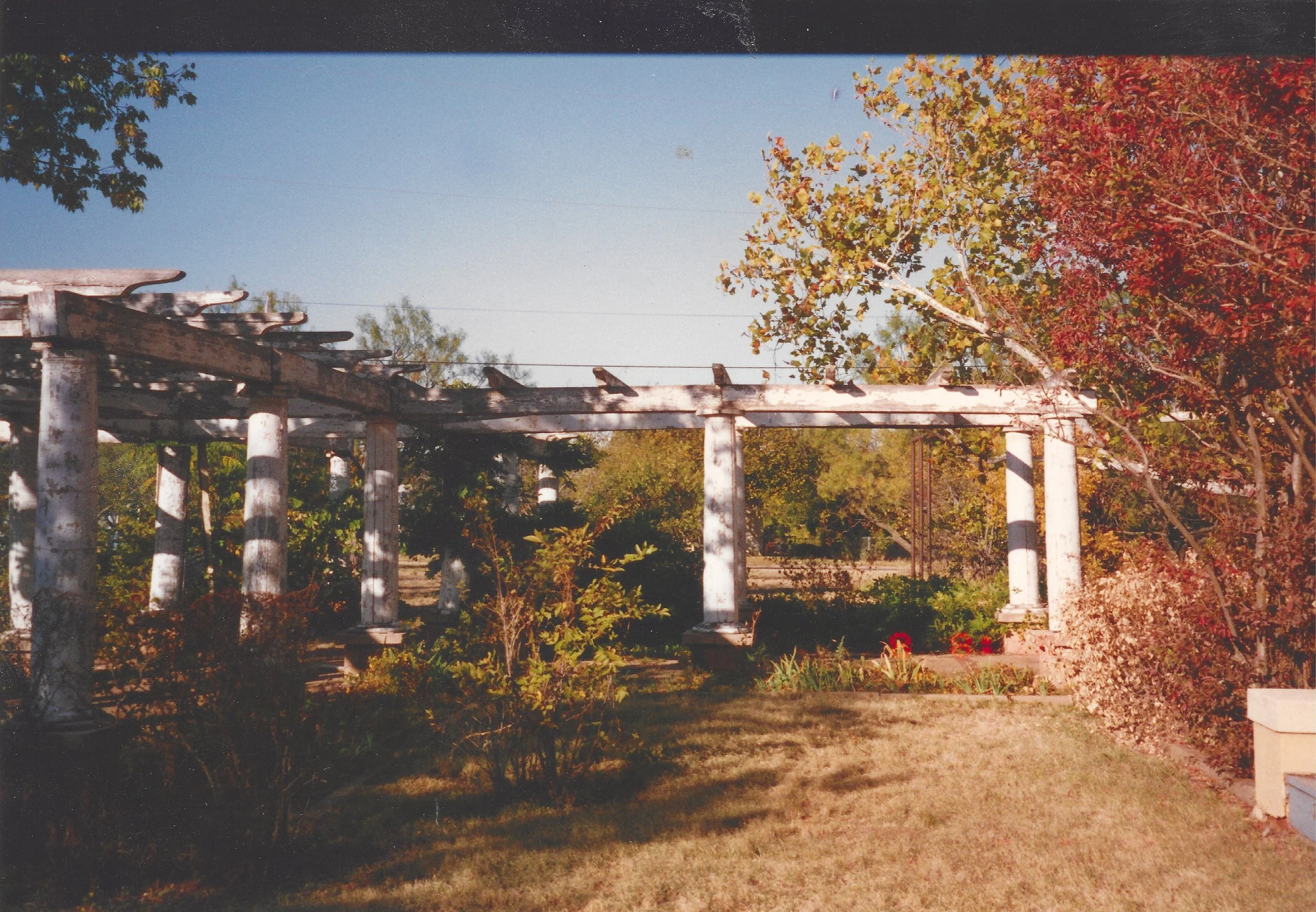
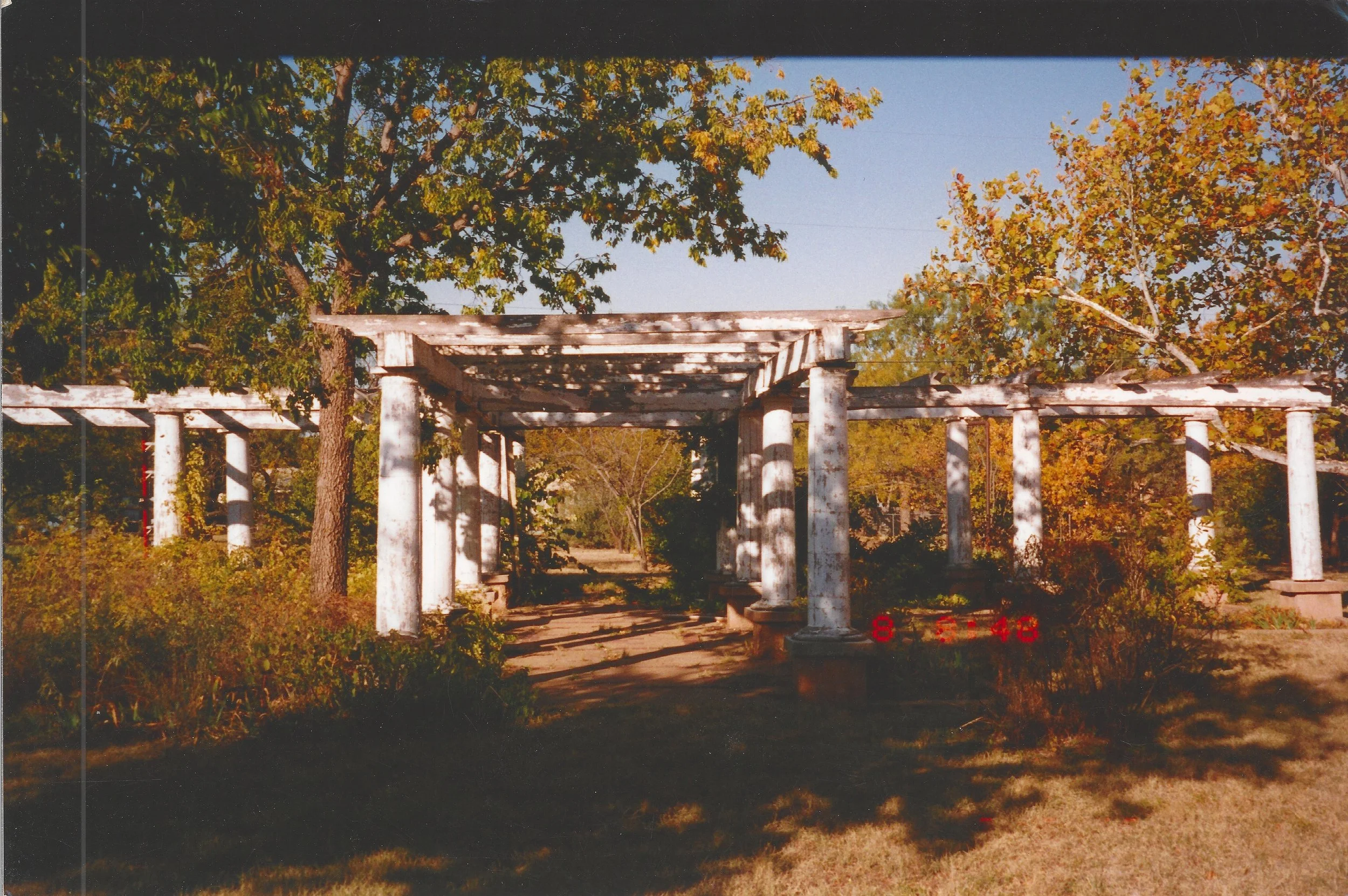
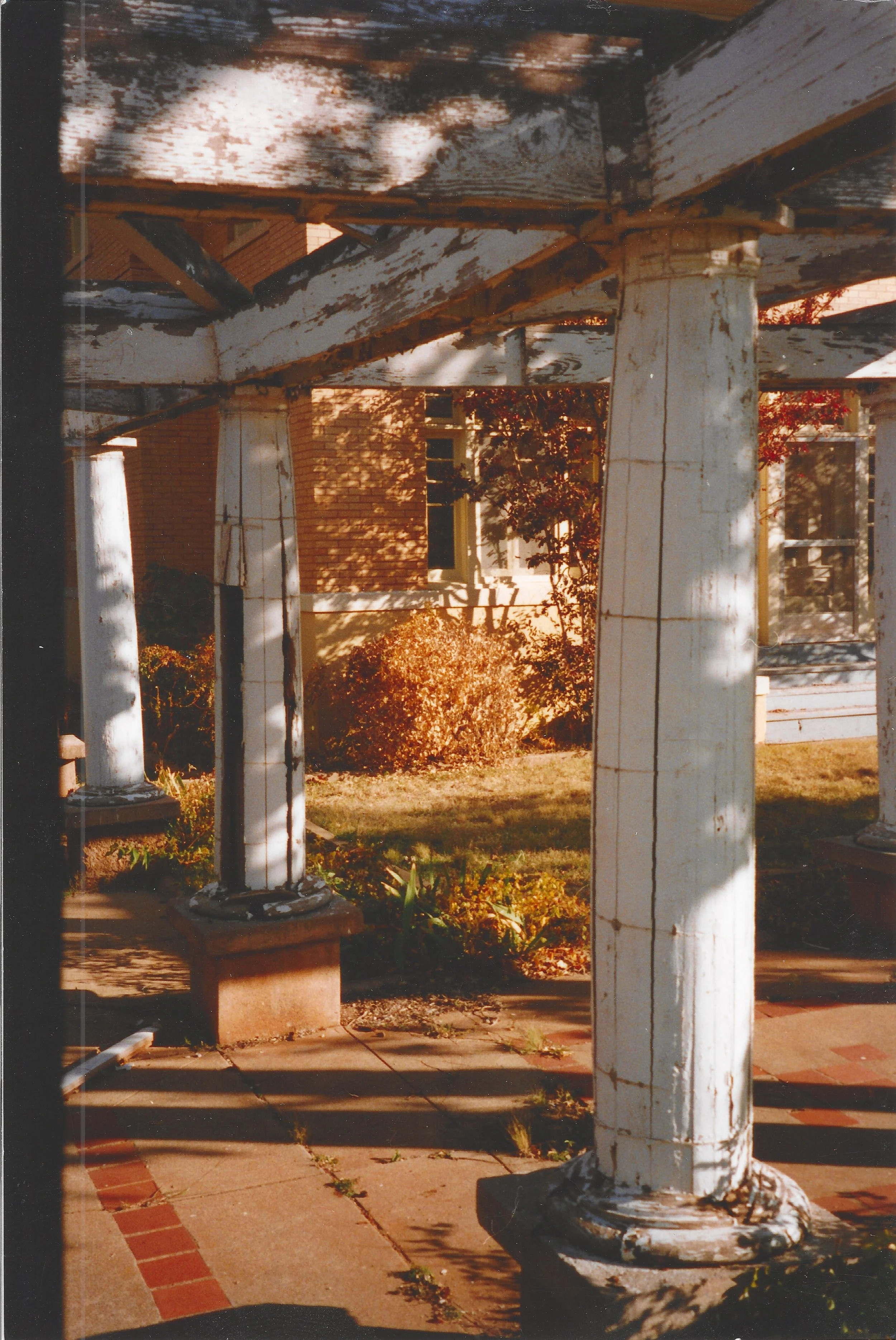
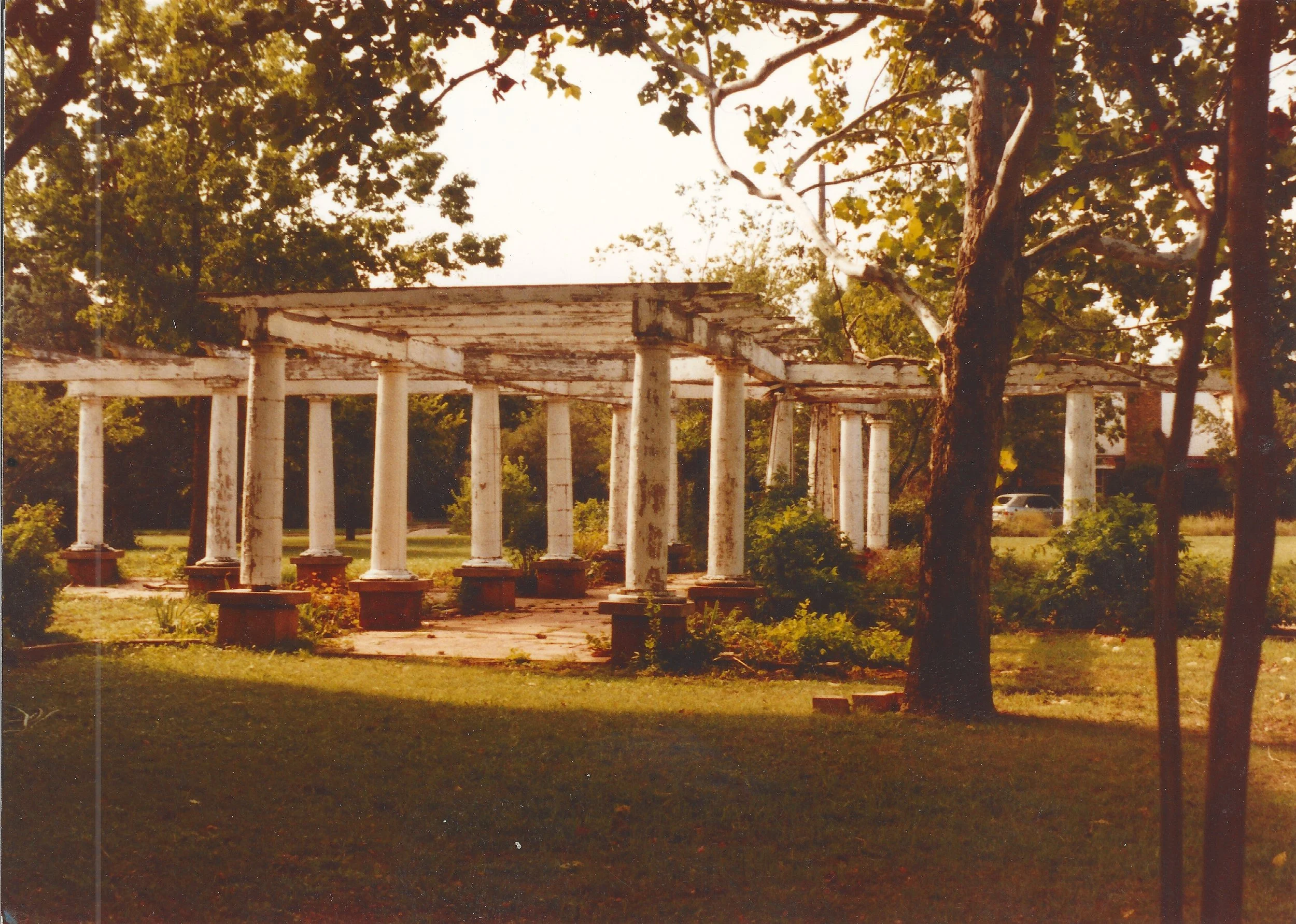
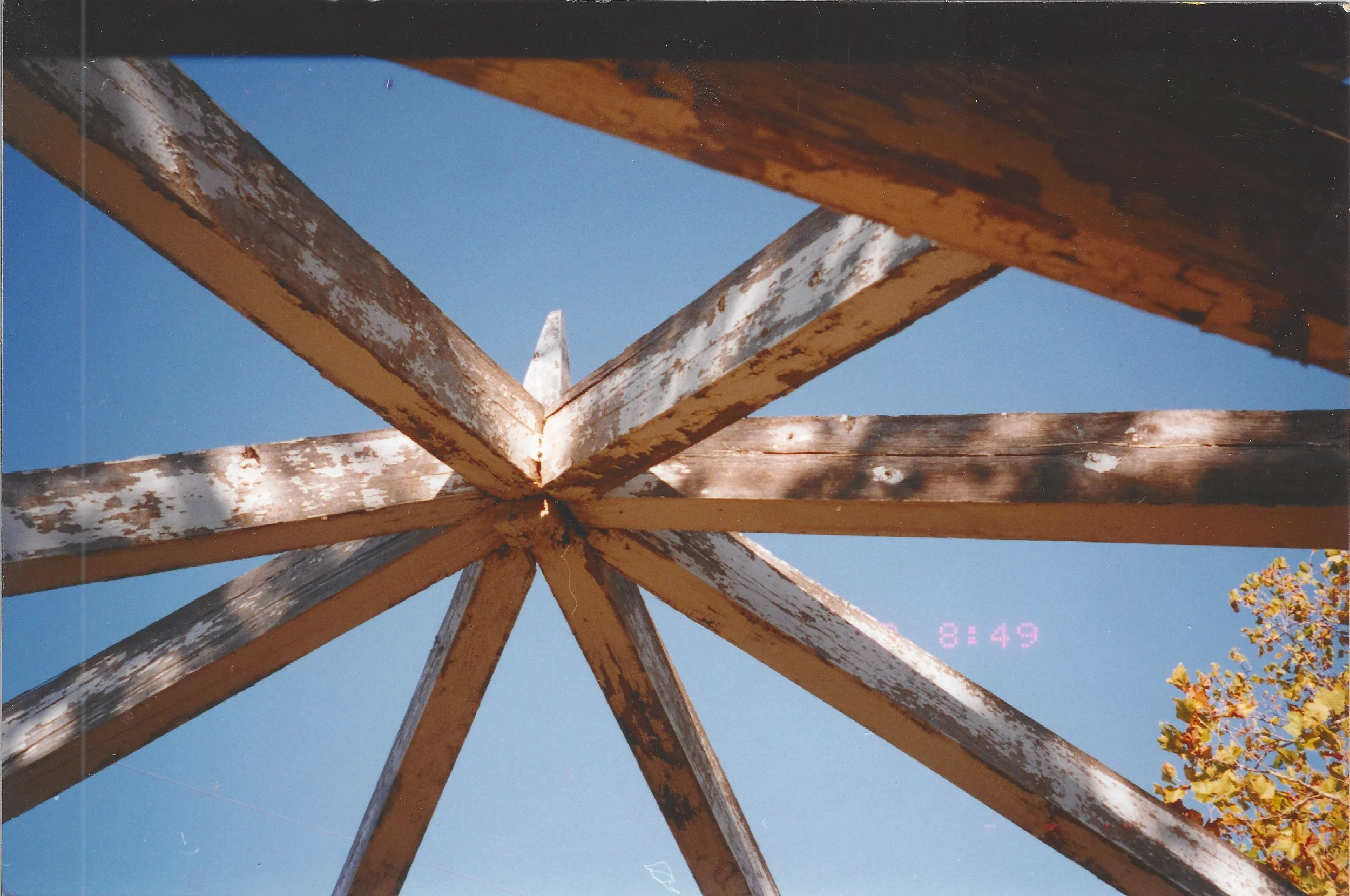
In 1908, the Swenson House was built for W.G. Swenson, an entrepreneur and prominent businessman in early Abilene, and his family. The home stayed in the Swenson family until 1986, when they donated it to the Abilene Preservation League. Preservation was completed in 2019, when the APL transferred ownership of the property to the Swenson House Historical Society, a separate non-profit that formed out of the APL.
-
Description text goes here
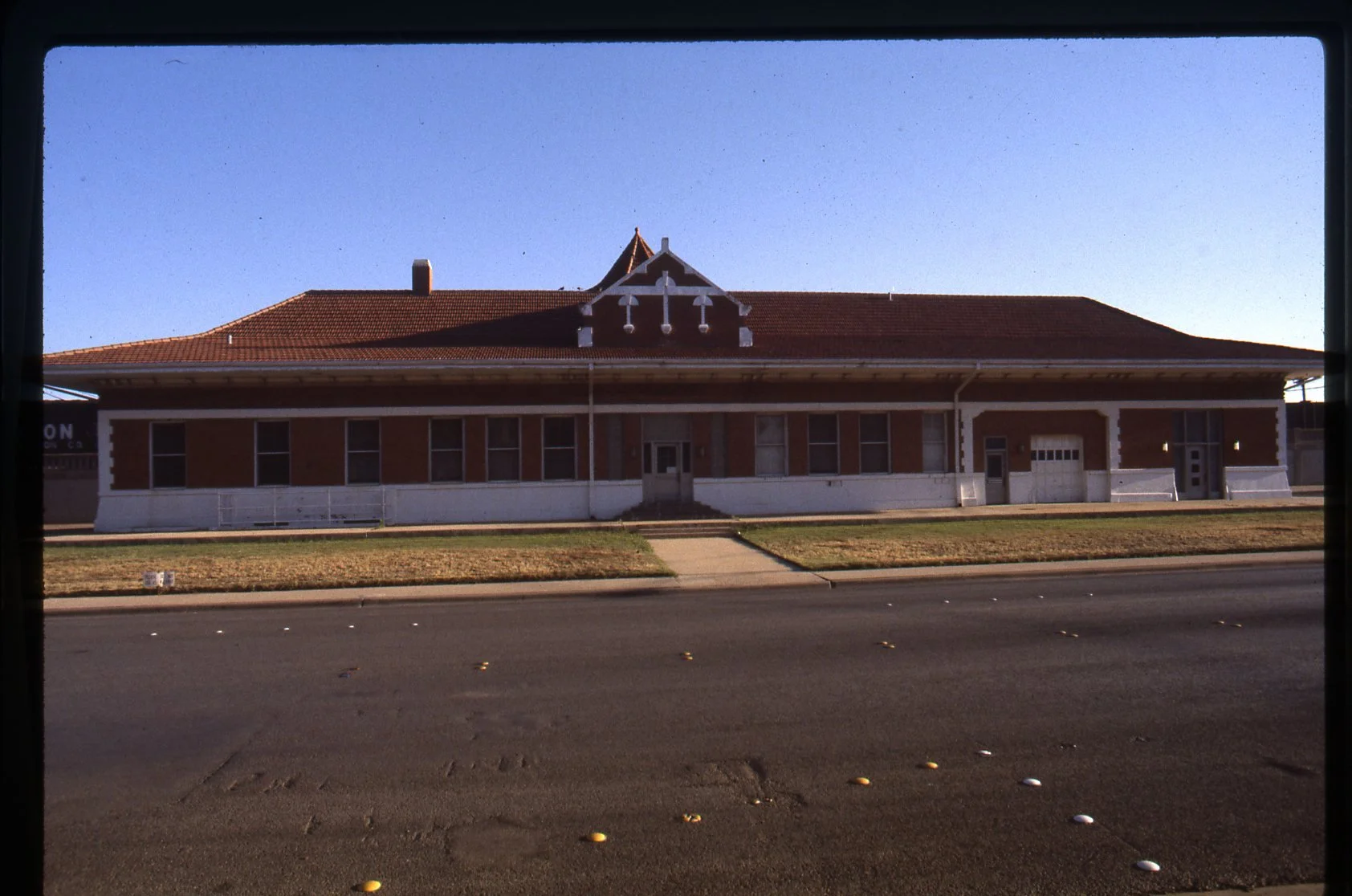
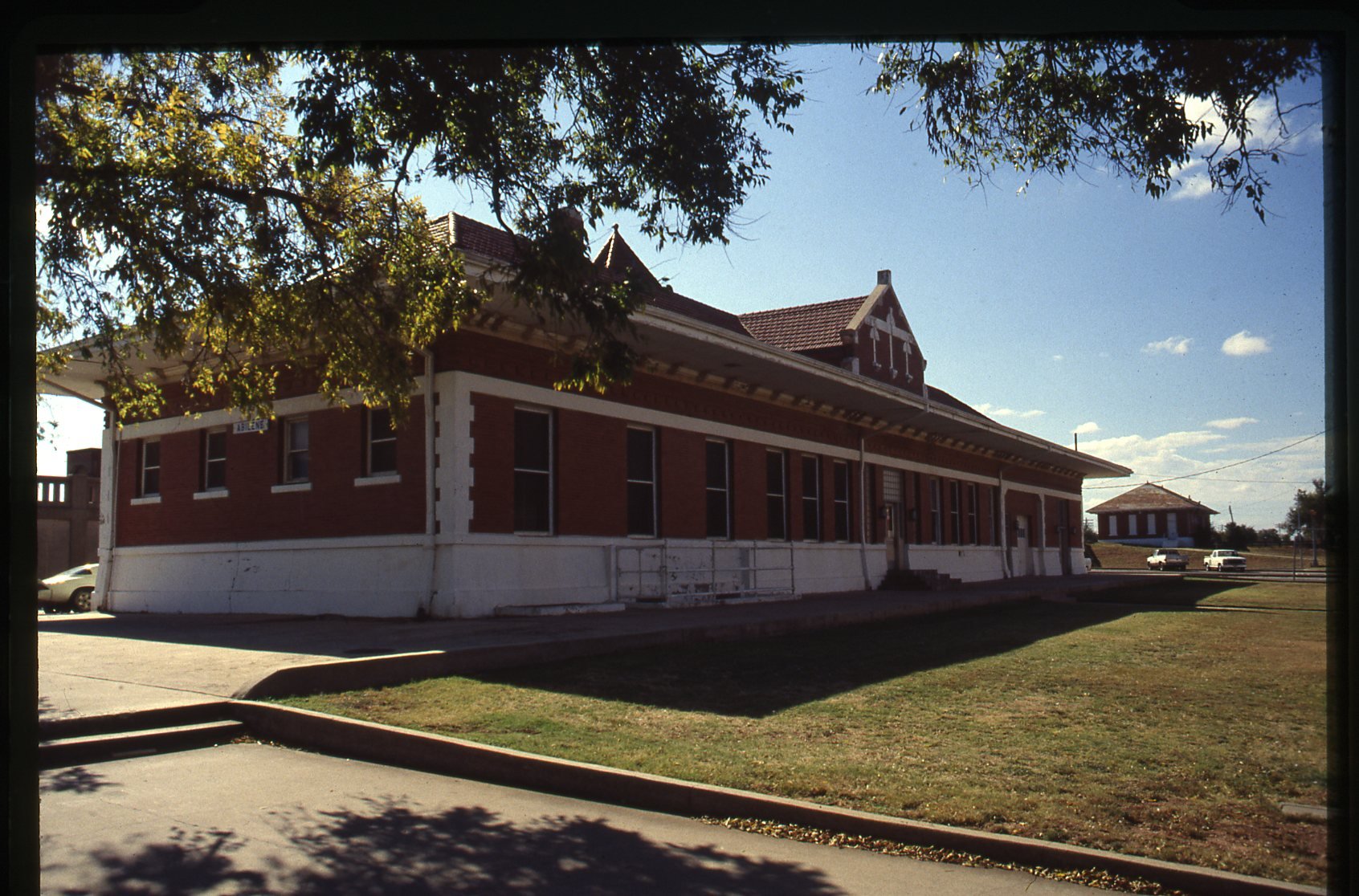
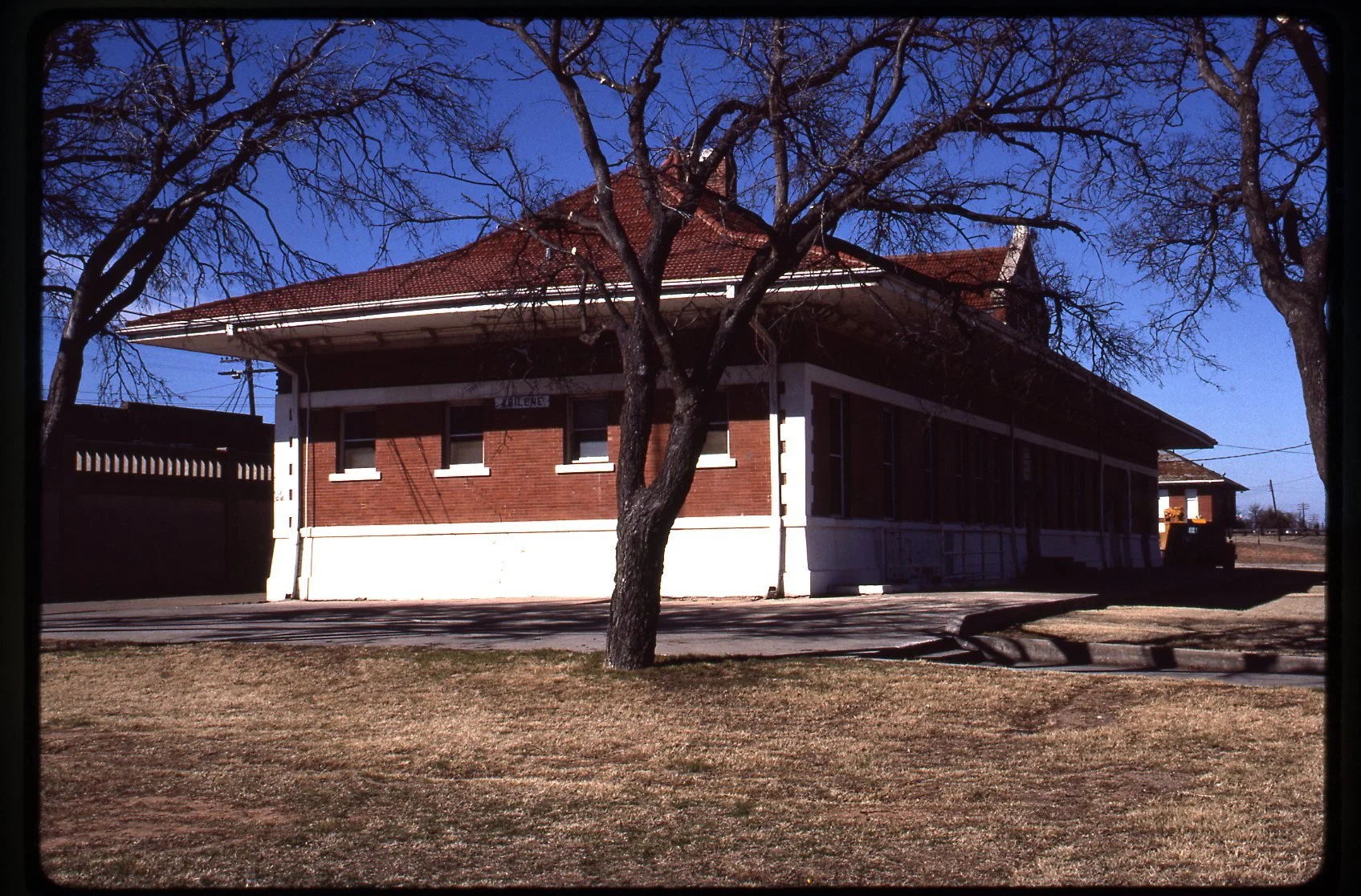
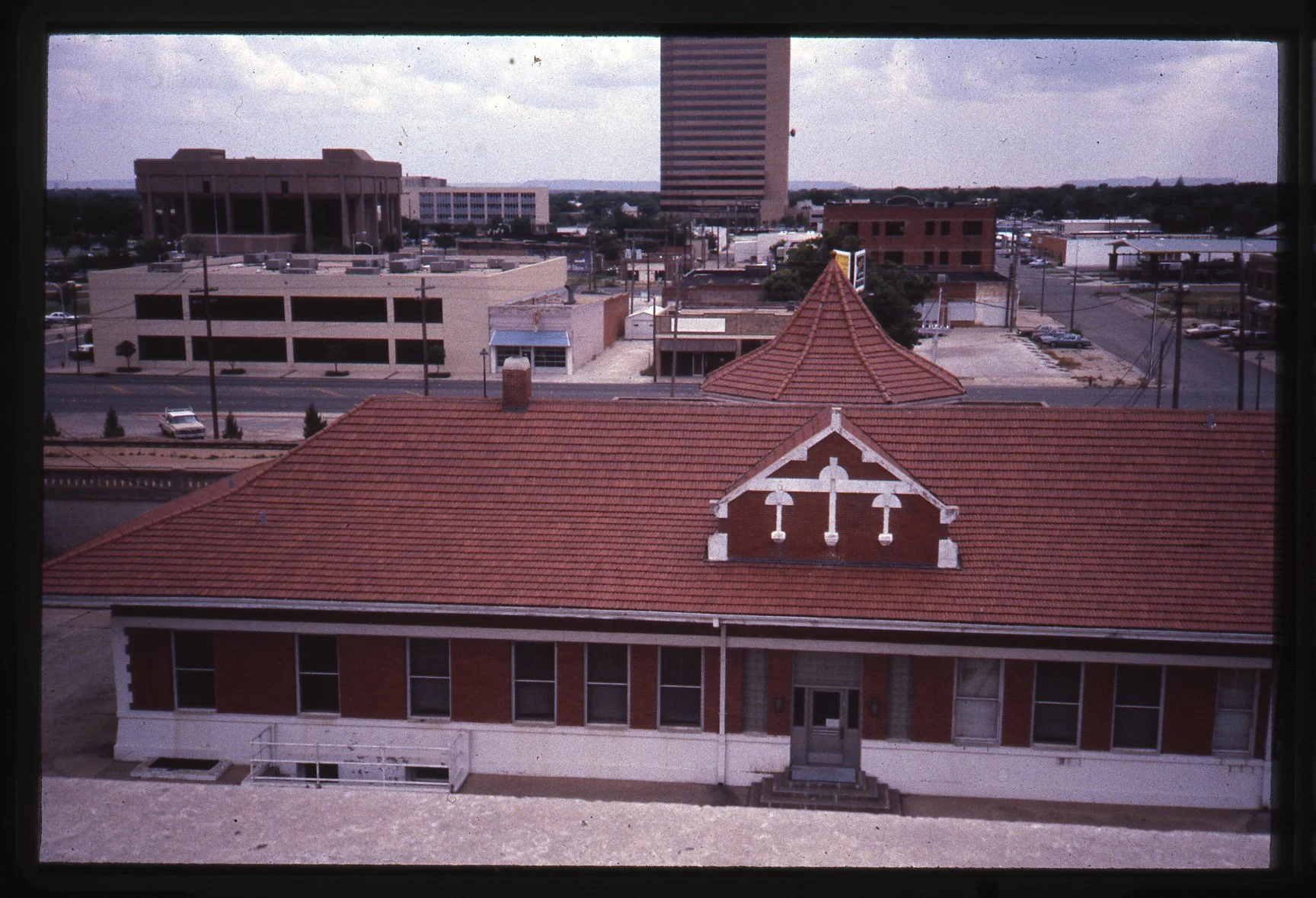
Texas & Pacific Ry. Pass. Depot
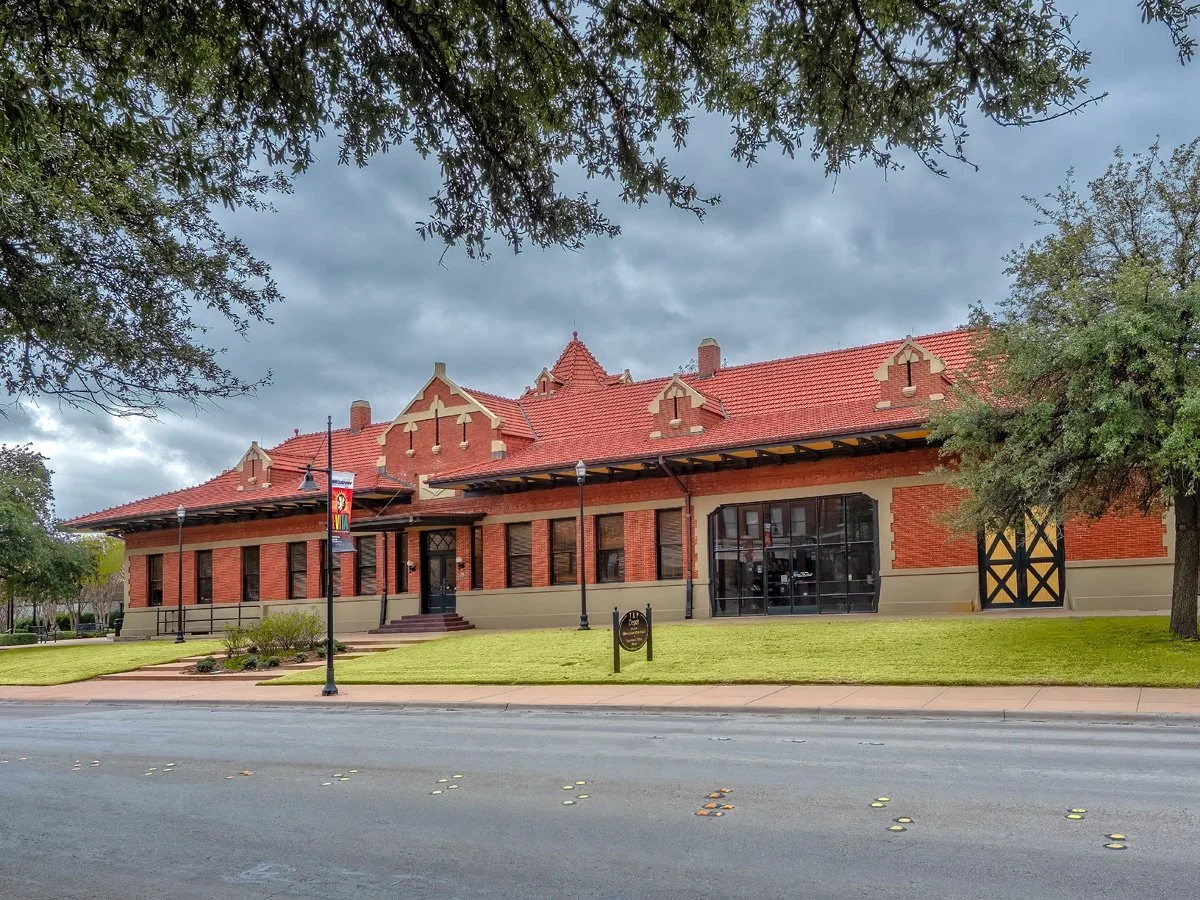
Credit: Steve Butman Photography
1101 North First Street
Built: 1910
Style: Mission/Spanish Revival, Eclectic
Occupants: Abilene Convention & Visitors Bureau | Abilene Cultural Affairs Council
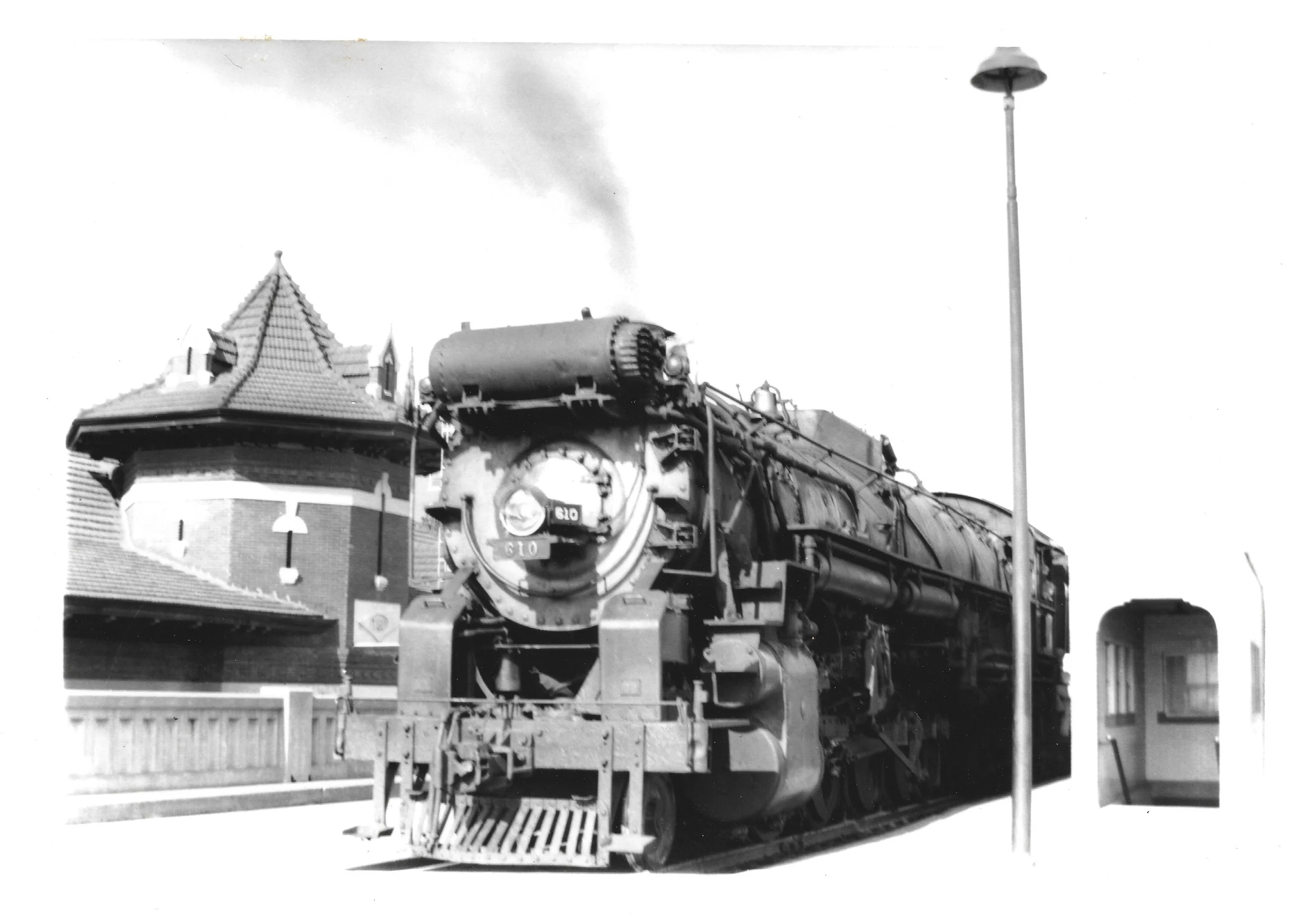
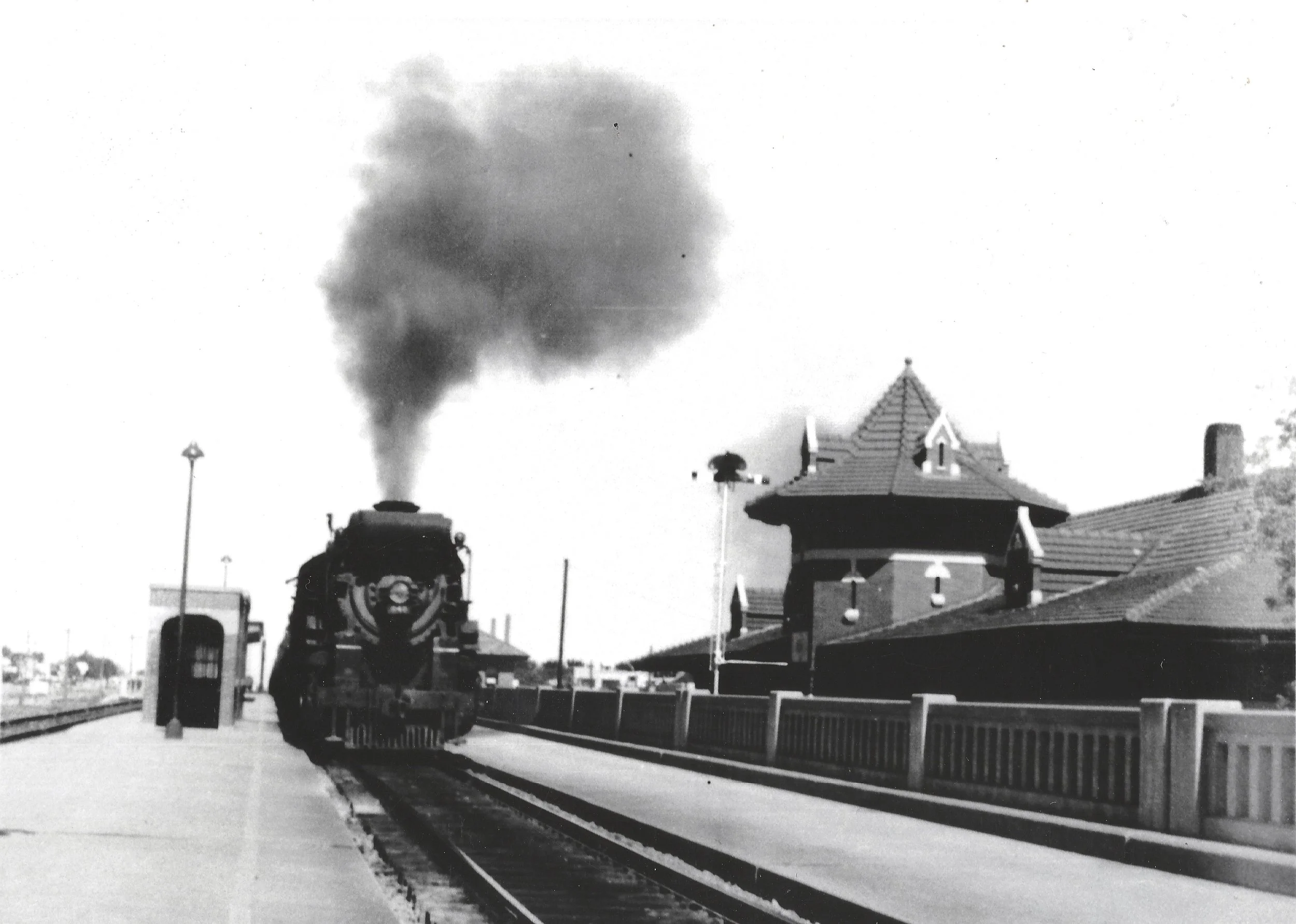
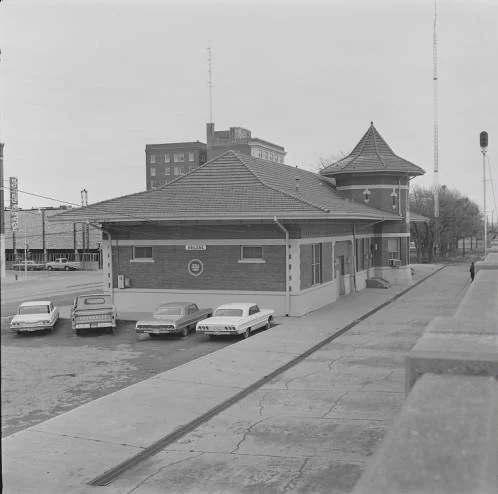
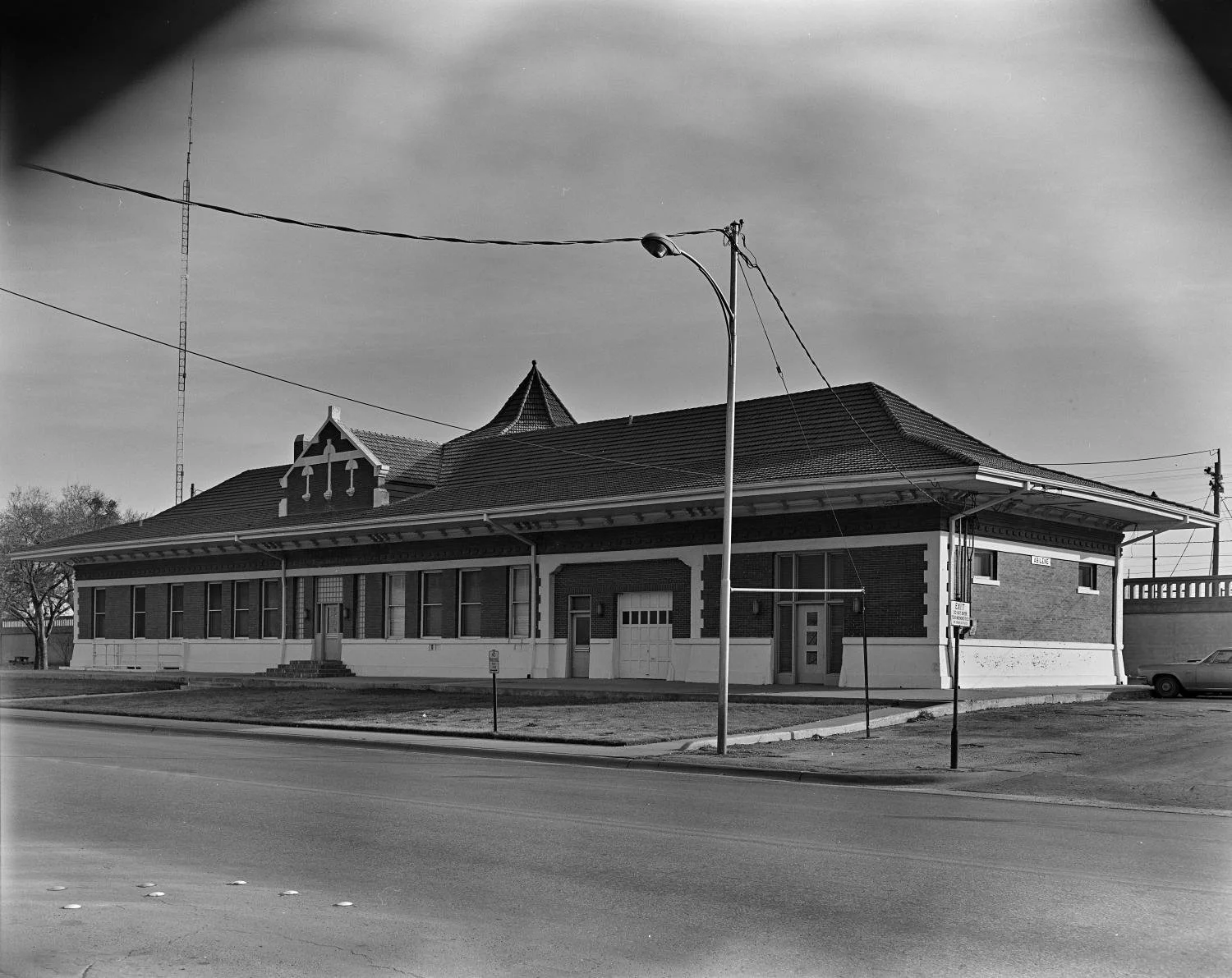
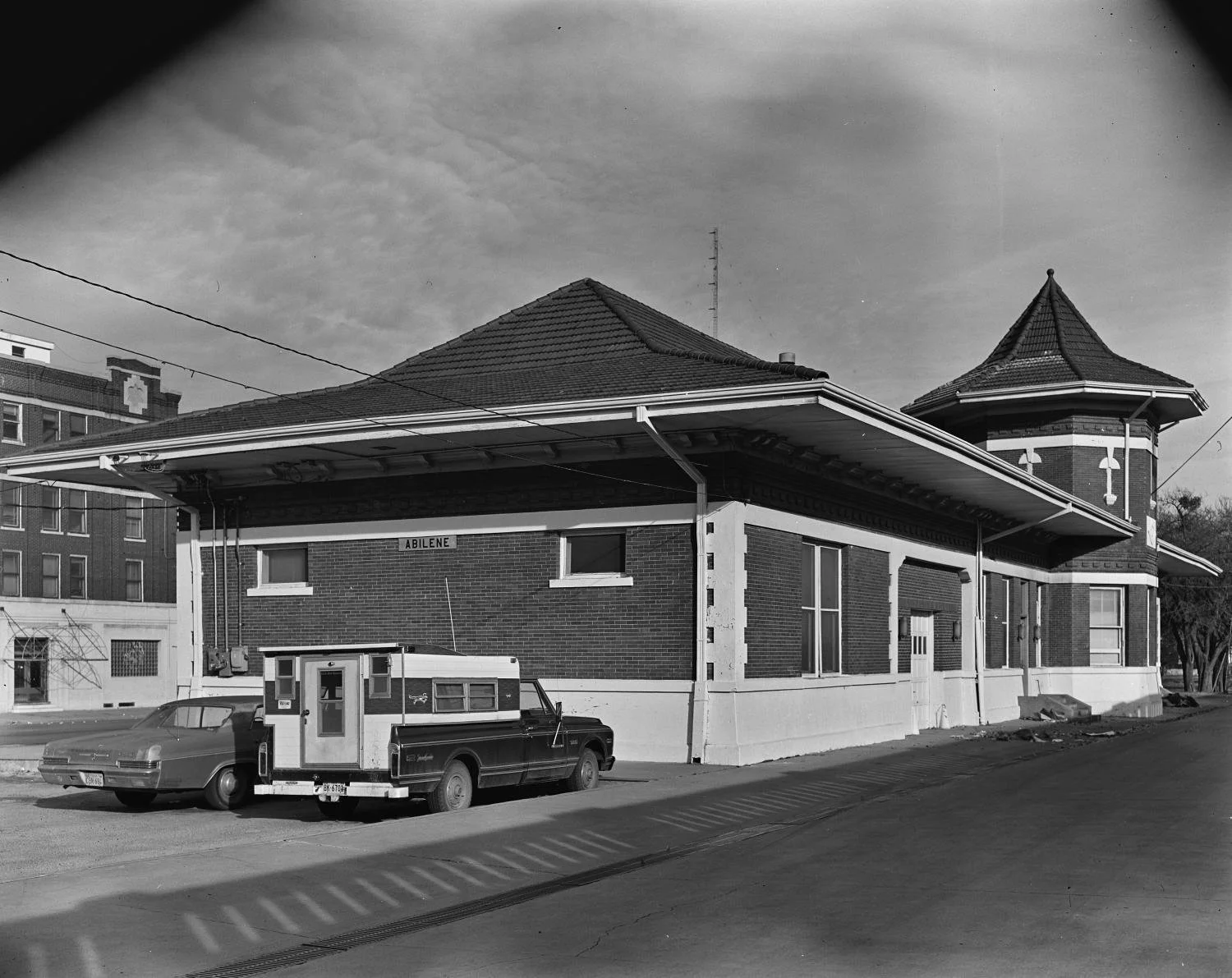
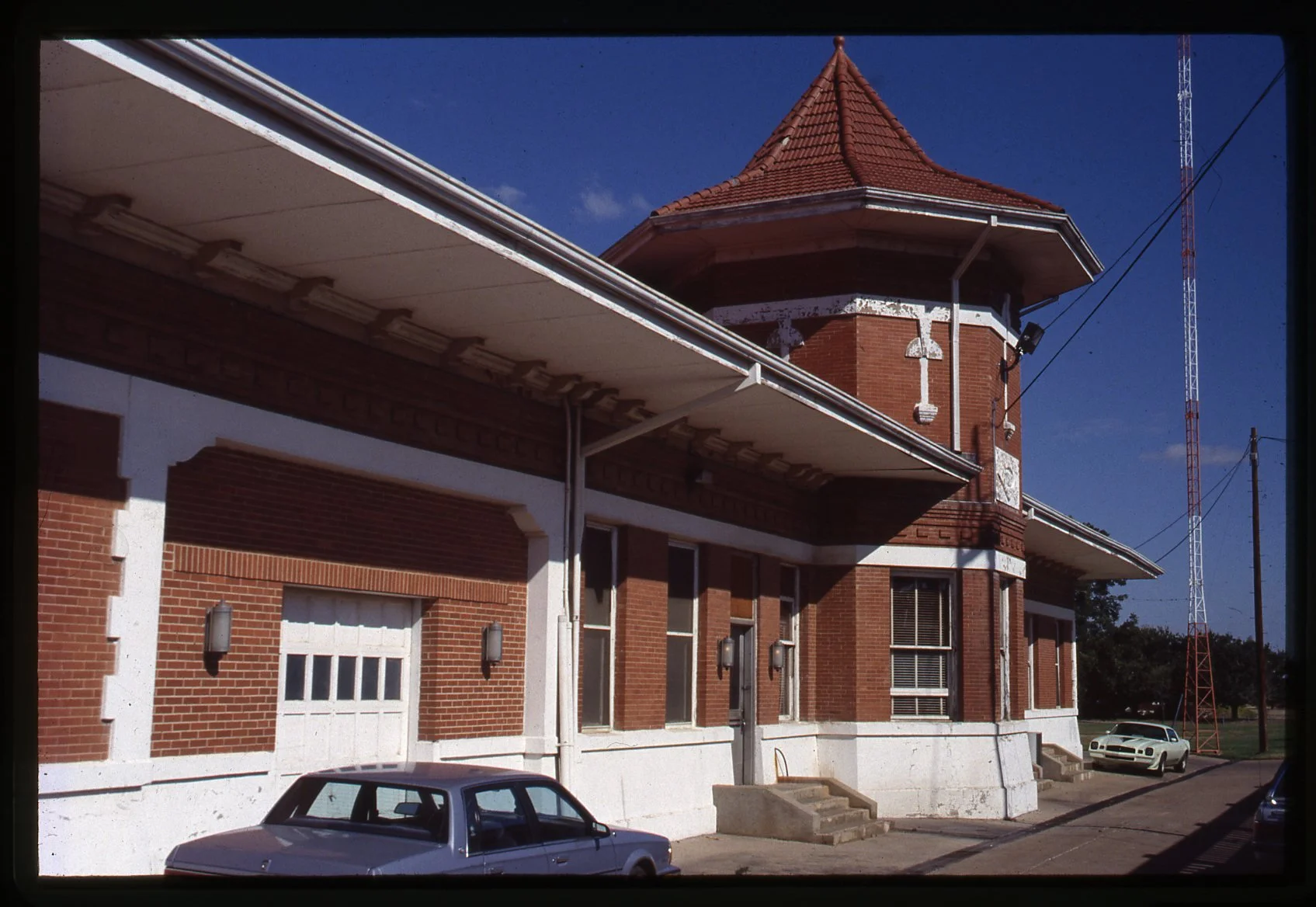
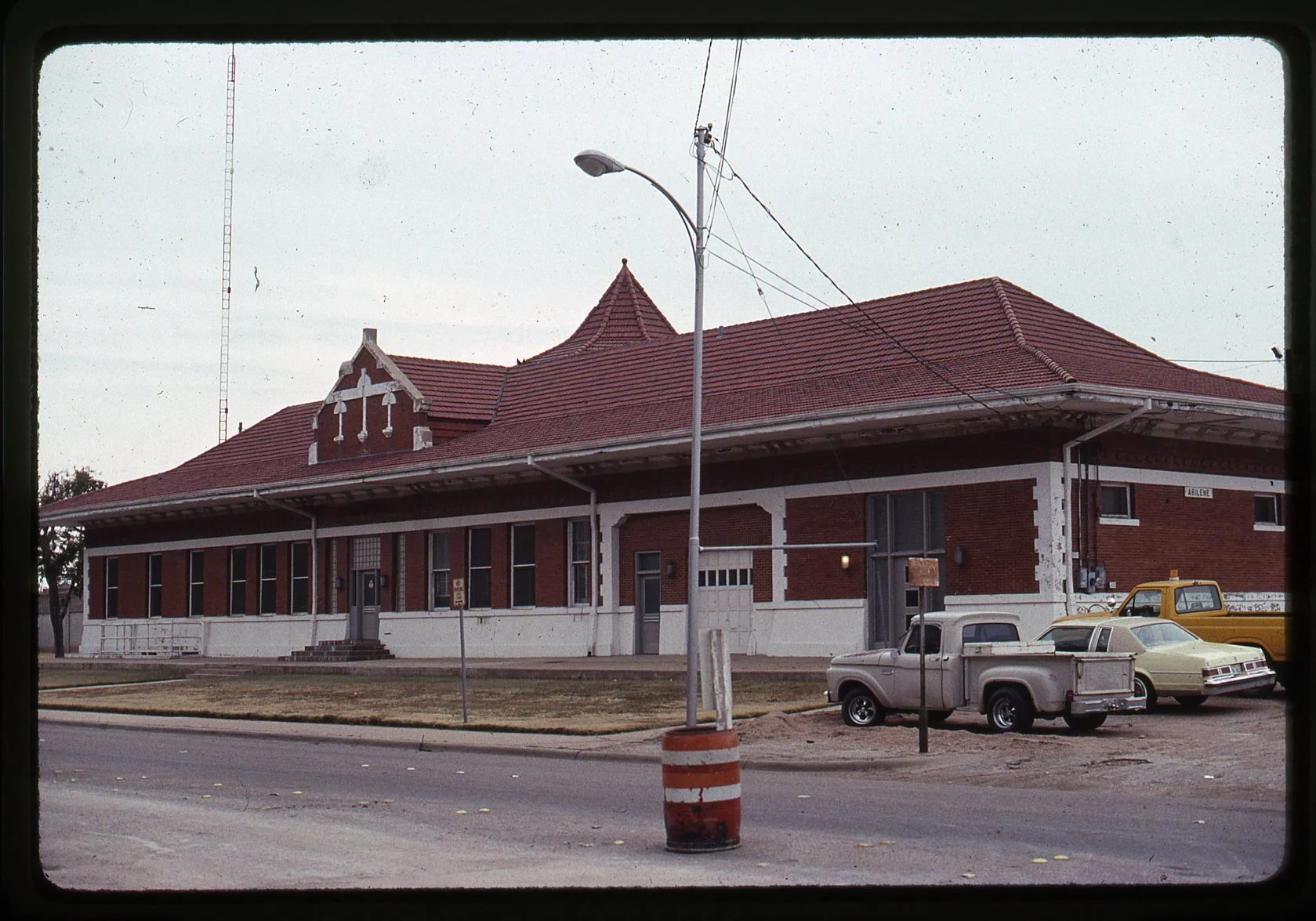
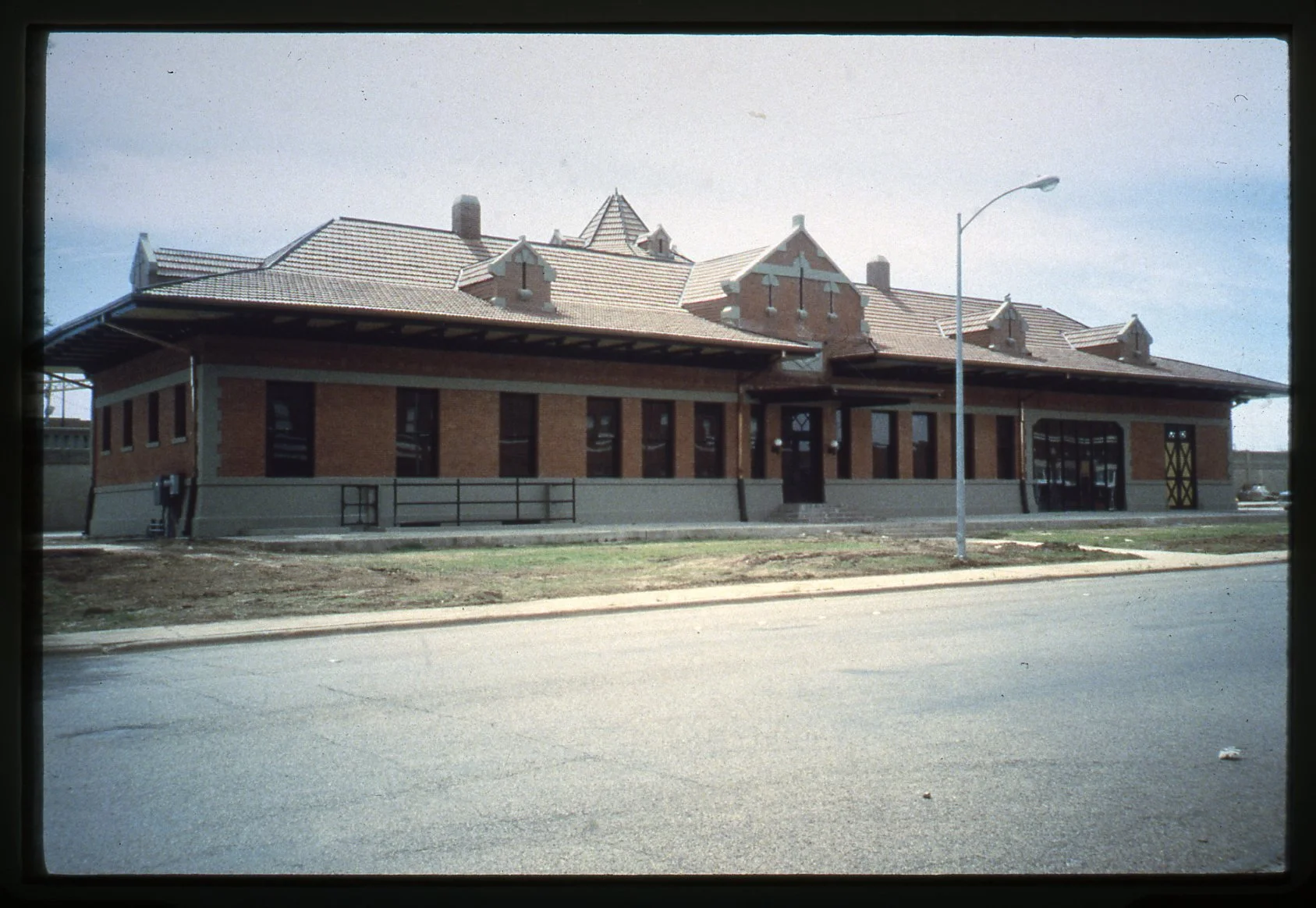
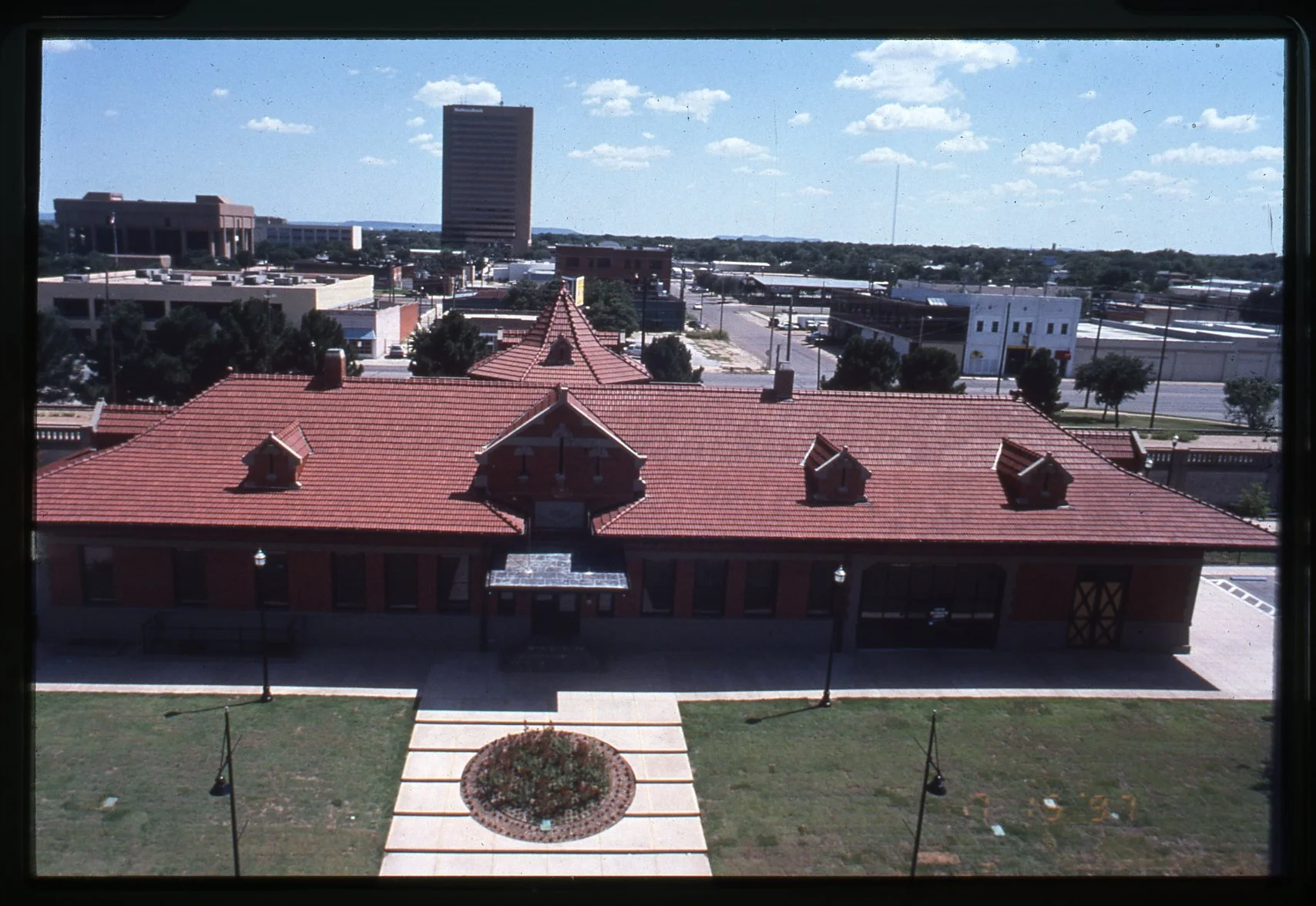
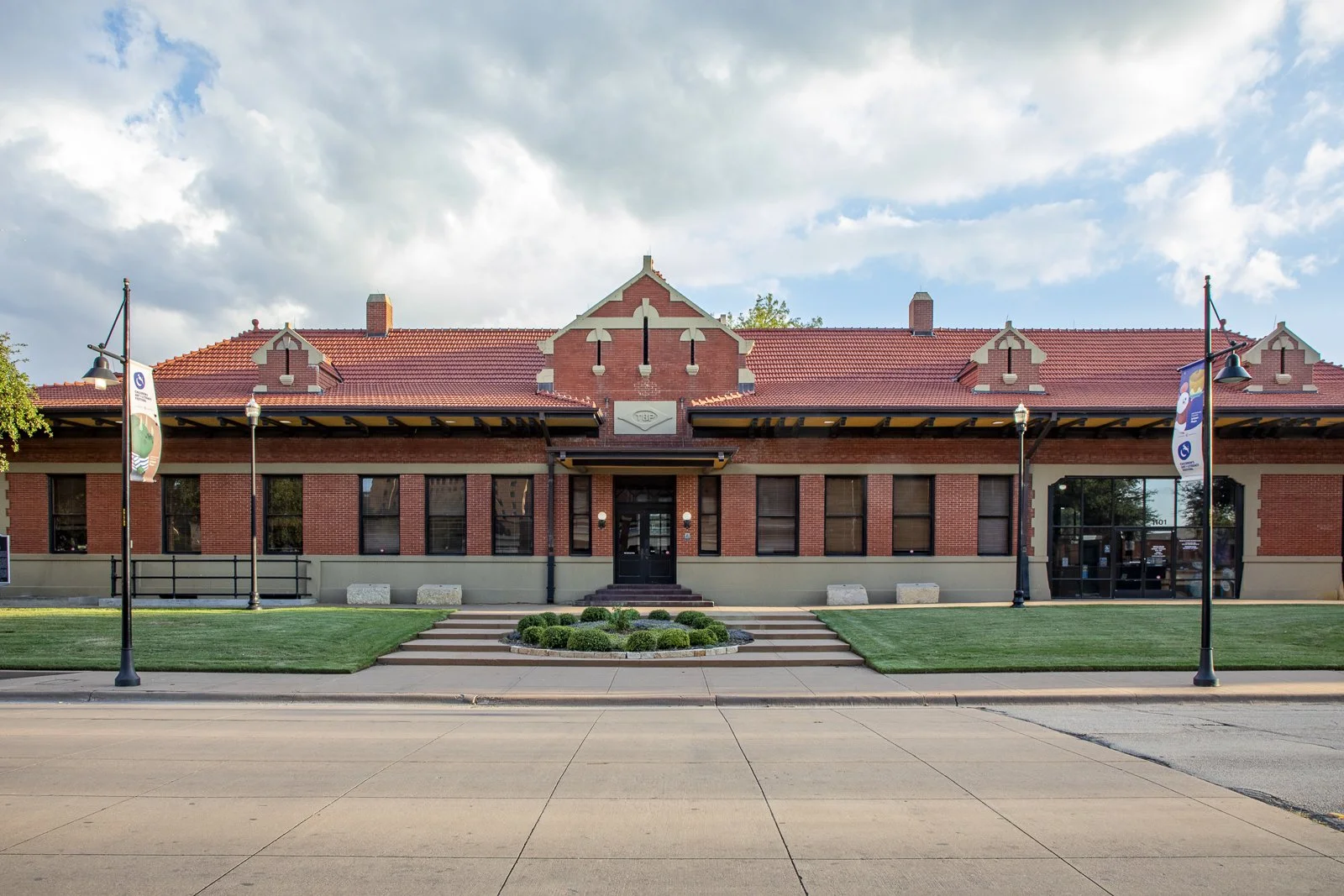
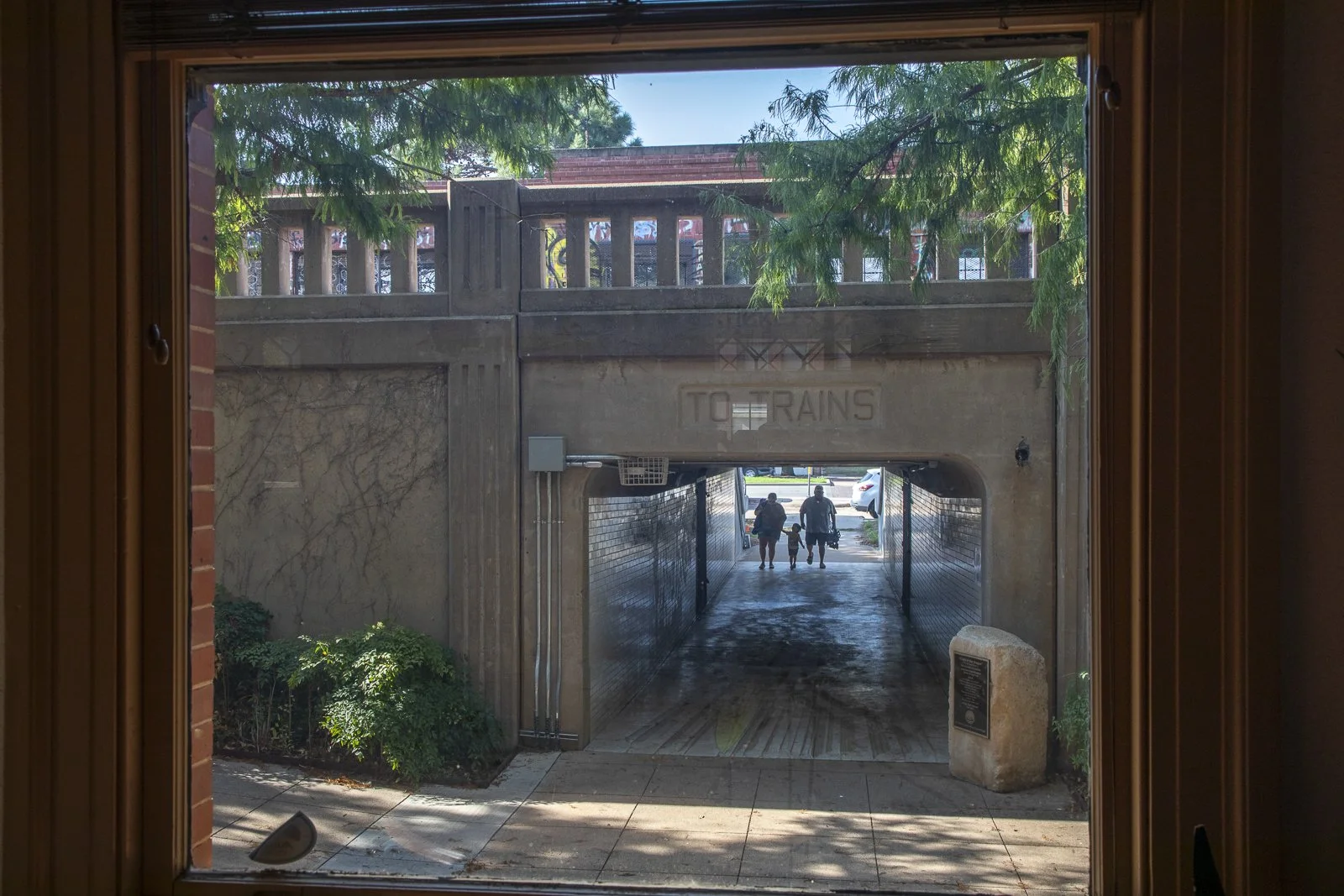
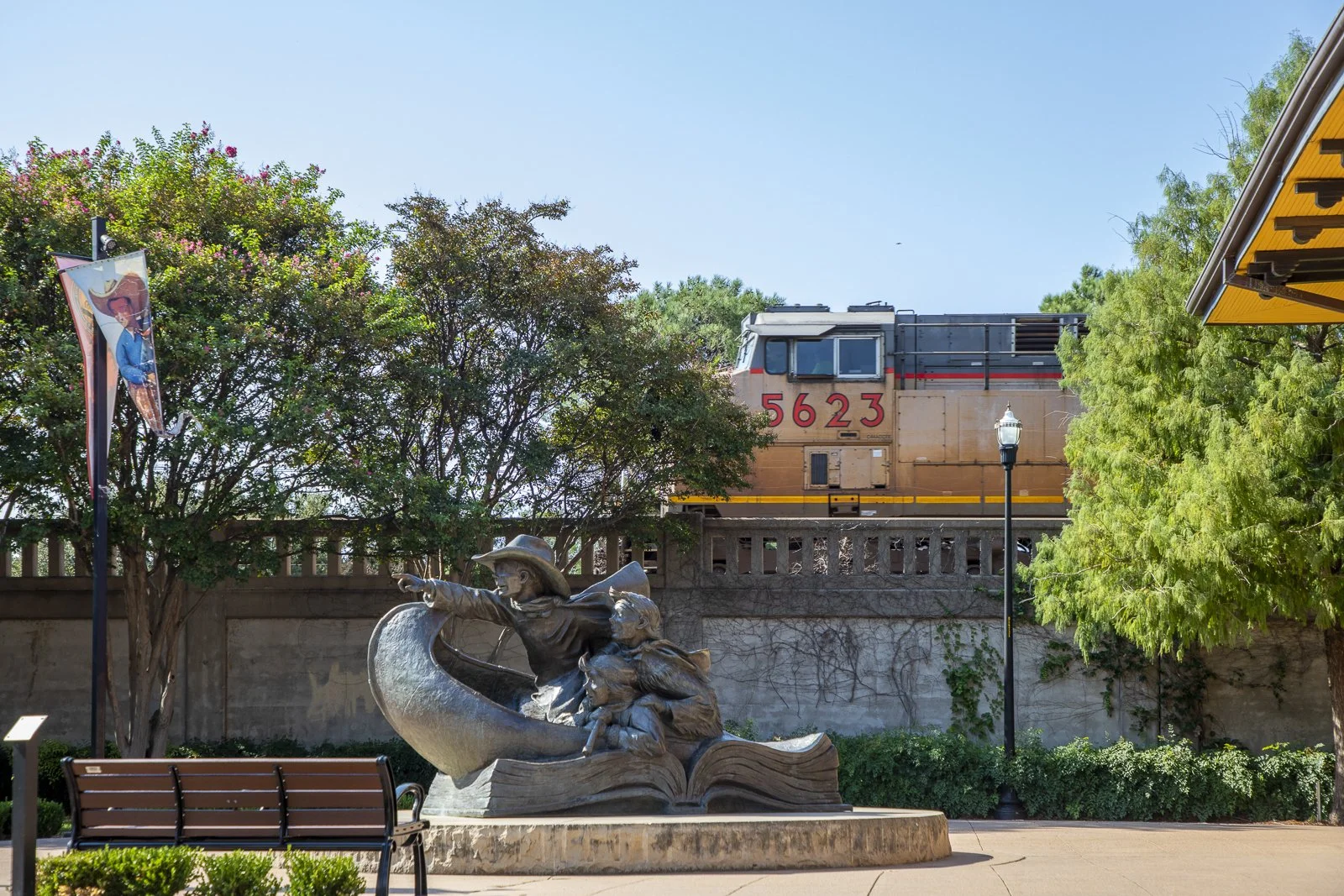
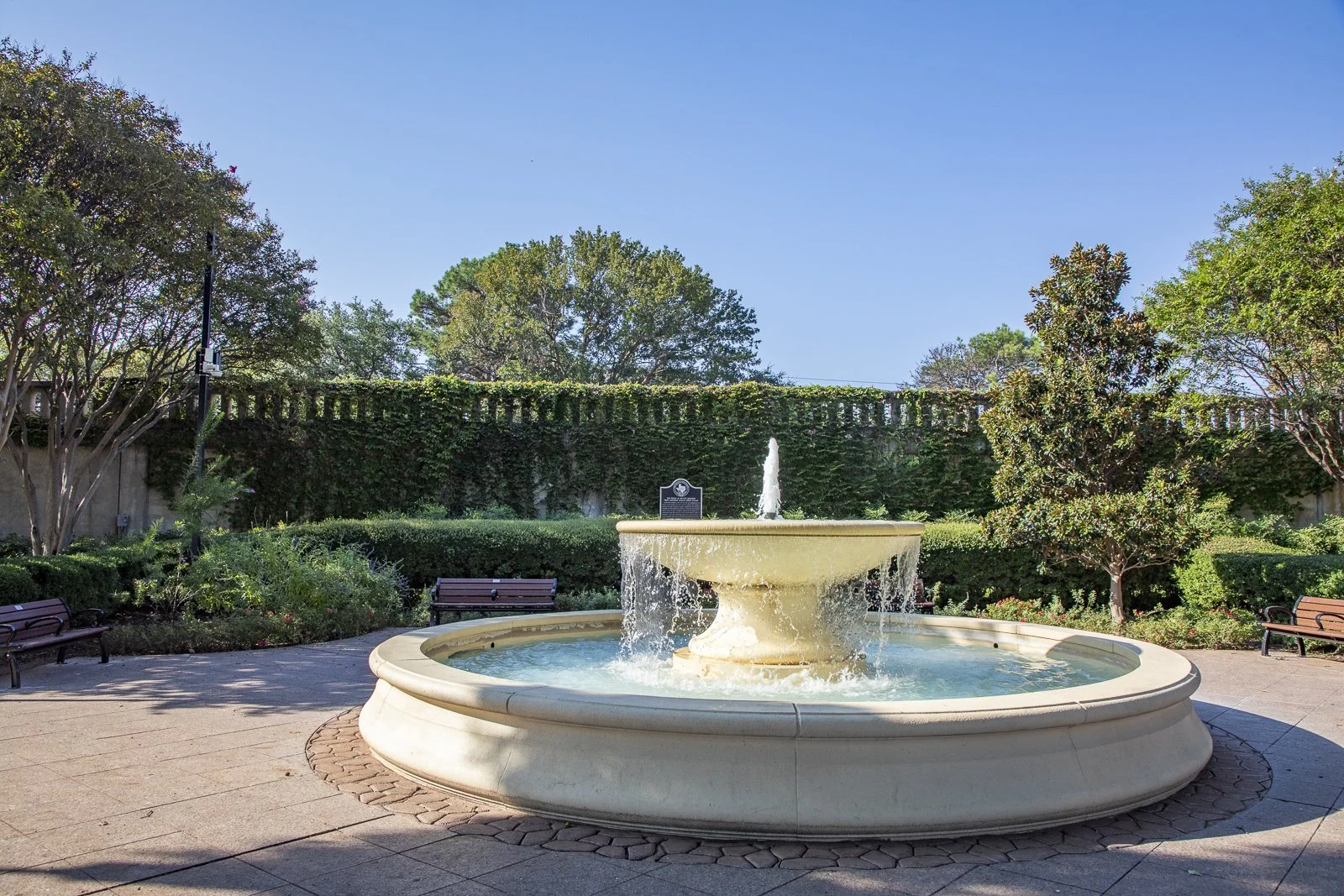
Development officially began to take place in May of 1910. Construction was hasty as employees moved into the new space on November 21 of the same year. A mission revival style was chosen for this new brick depot complete with a tower that became the bay window at the base.. The western most portion of the depot now had a dedicated room to handle all of the baggage. which was separated from the main structure by a breezeway.
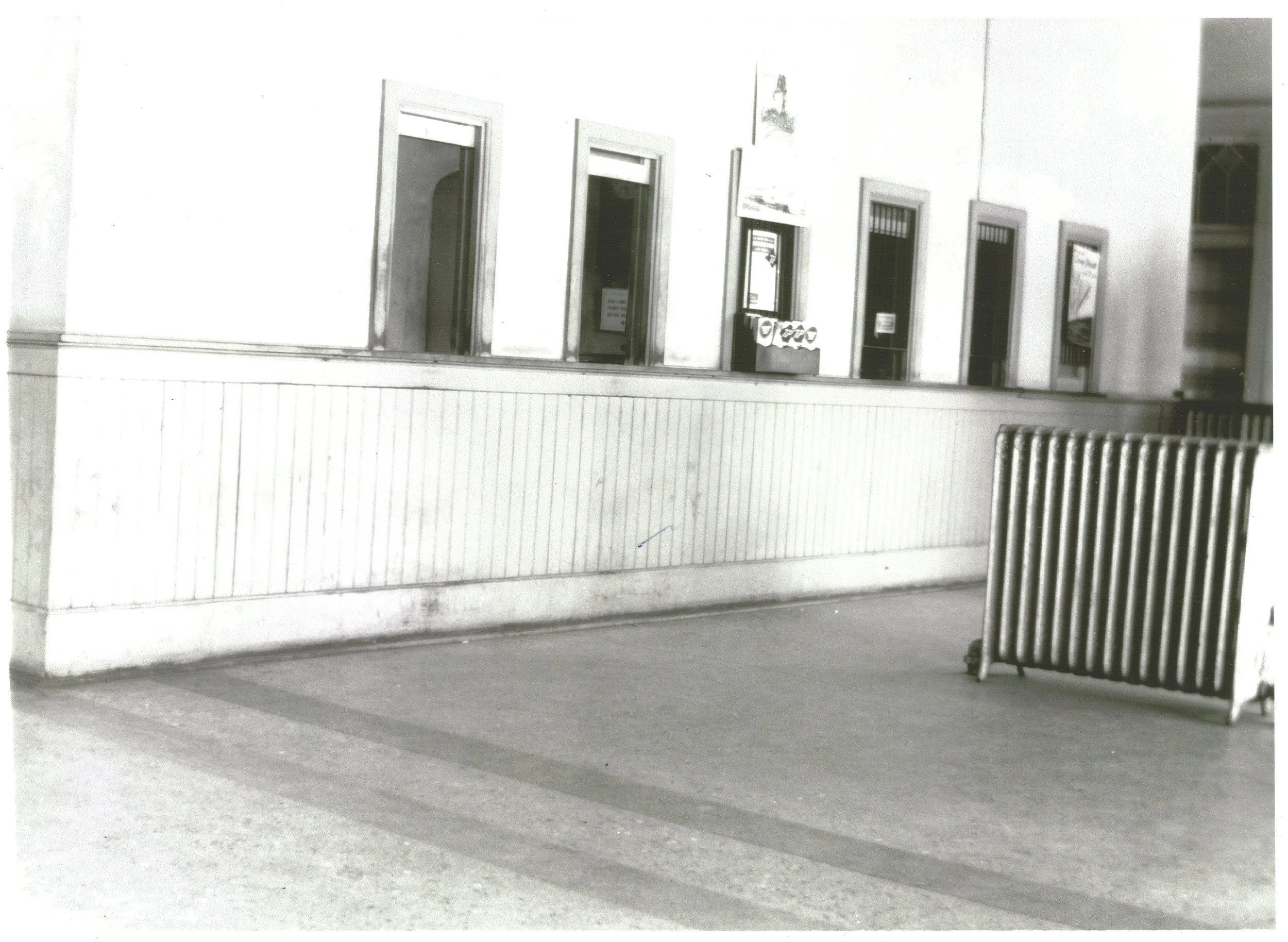
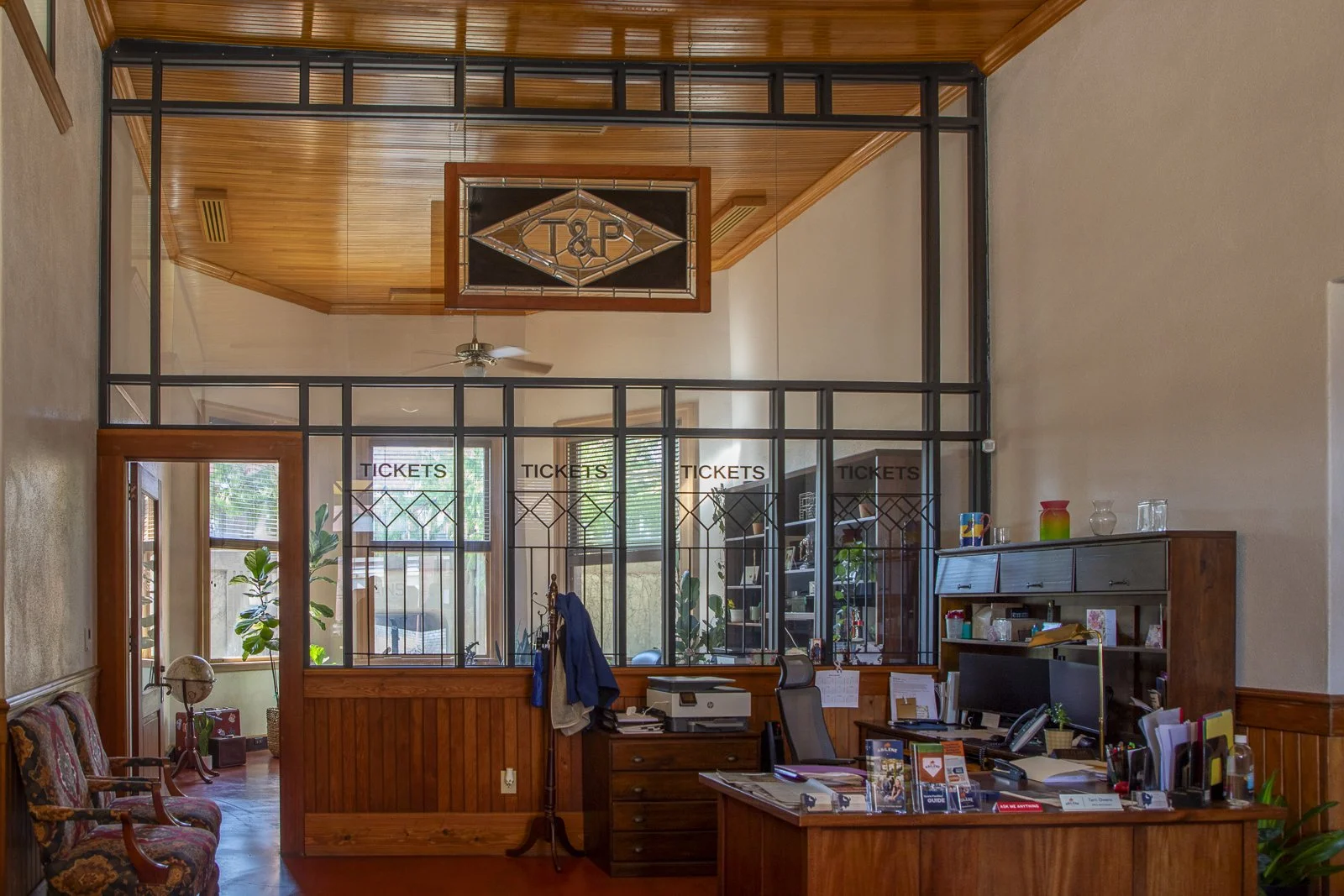
The streamlined era of the railroad took place from 1948 to the mid 1950s. Abilene’s depot wouldn’t begin having changes made to it until July of 1953. A $90,000 remodel was planned starting with enclosing the breezeway and installing overhead doors on the north and south sides to make room for the agency office and a large room for the T&P employee recreational club. The very characteristic roof dormers were removed providing a smoother look. Aluminum entrances were put in place surrounded by glass block walls to help give a sleeker look along with ornamental light fixtures. The walls were given a new colorful glazed tile and ceilings with acoustical tile. The floors were now a terrazzo surface with new seating, lighting and venetian blinds and The bathrooms were relocated.
The Missouri Pacific Railroad and later Union Pacific Railroad operated this building until the late 1980s before donating the structure to the City of Abilene and the Abilene Preservation League in 1991. The Structure was restored back to its original 1910 look including the roof dormers. Reconstruction was completed in early 1994 and now houses the Abilene Cultural Affairs Council (ACAC) as well as the Abilene Convention and Visitors Bureau (ACVB).
-
History Coming Soon!
Texas & Pacific Ry. REA Building
Credit: Steve Butman Photography
1201 North First Street
Built: 1910/36
Style: Italianate, 20th Century Commercial
Occupant: Candies by Vletas
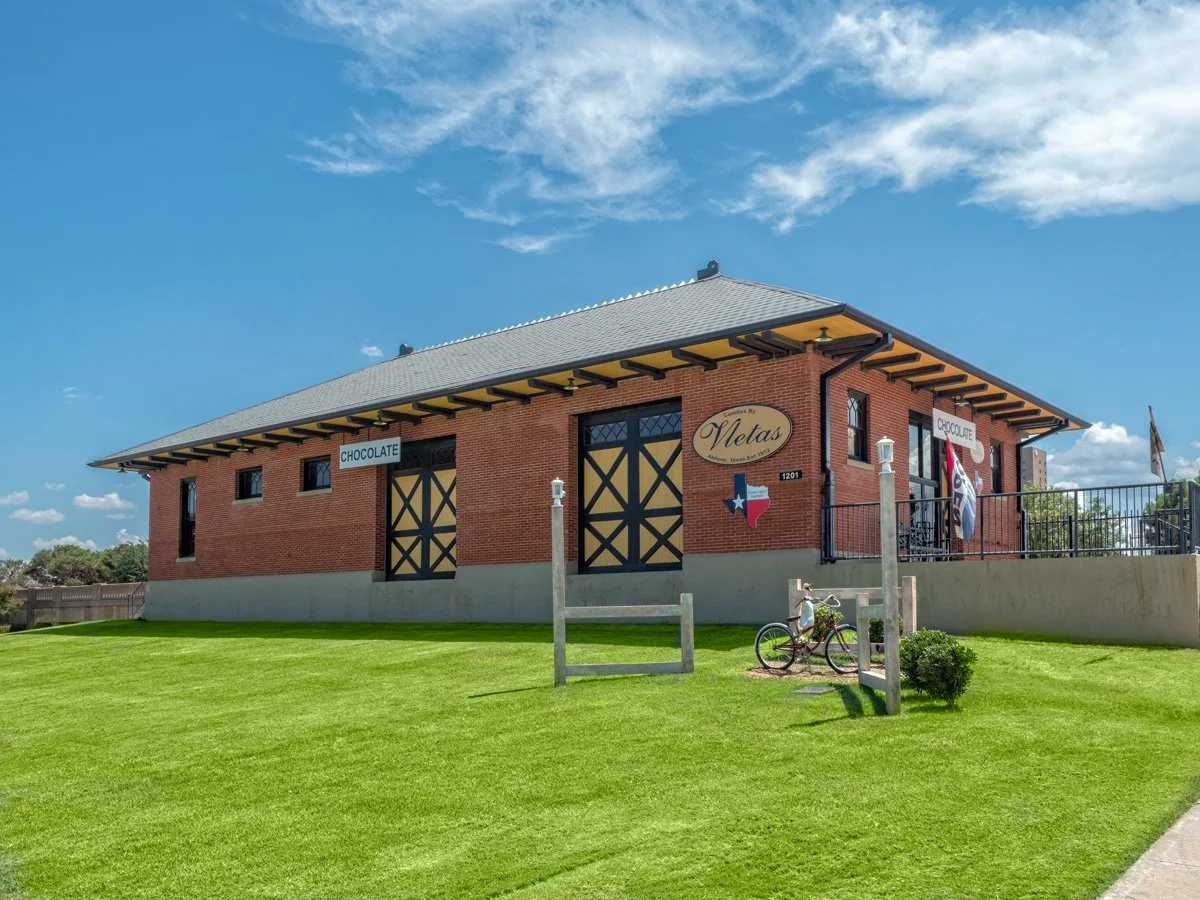
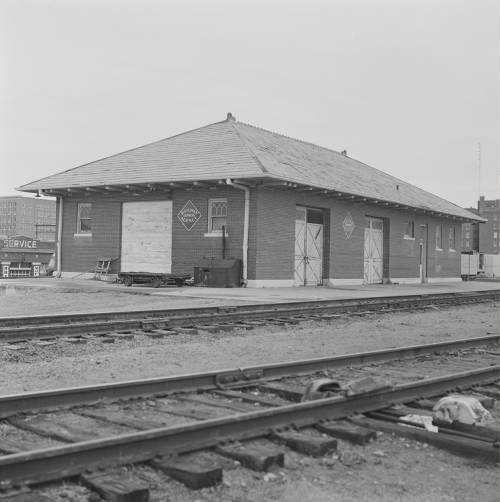
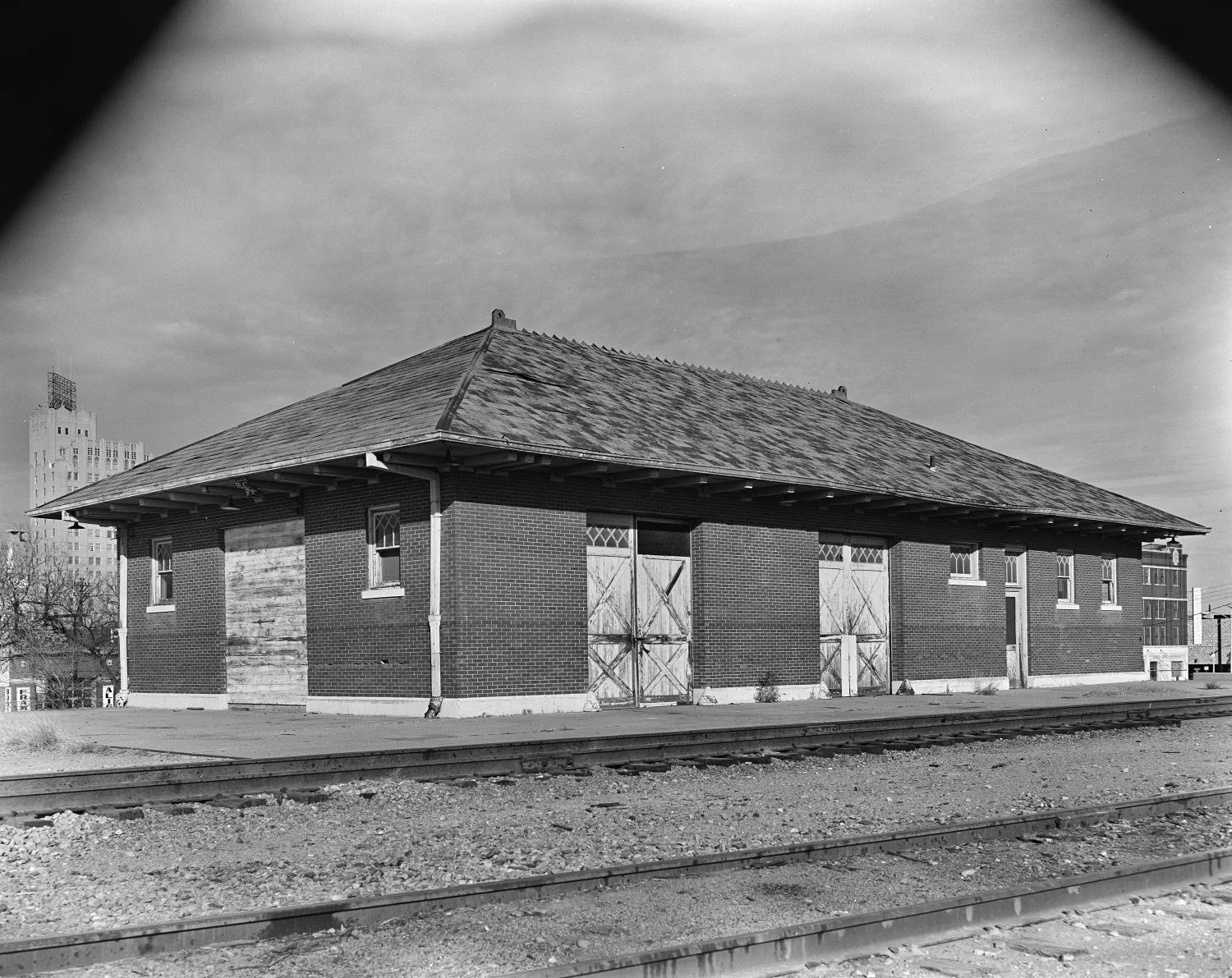
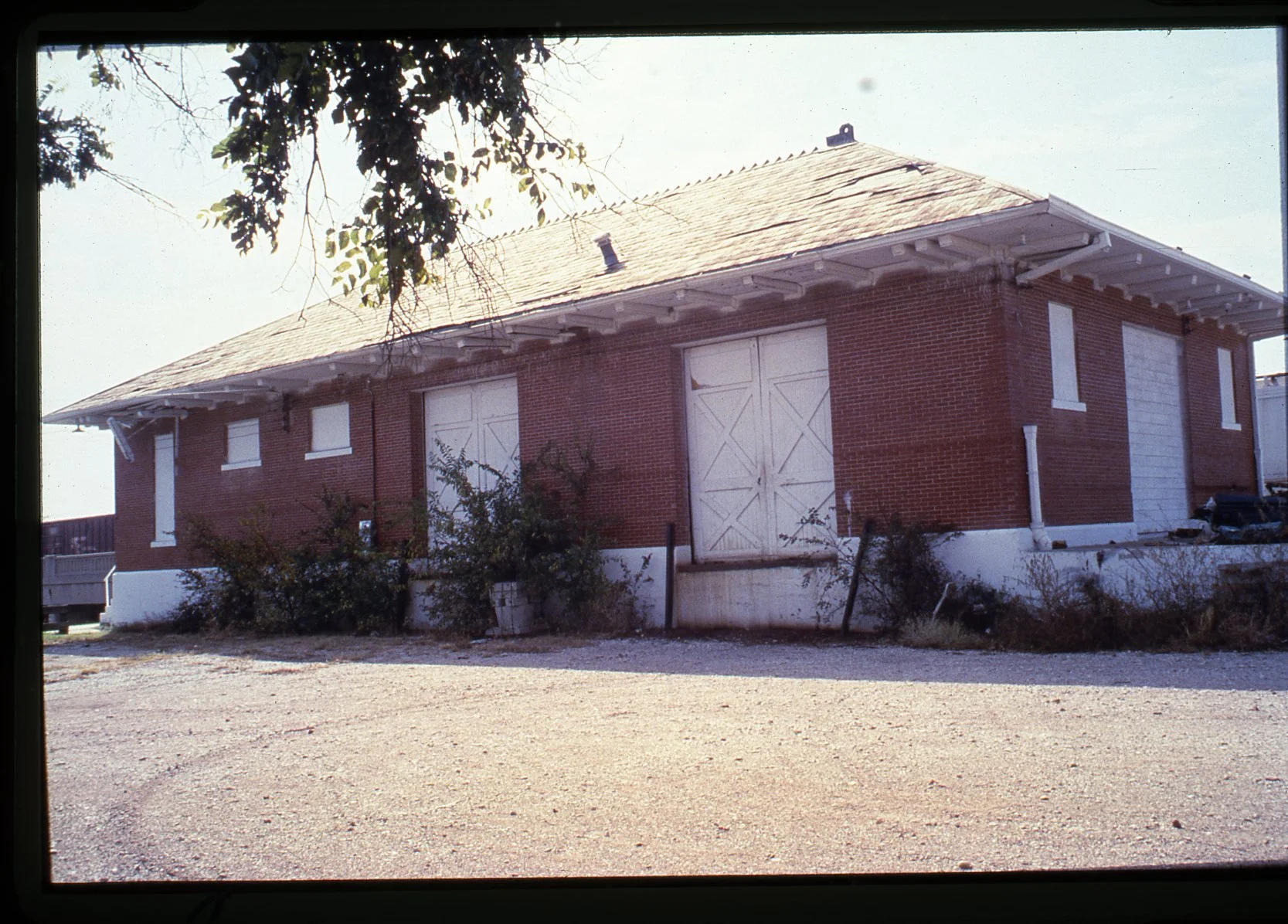
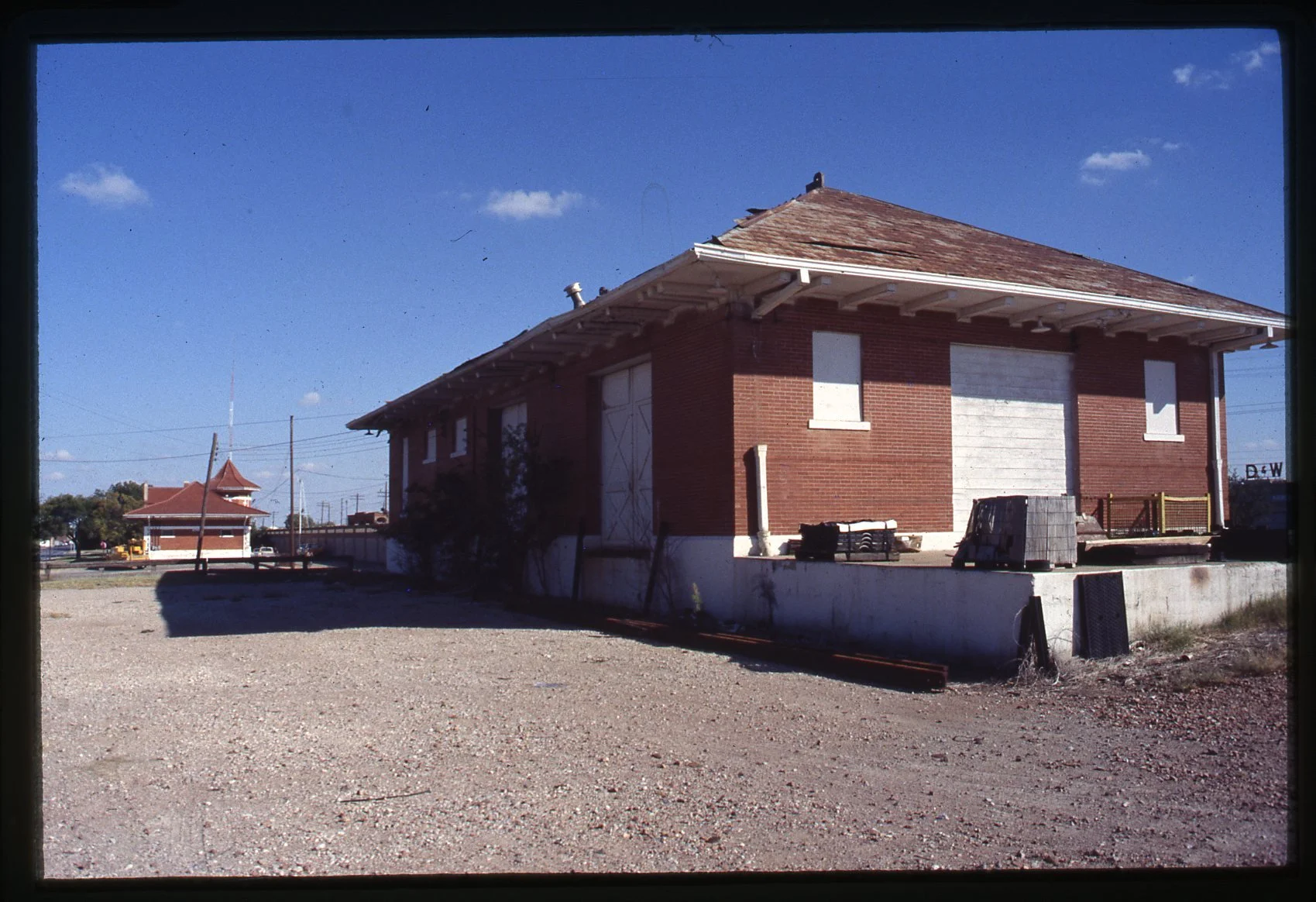
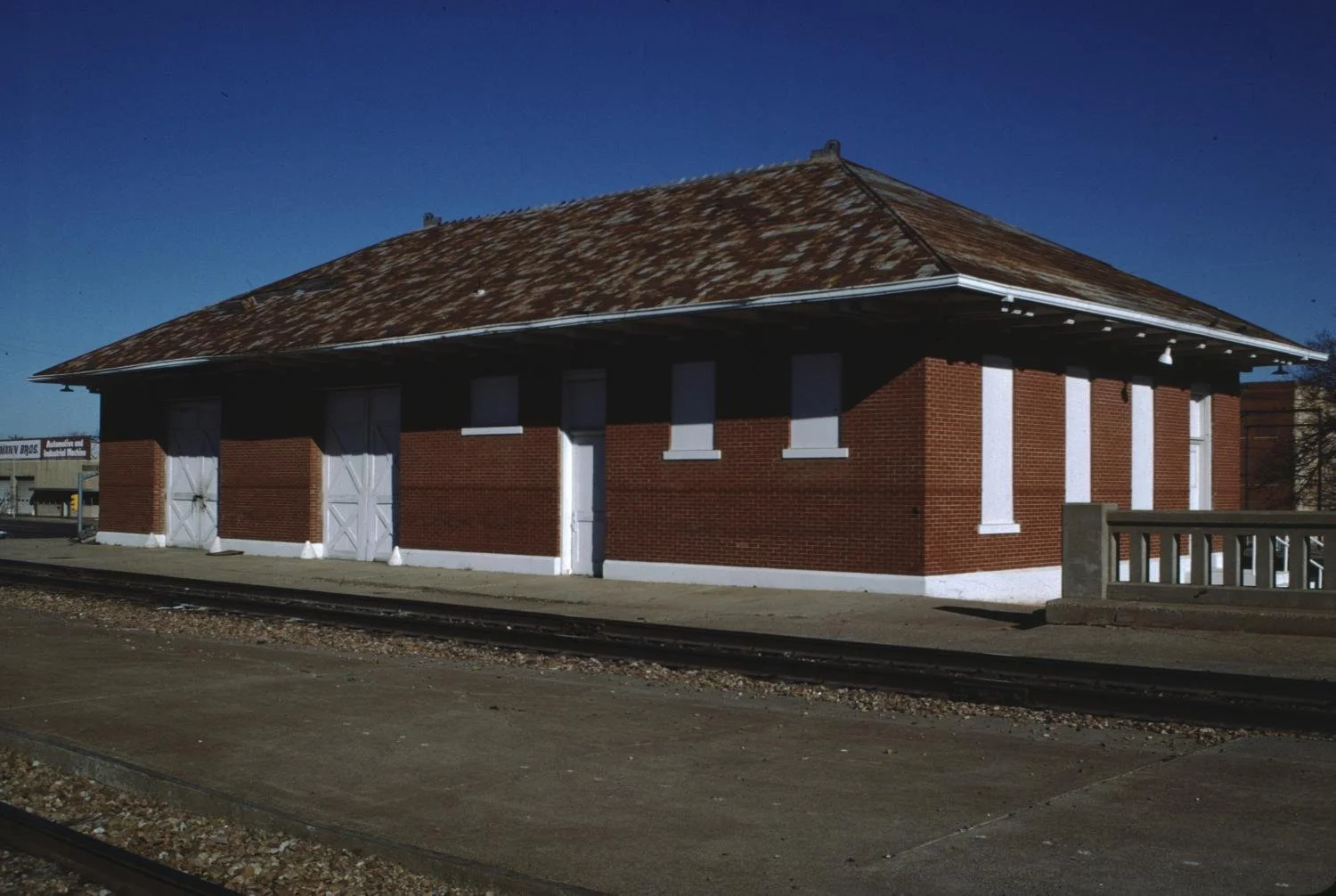
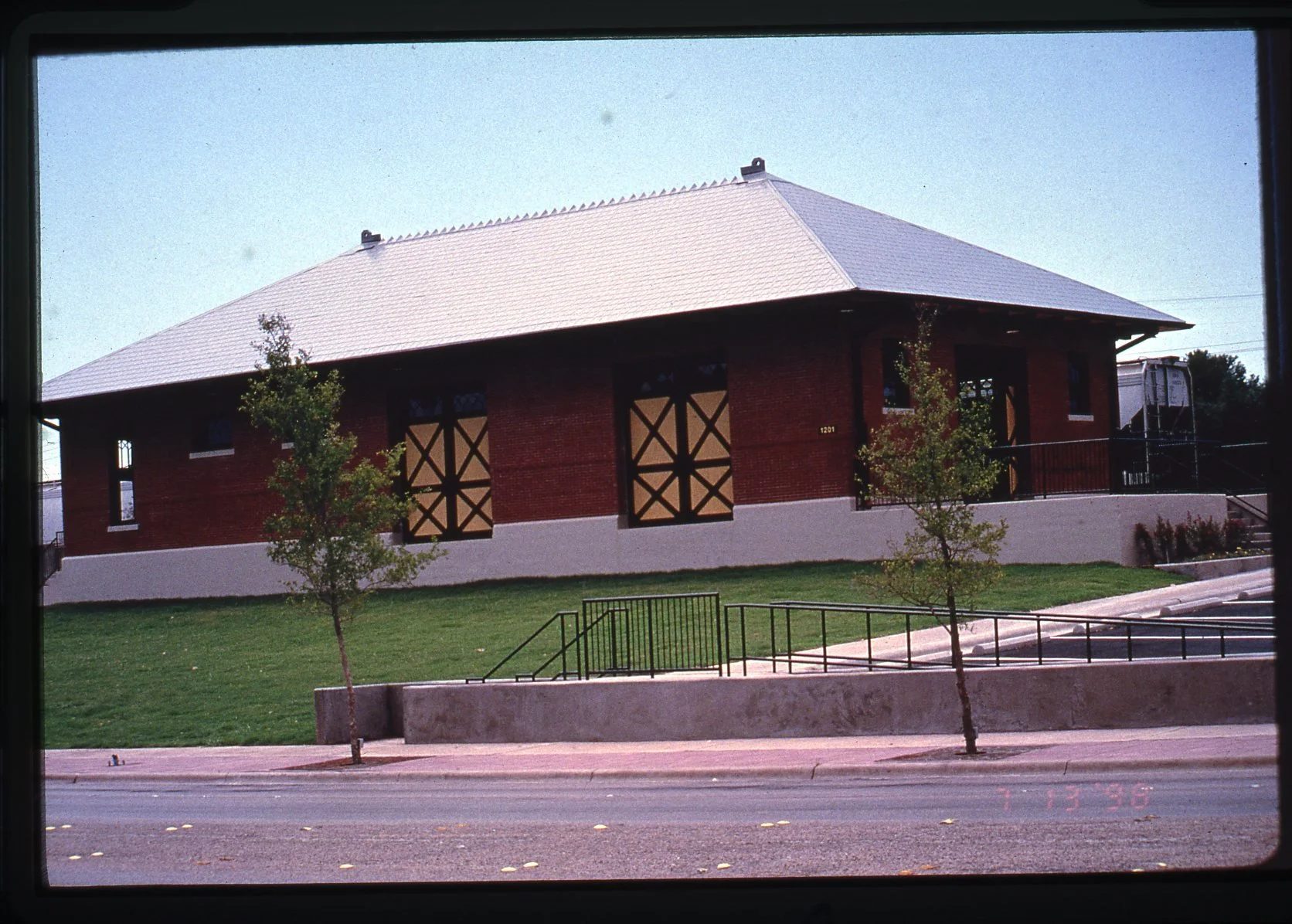
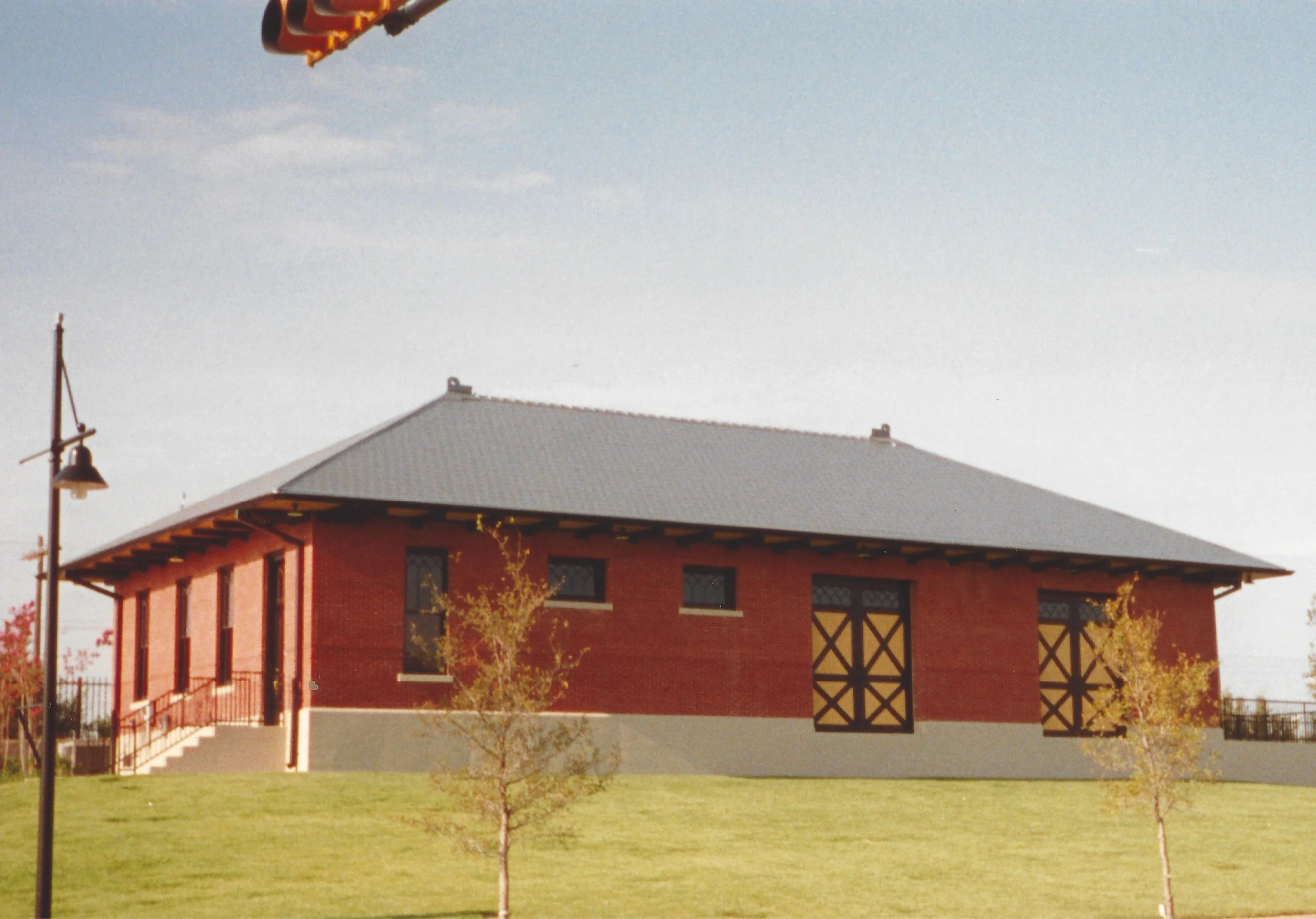
Located to the west of the T&P Train Depot, The Express building was completed in 1910 where it began serving Wells Fargo Express. In 1933, the City of Abilene and the T&P announced a $255,000 underpass/mainline project. Both entities opted to raise the T&P mainline through Abilene by 8ft which required the relocation of the Express building. Construction officially began on January 13, 1936. The building, now Railway Express Agency, was dismantled brick by brick from the east side of Cedar St. and rebuilt using the same materials on the west side of Cedar St..
The Abilene Preservation League preserved the building In 1998. It is now home to Candies by Vletas, a historical candy company established in Abilene in 1912.
-
Description text goes here
Texas & Pacific Ry. Freight Depot
Credit: Abilene Preservation League Archives
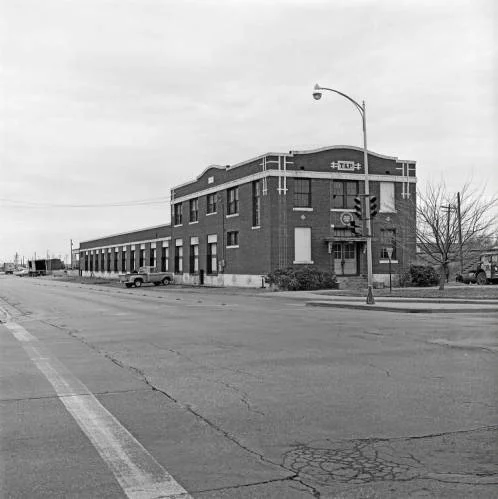
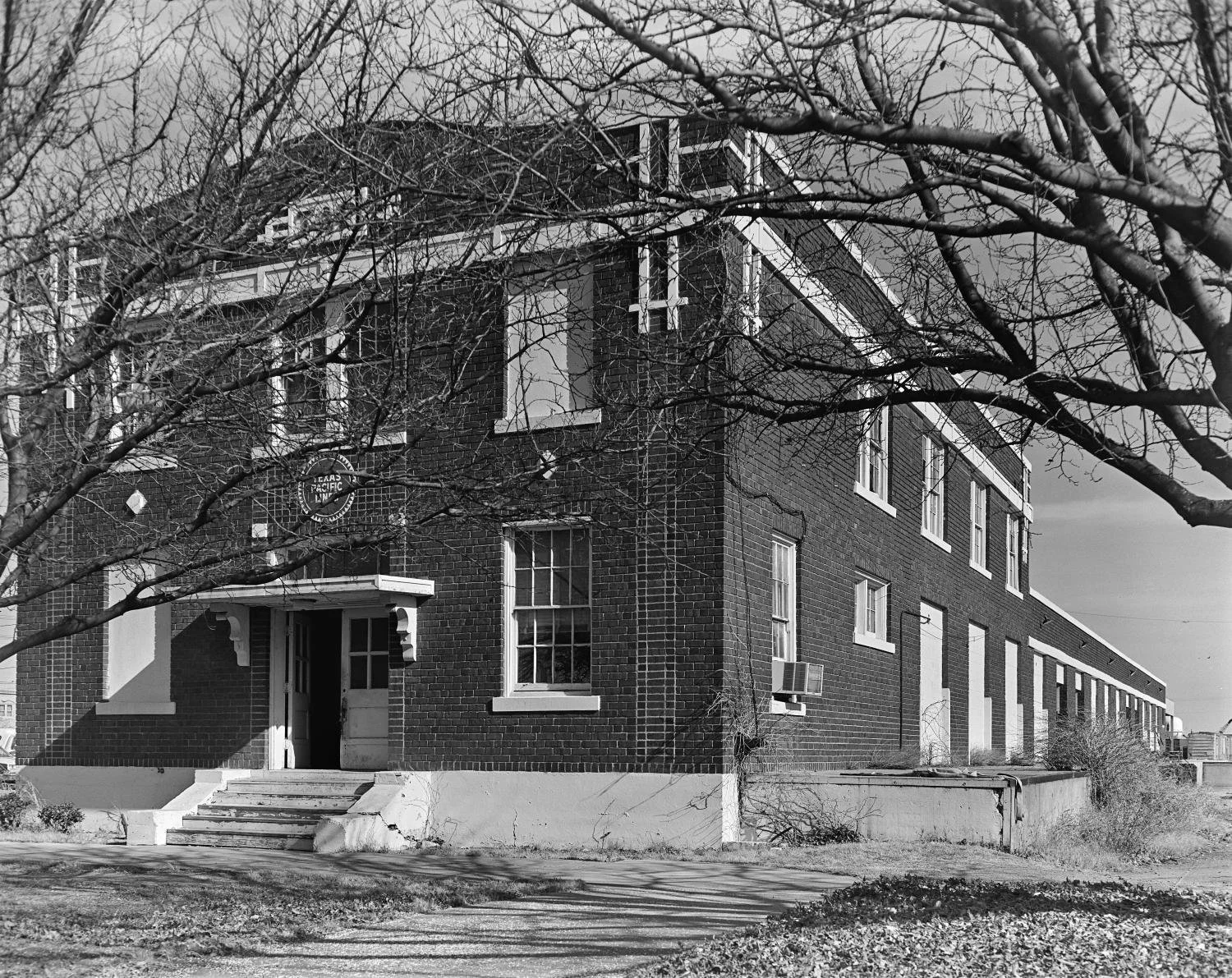
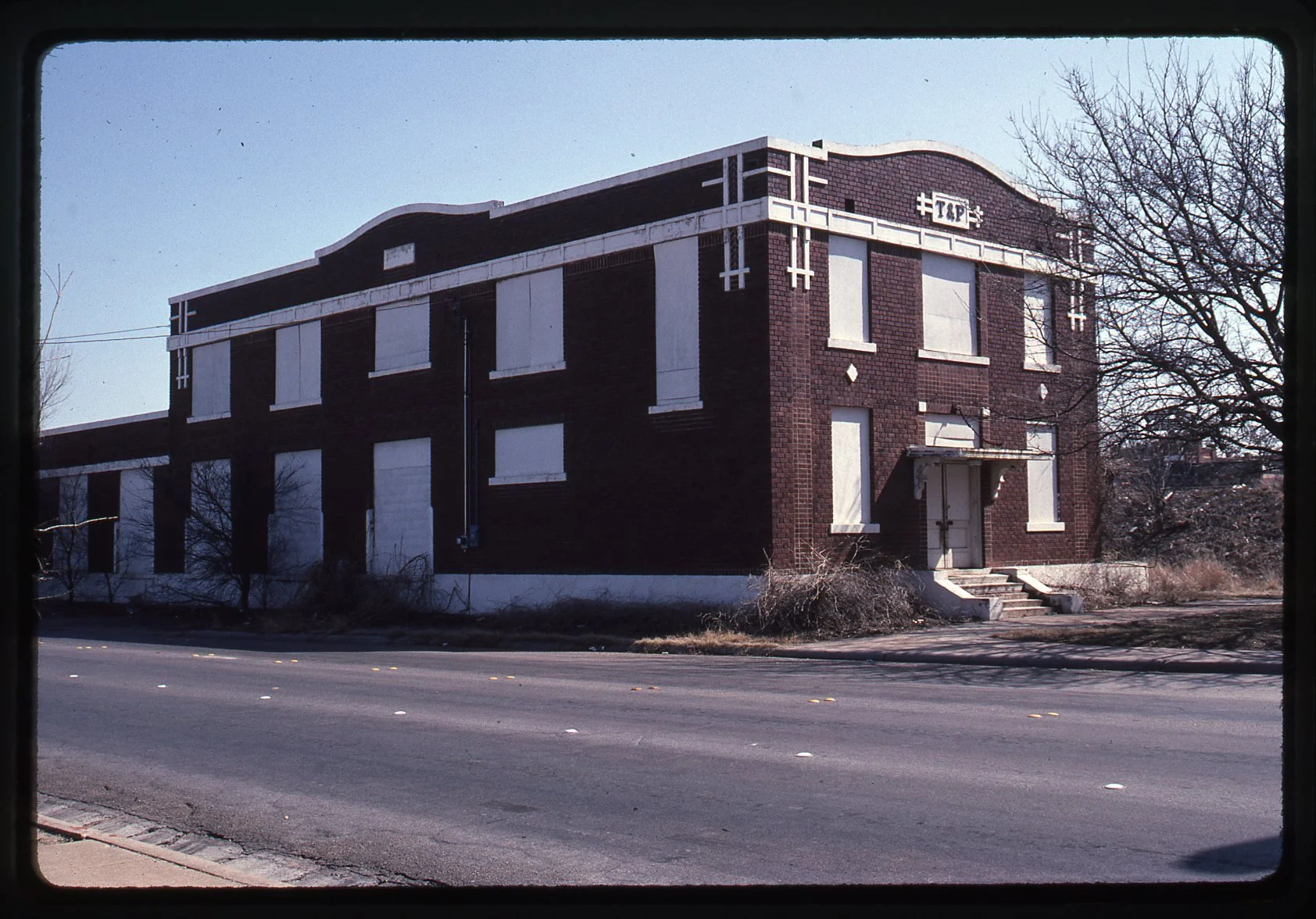
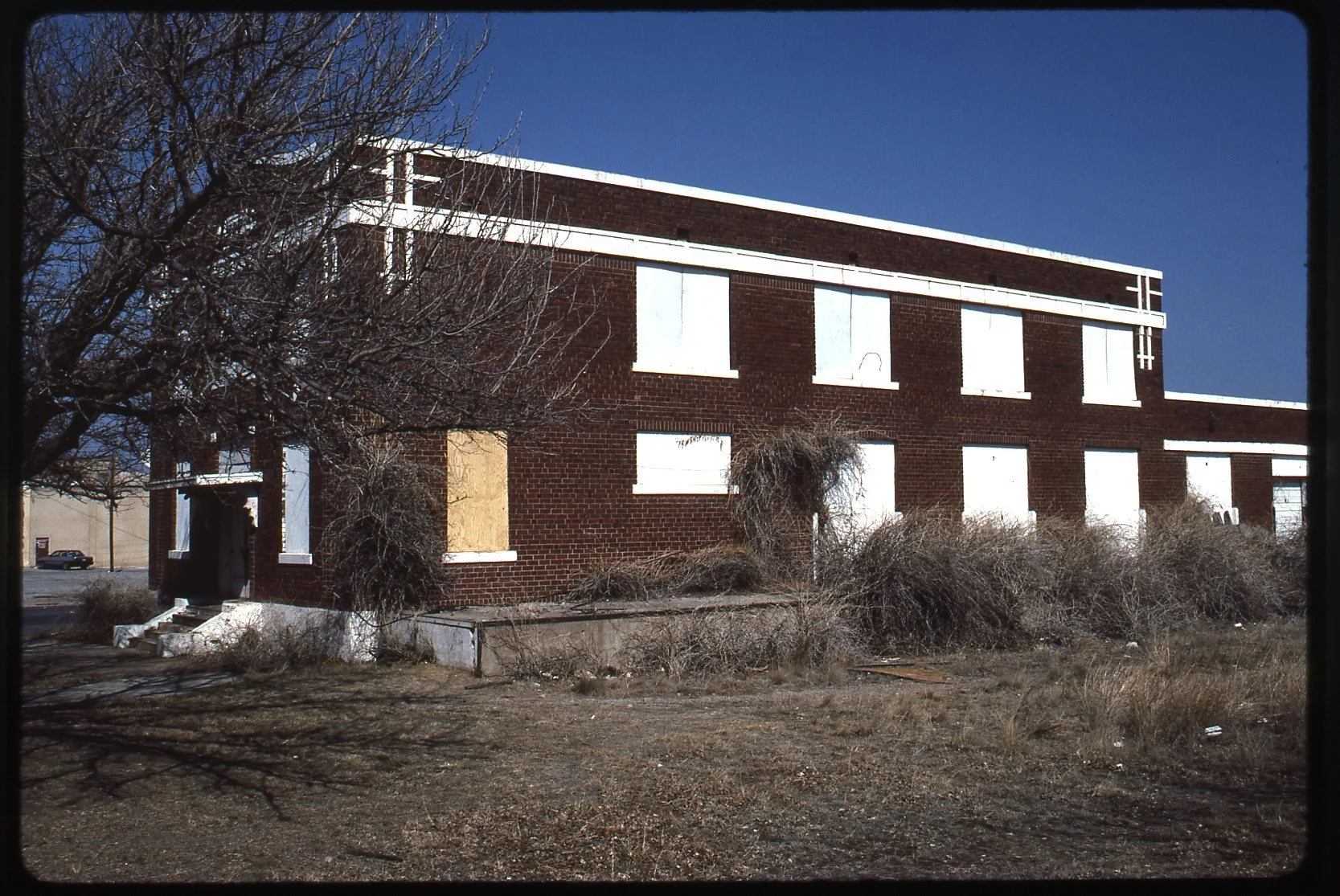
901 North First Street
Built: 1918
Style: Art Deco, Art Moderne
Occupant:
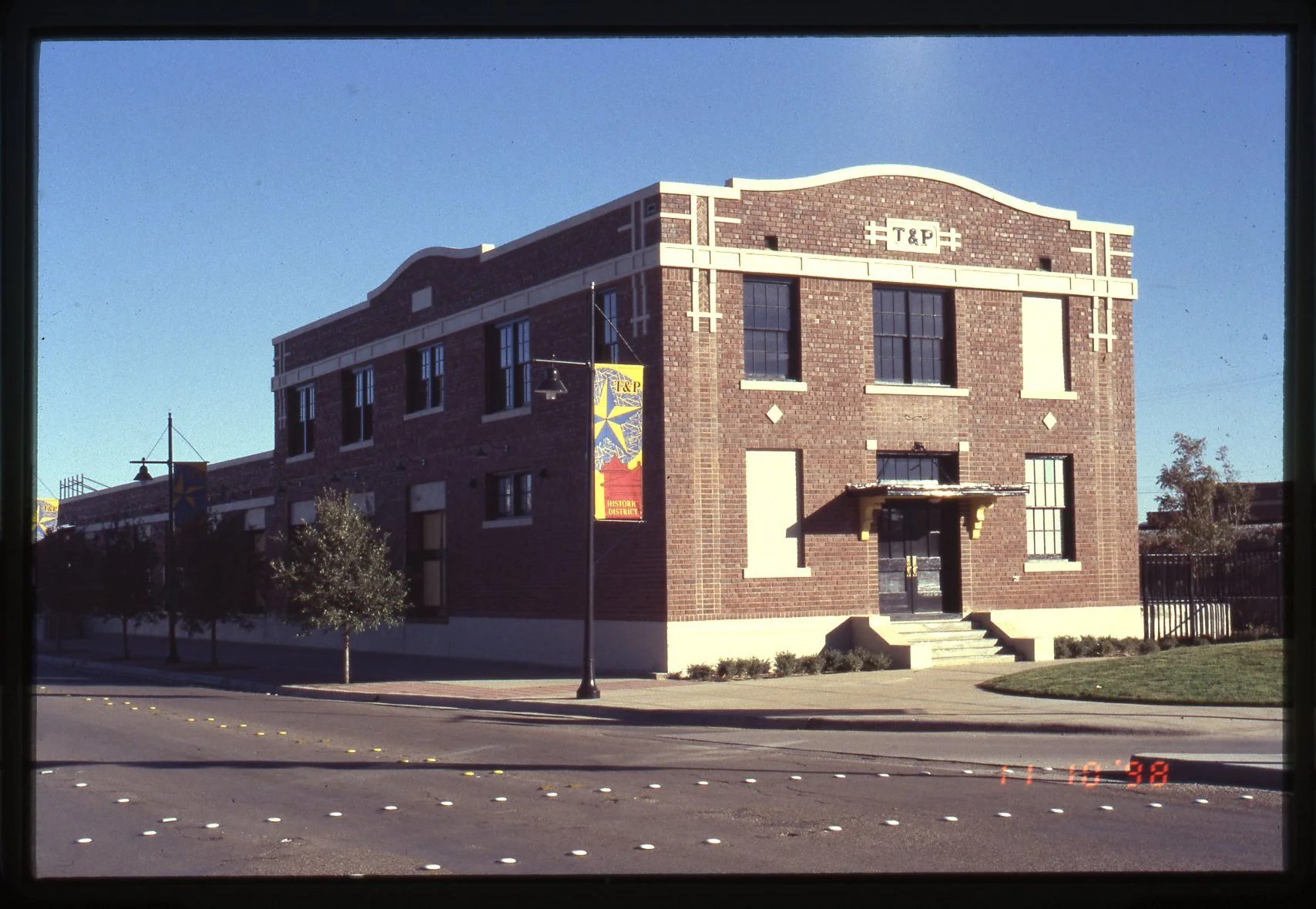
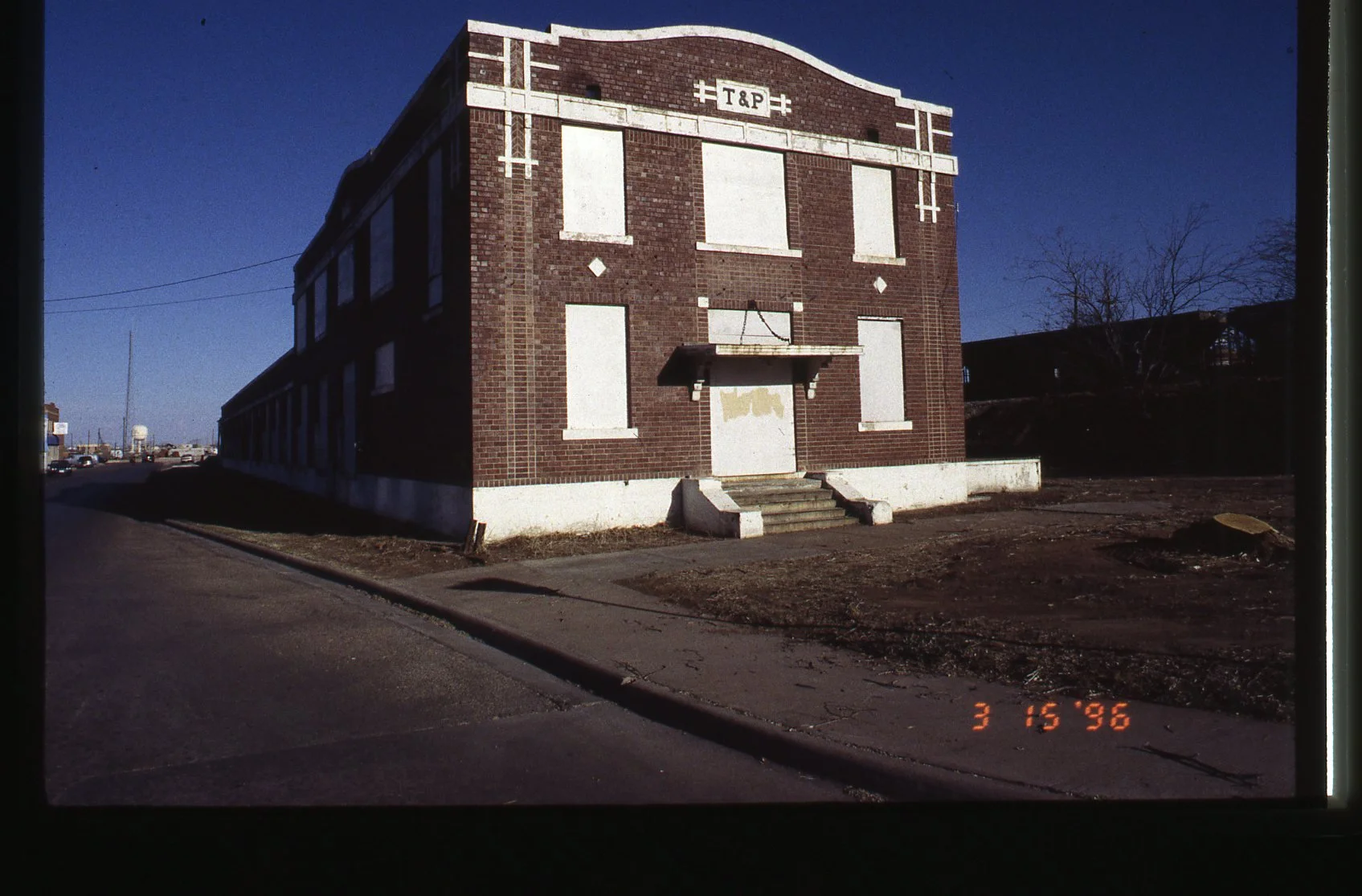
The Texas & Pacific Railway (T&P) Freight Depot was completed in 1918 as part of T&P's $50,000 yard upgrade and improvement project announced in 1915. This came as freight numbers recorded were 1000 tons per capita above El Paso. Construction of the structure officially began on October 9th, 1917, by the Watson Bros. Construction company of Dallas. The depot was completed around March 12, 1918, with the arrival of T&P officials inspecting the work. The new freight depot featured a telegraph office in the southwestern most corner of the first floor along with the main offices. An agent's office and cashier's cage were located on the second floor. The freight room was doubled in size from the previous structure with a size of 40ft wide and 260ft long.
The building anchors the southwest corner of the T&P Historic District and represents the importance of the railroad in Abilene’s history. The Abilene Preservation League preserved the property in 1999.
-
Description text goes here
Elks Lodge
Credit: Steve Butman Photography
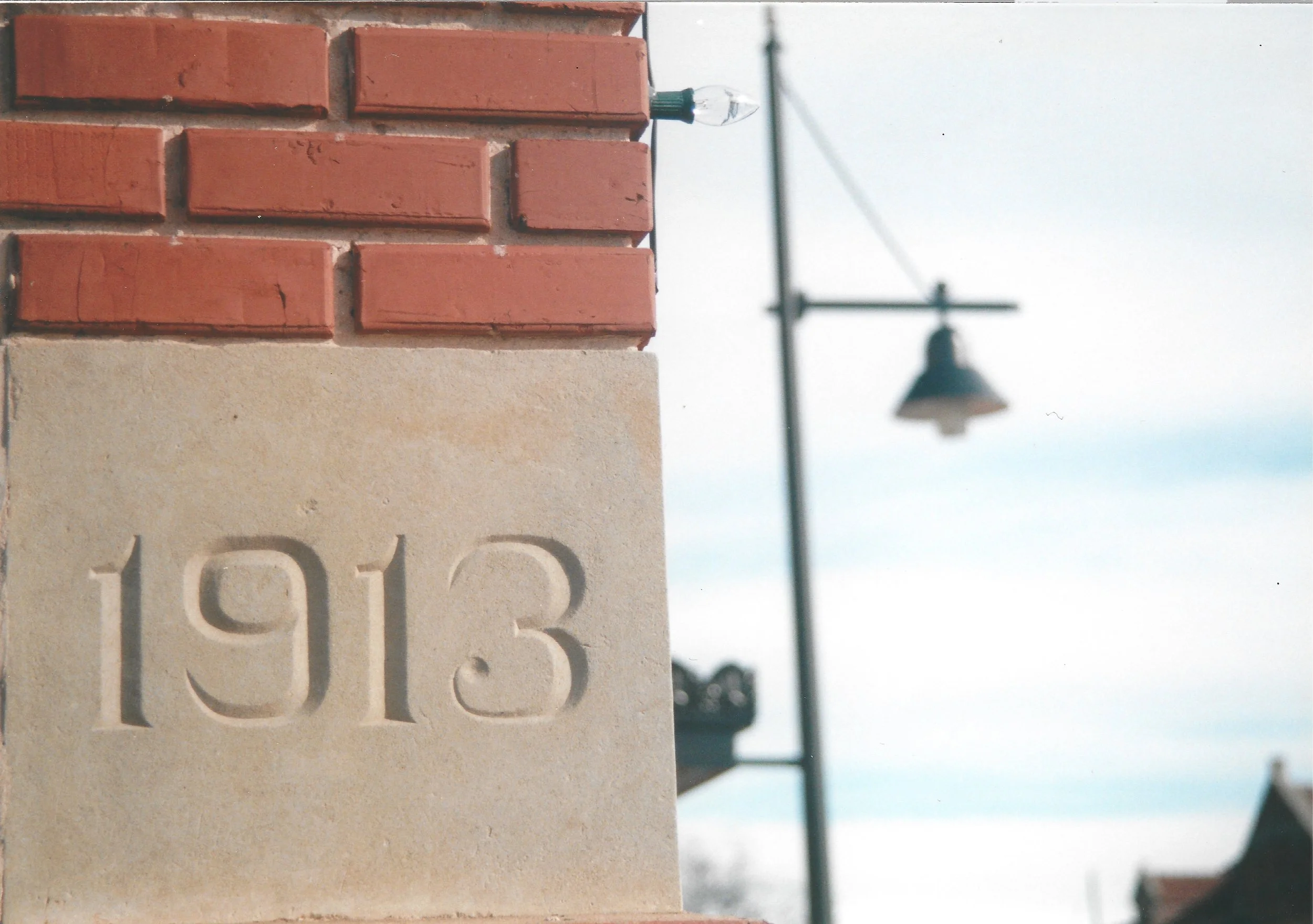
1174 North First Street
Built: 1913
Style: Italianate, Romanesque Revival
Occupants: Abilene Preservation League | Wiley’s Property Services
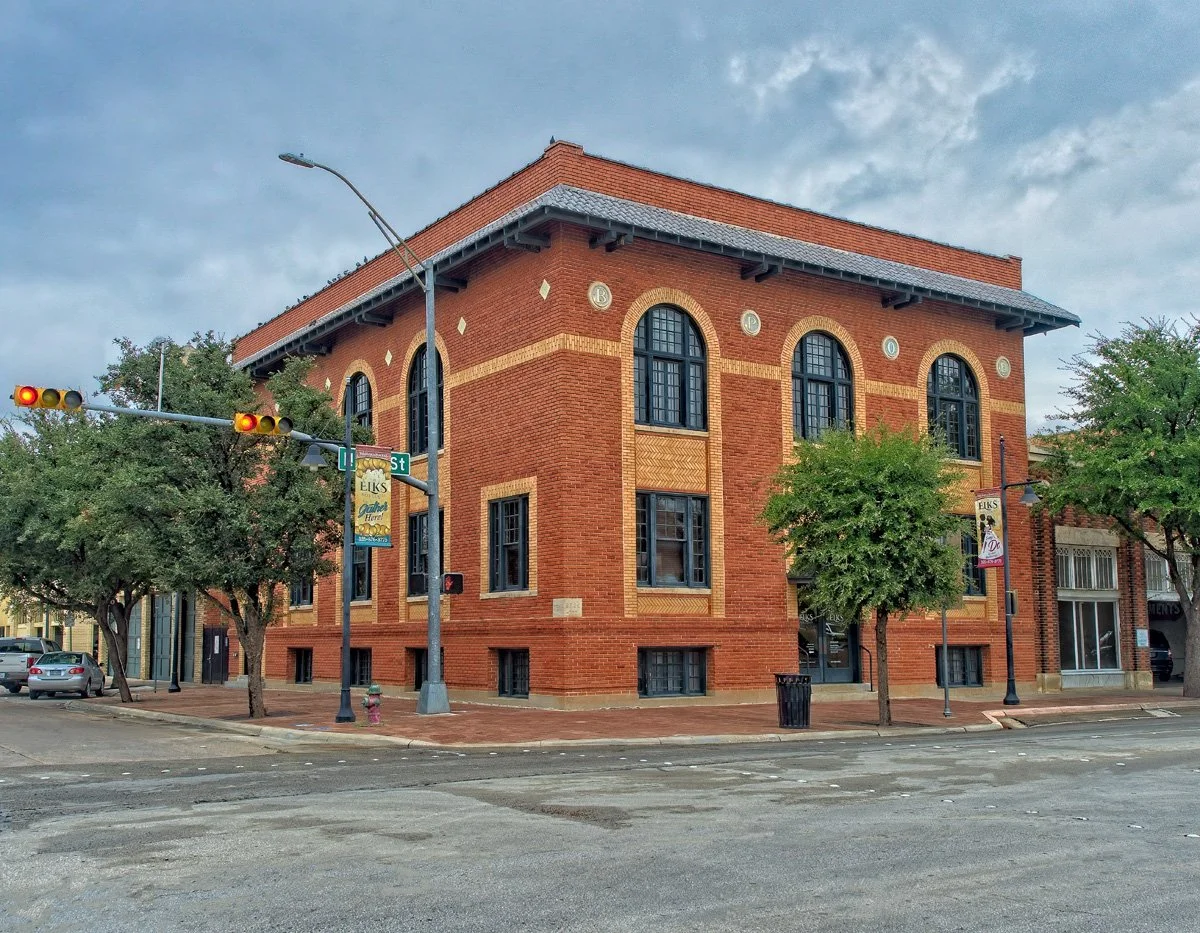
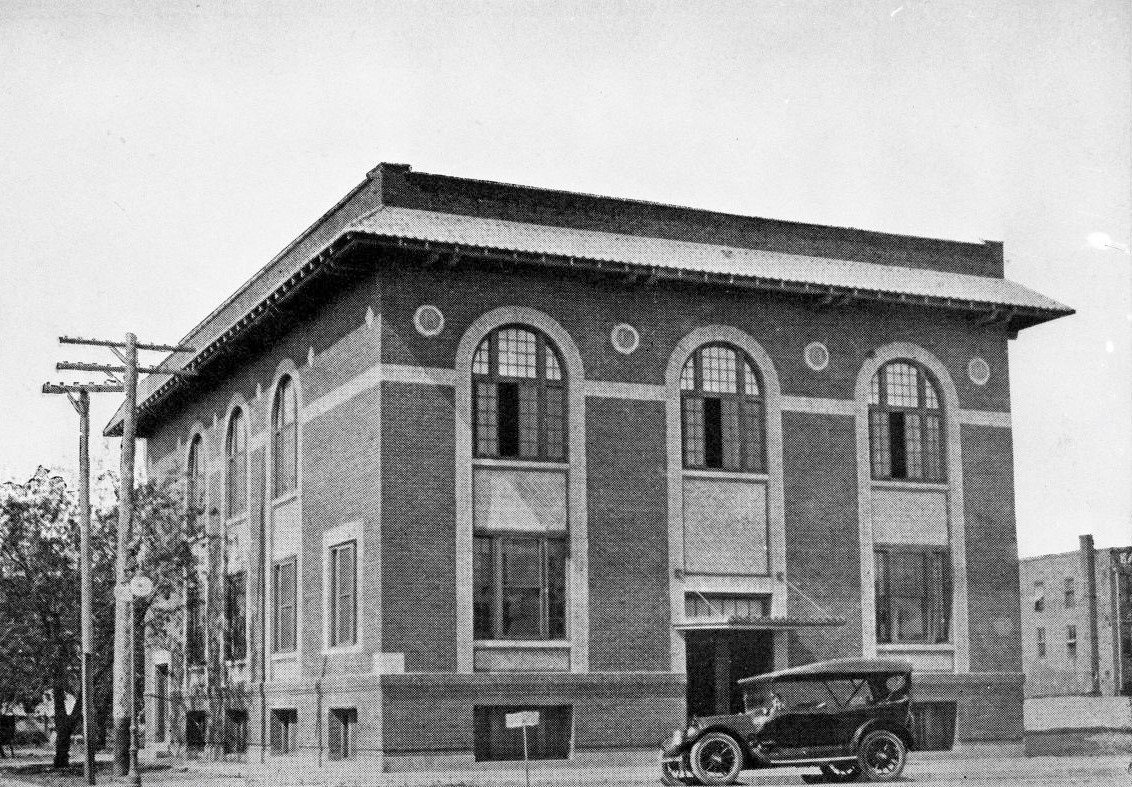
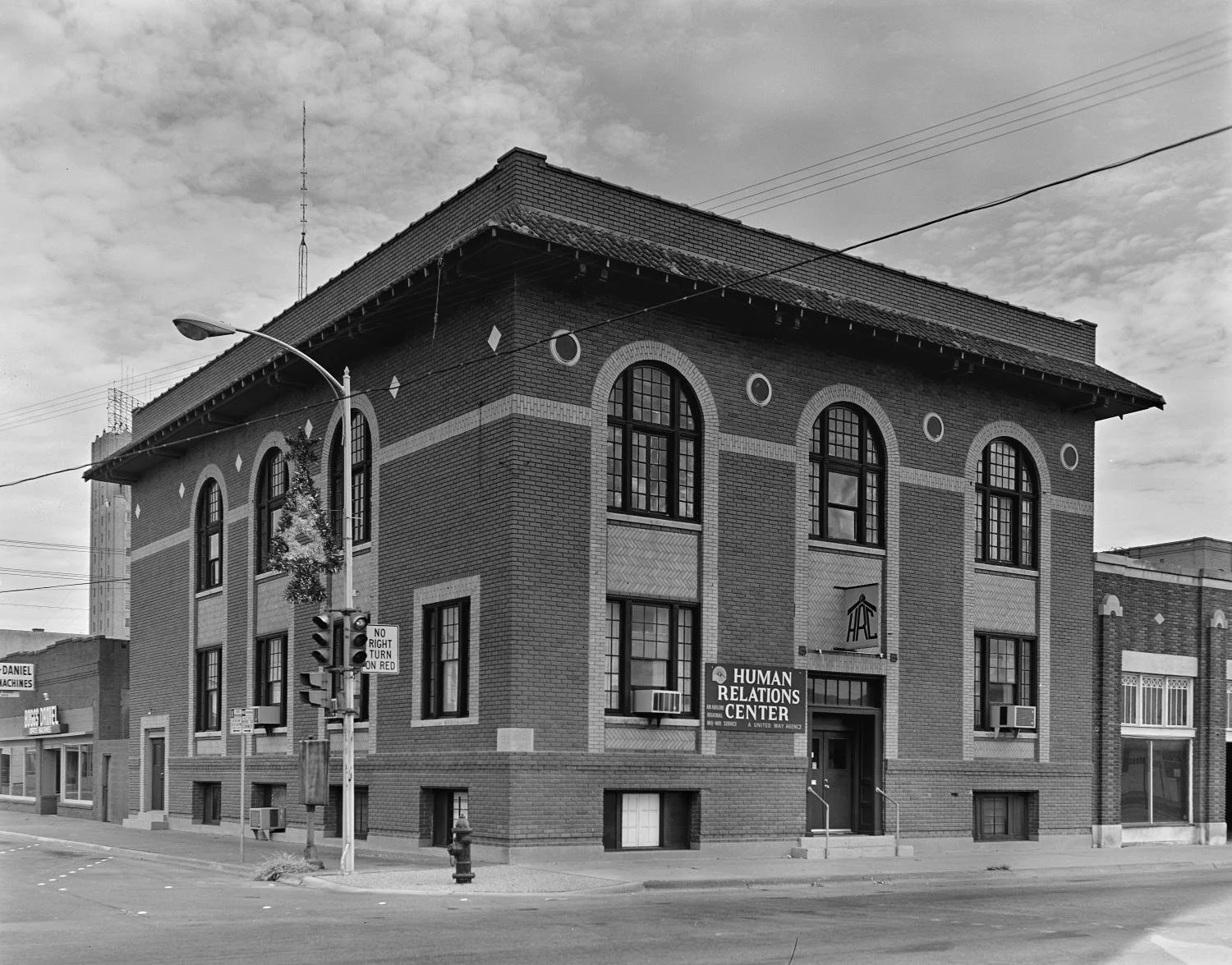
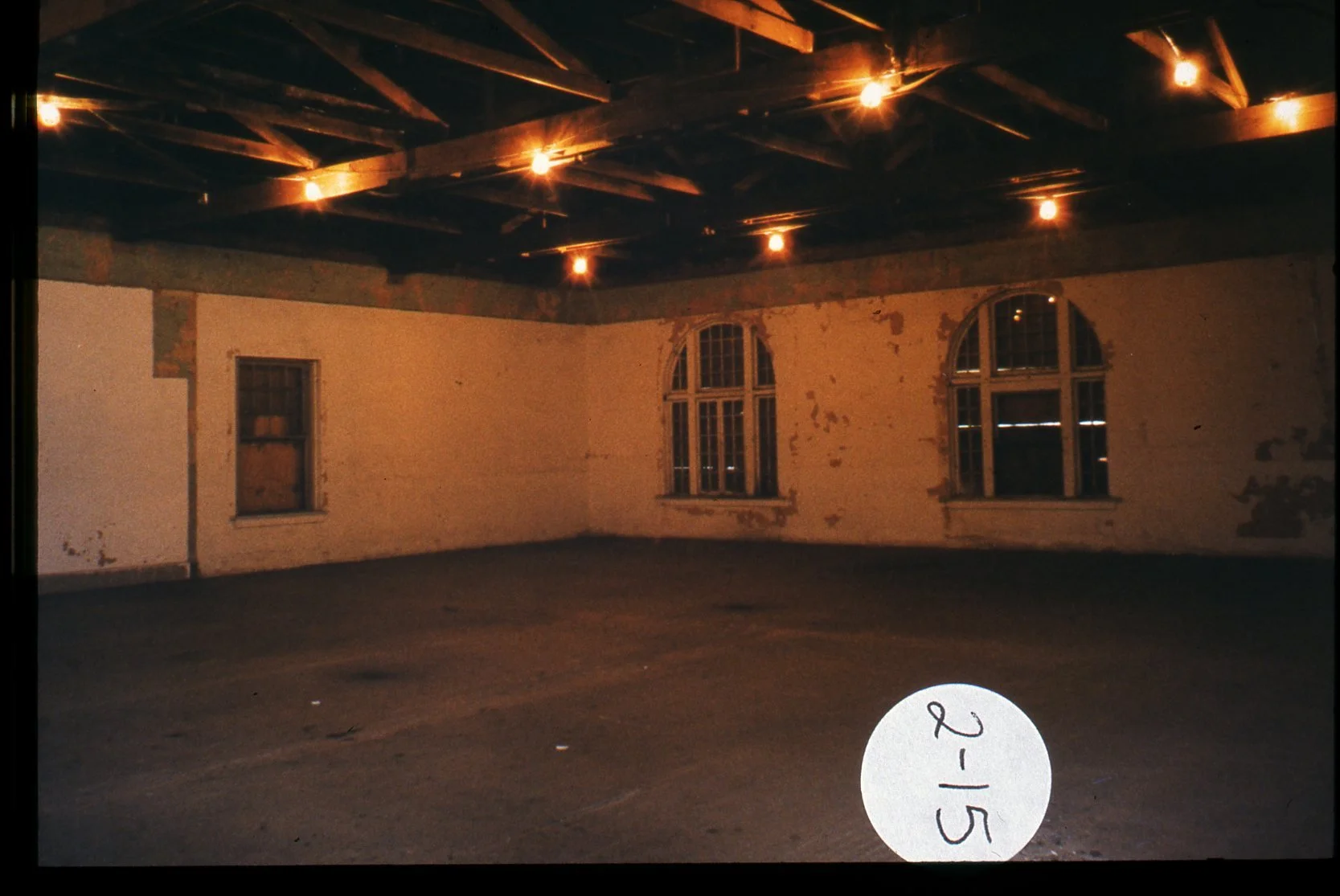
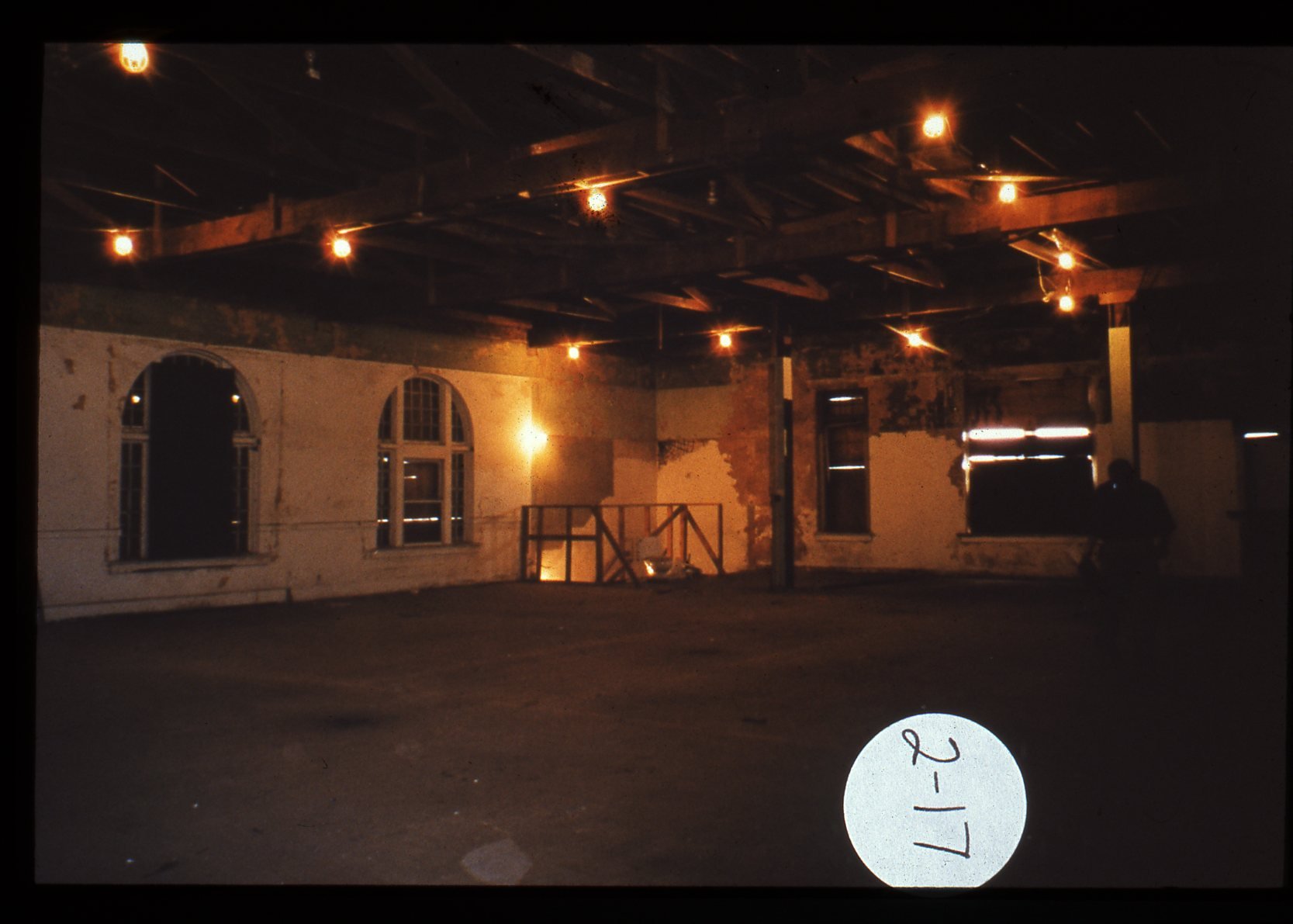
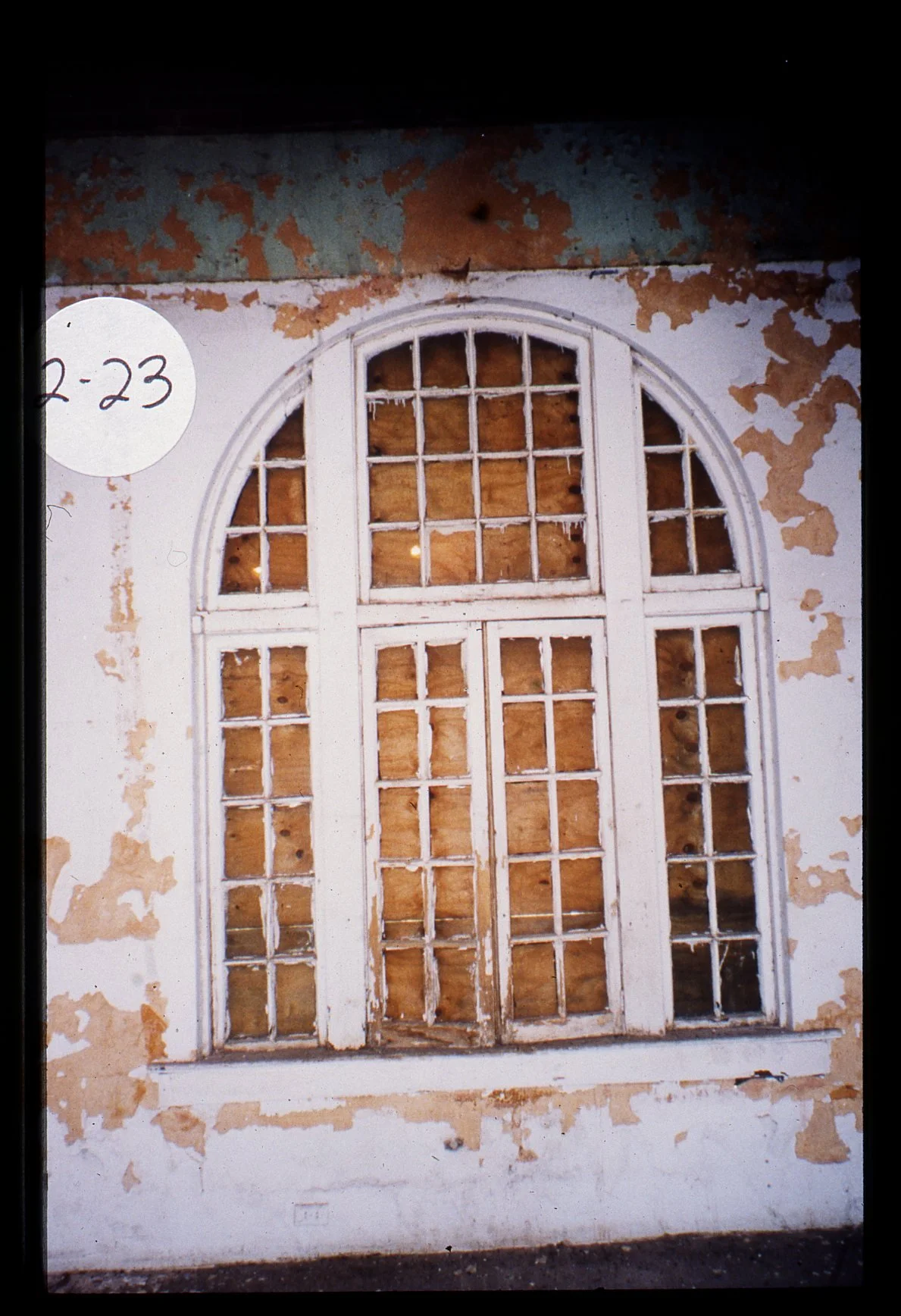
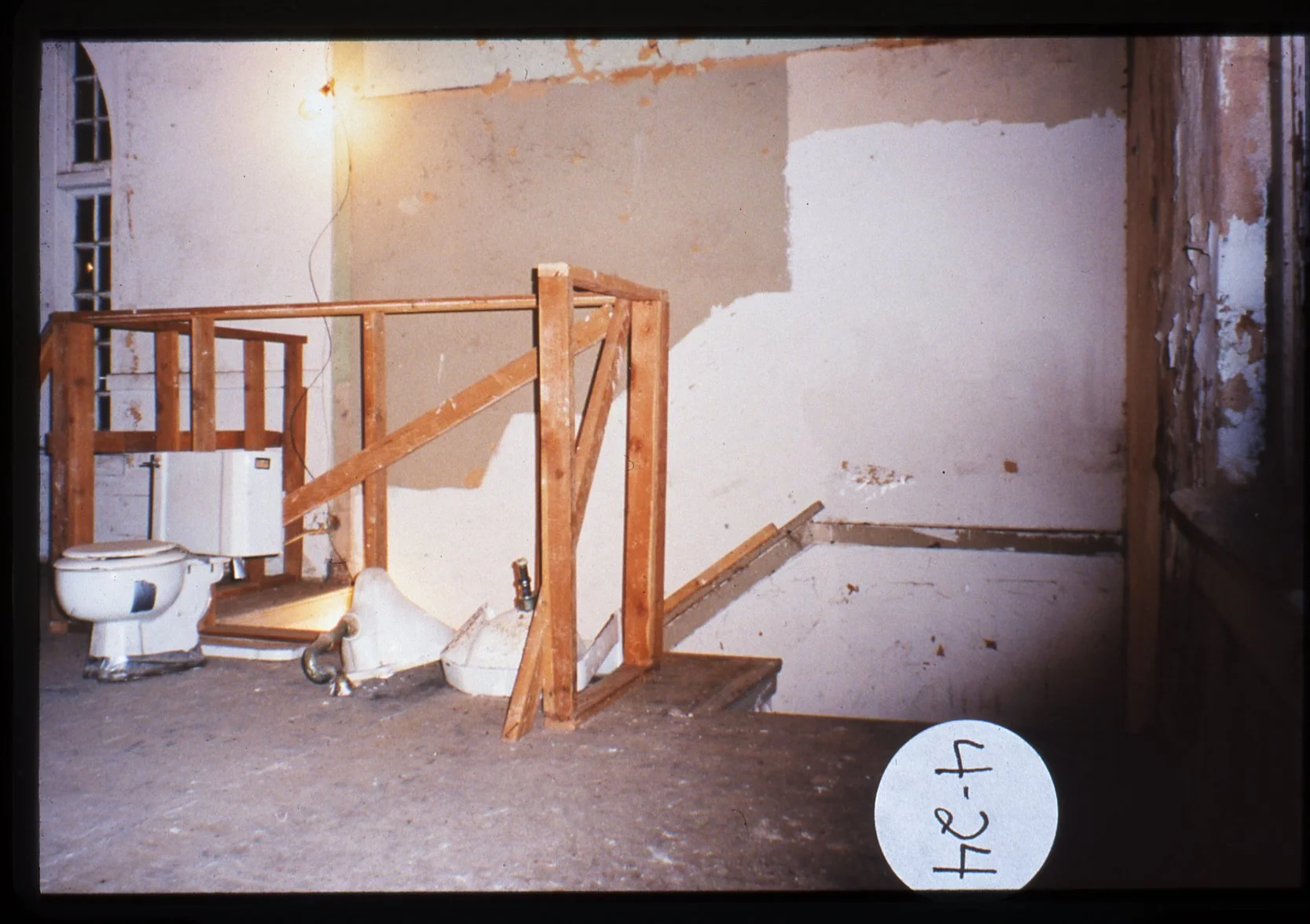
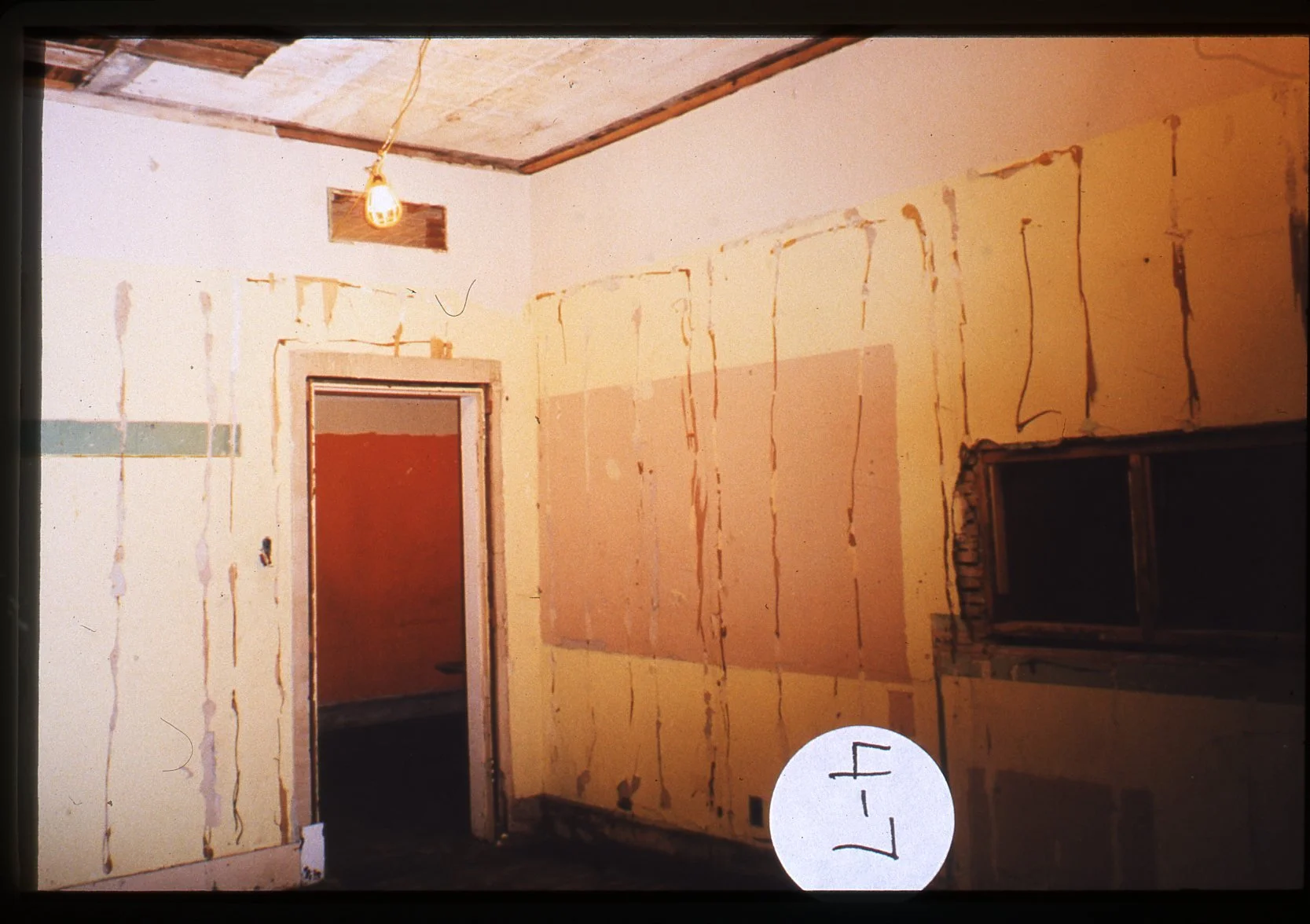
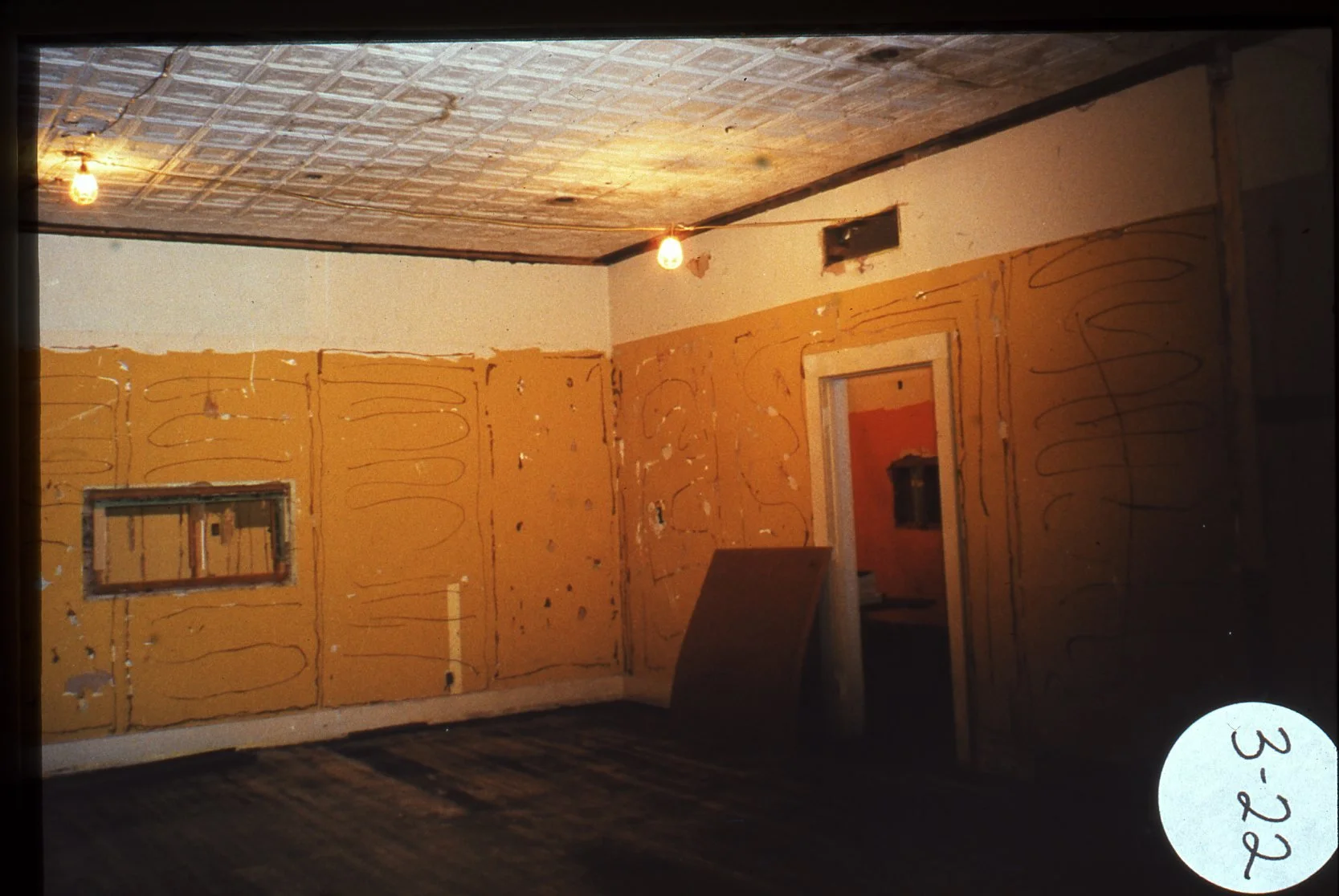
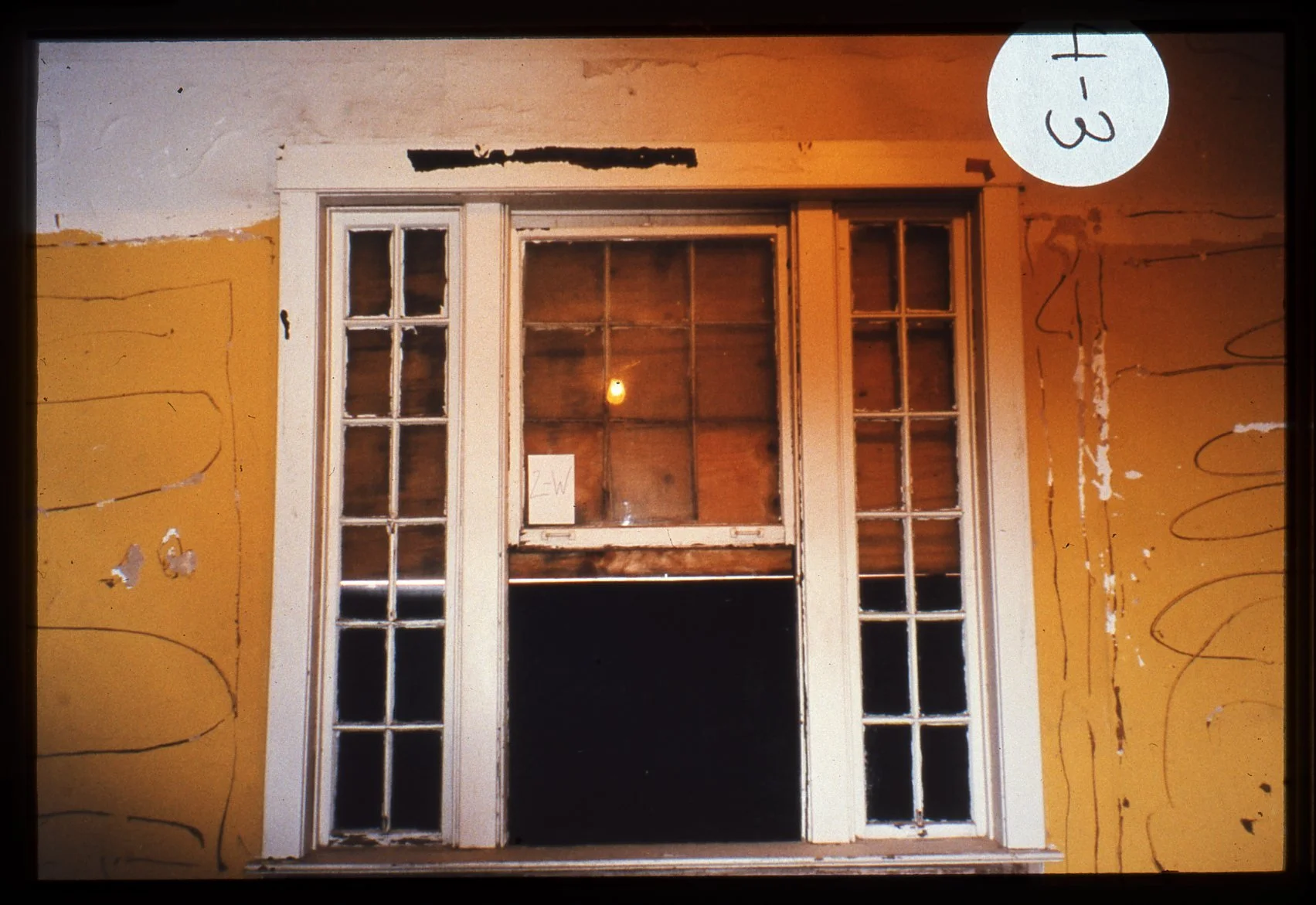
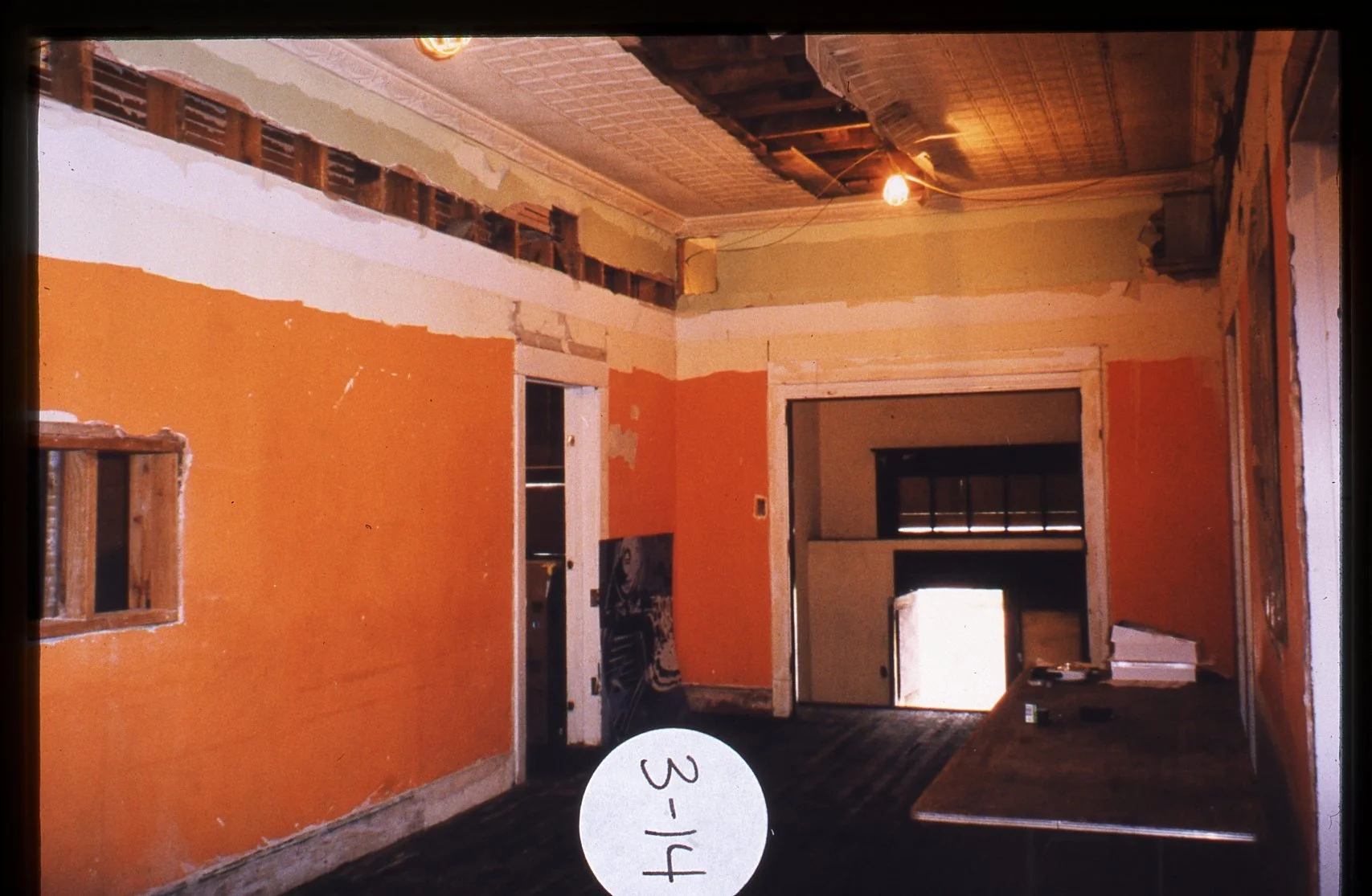
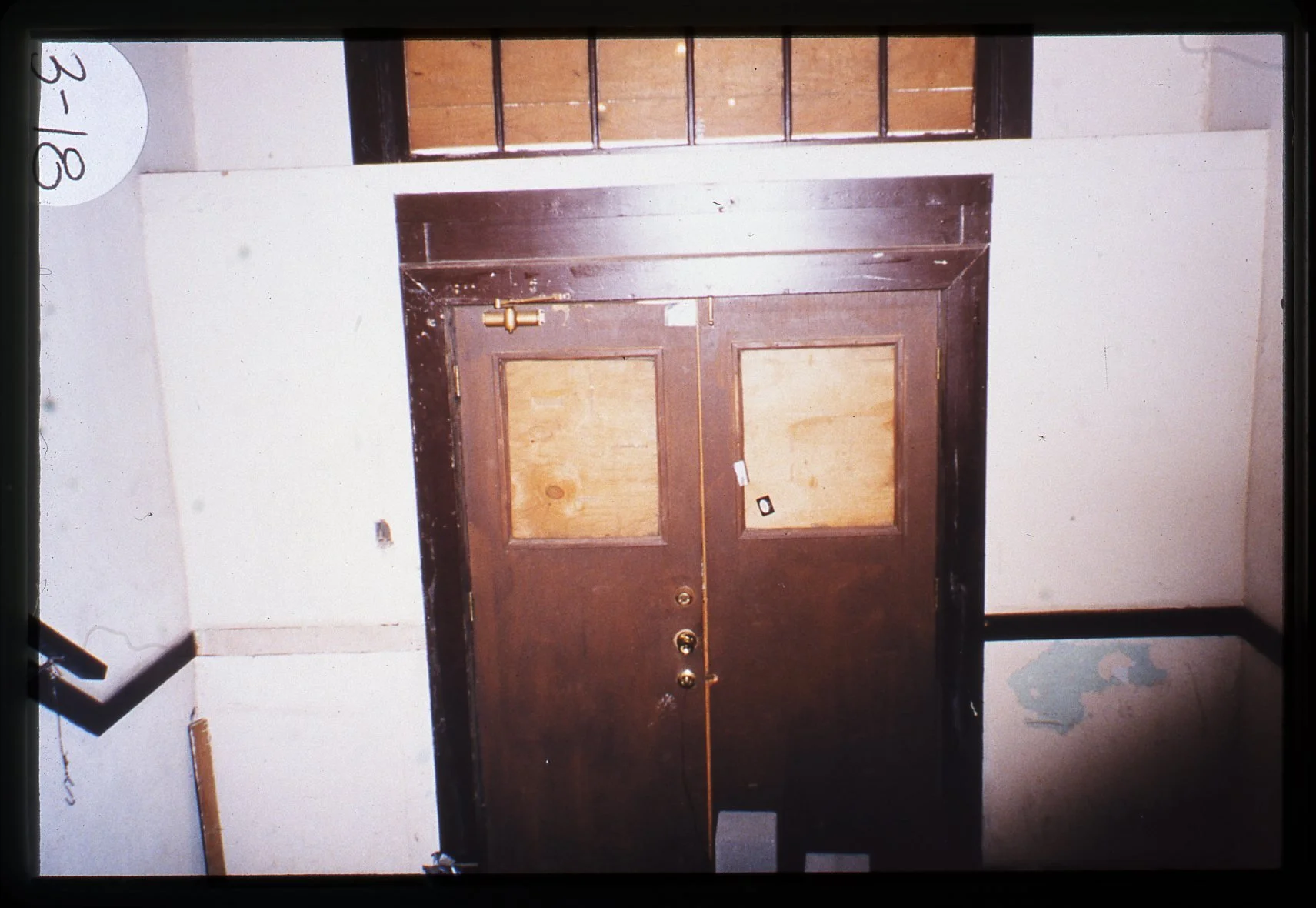
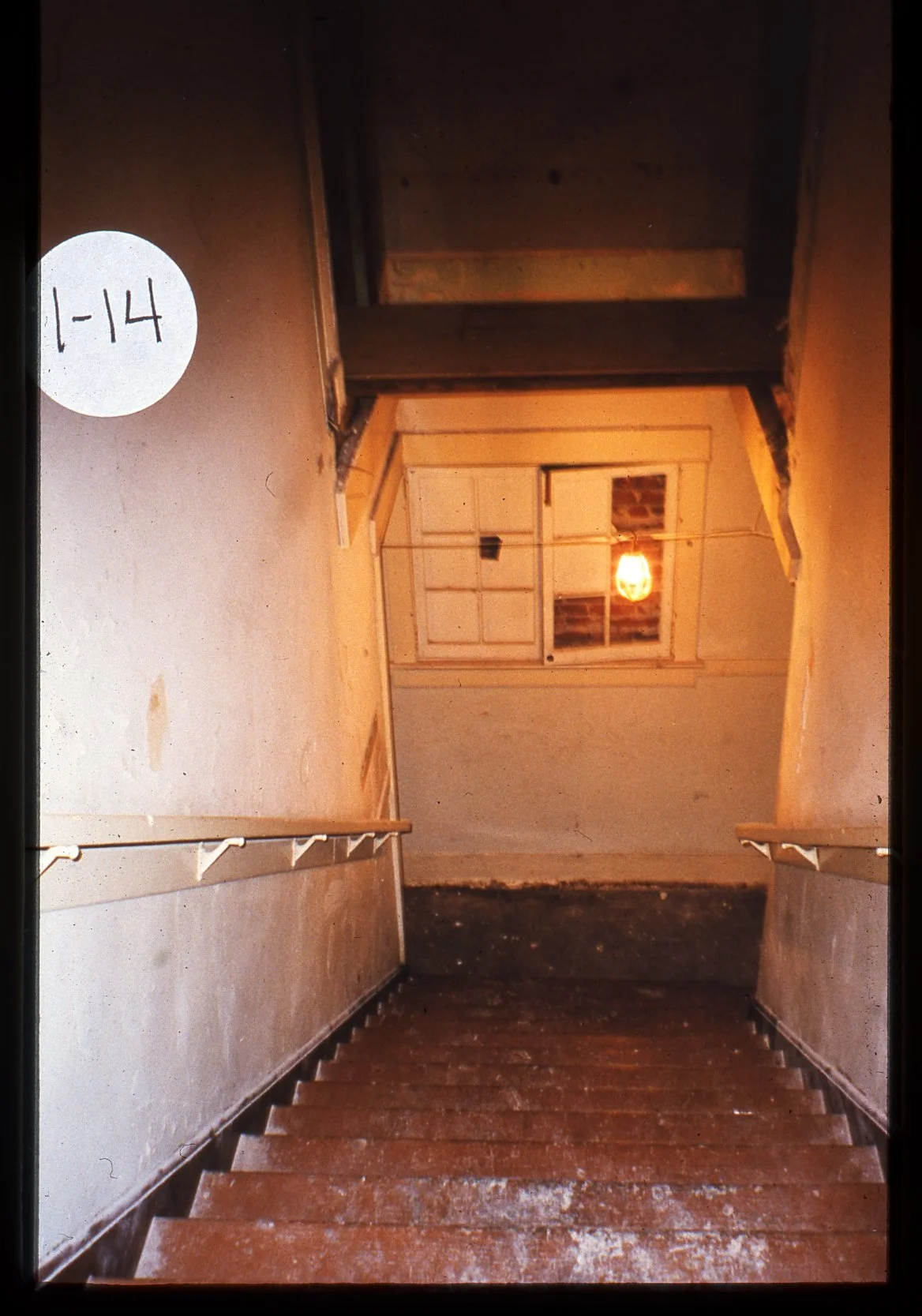
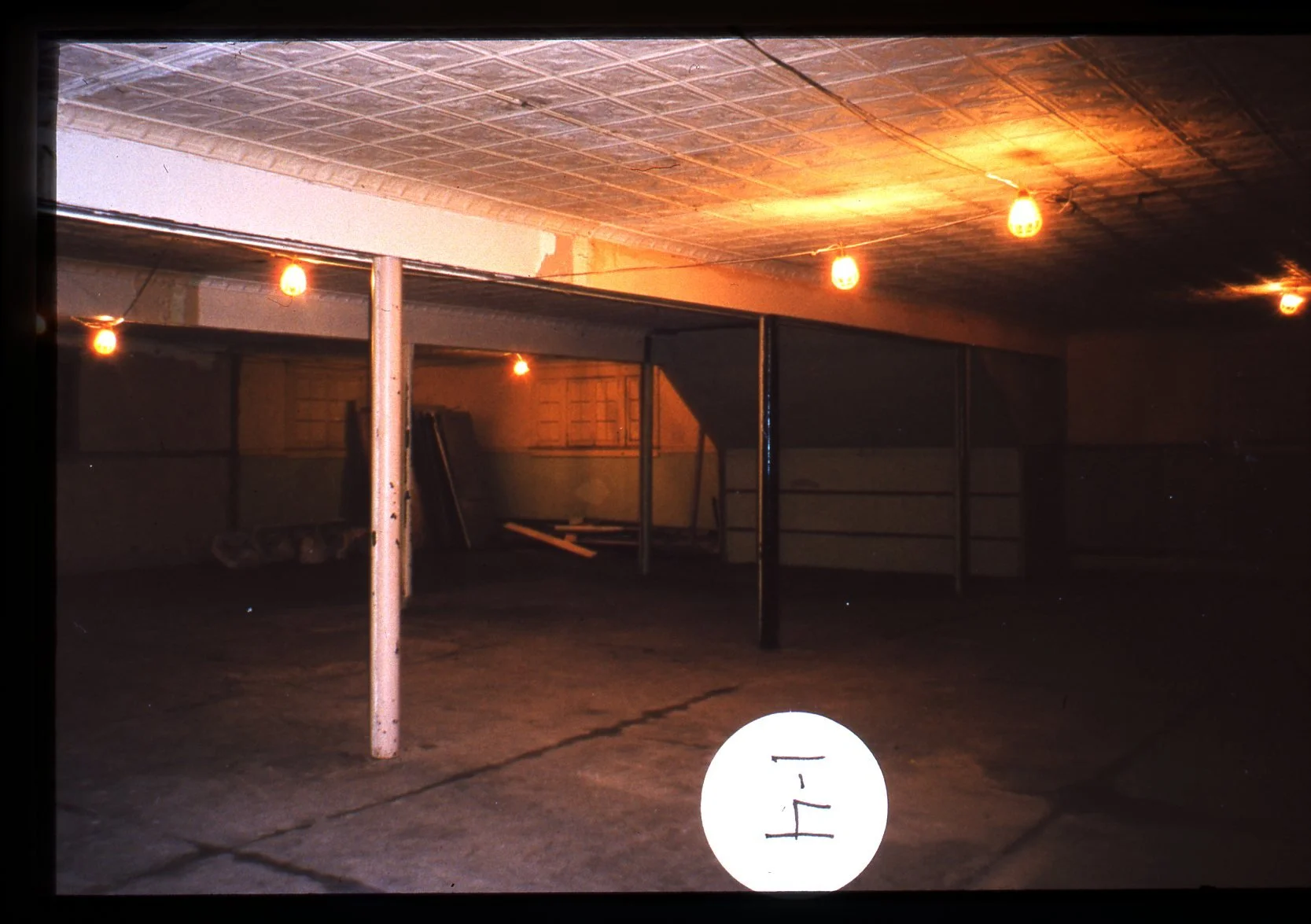
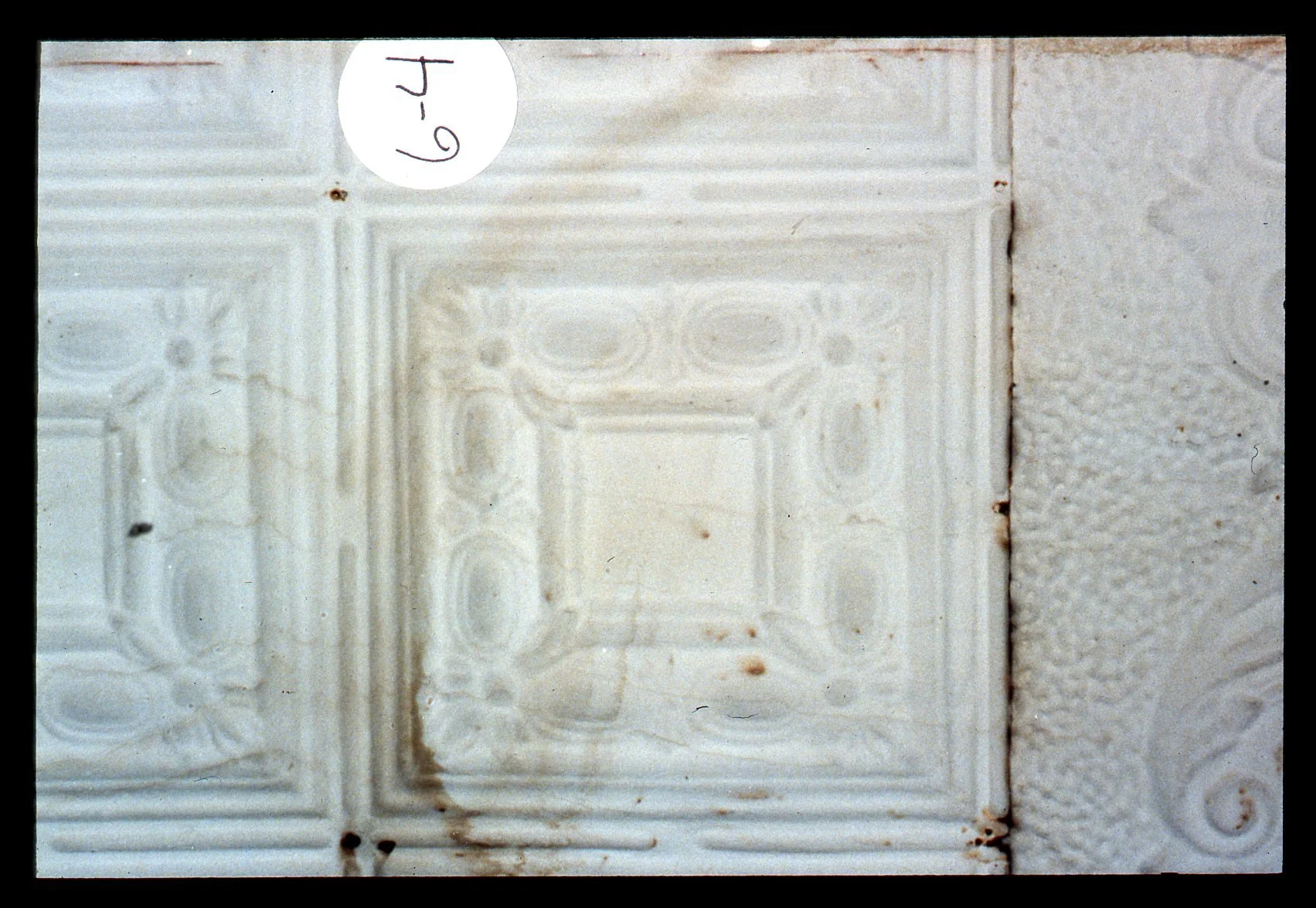
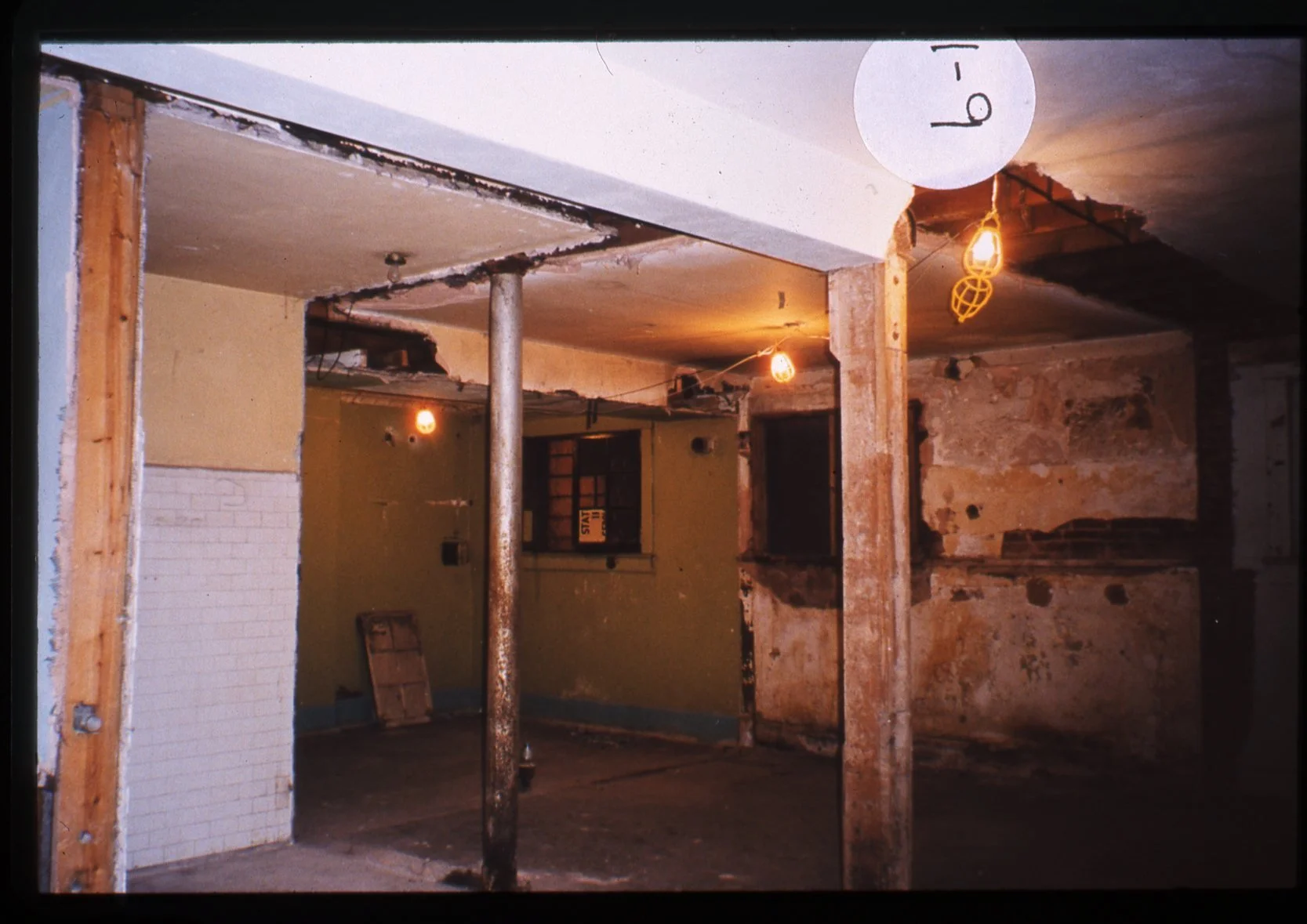
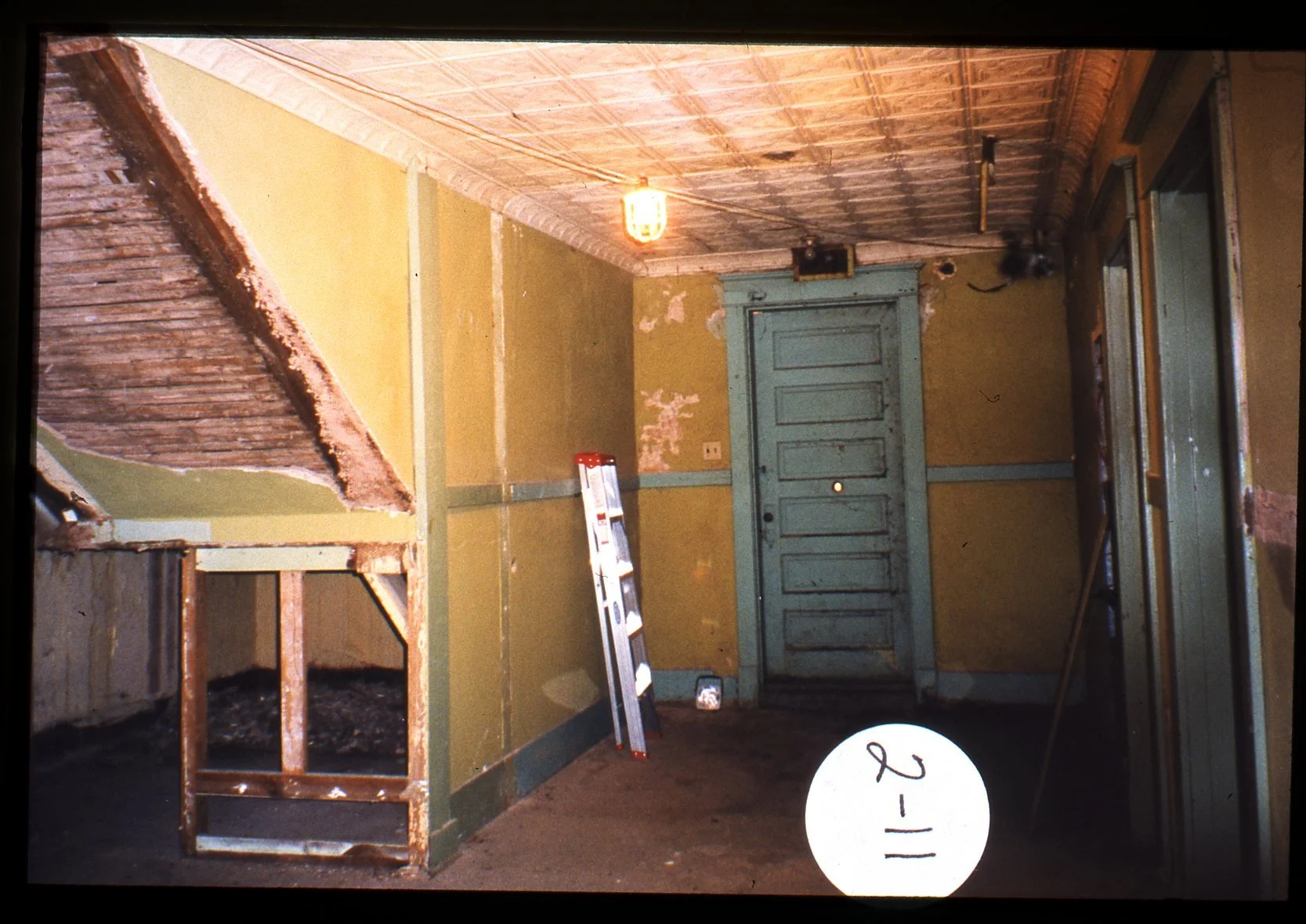
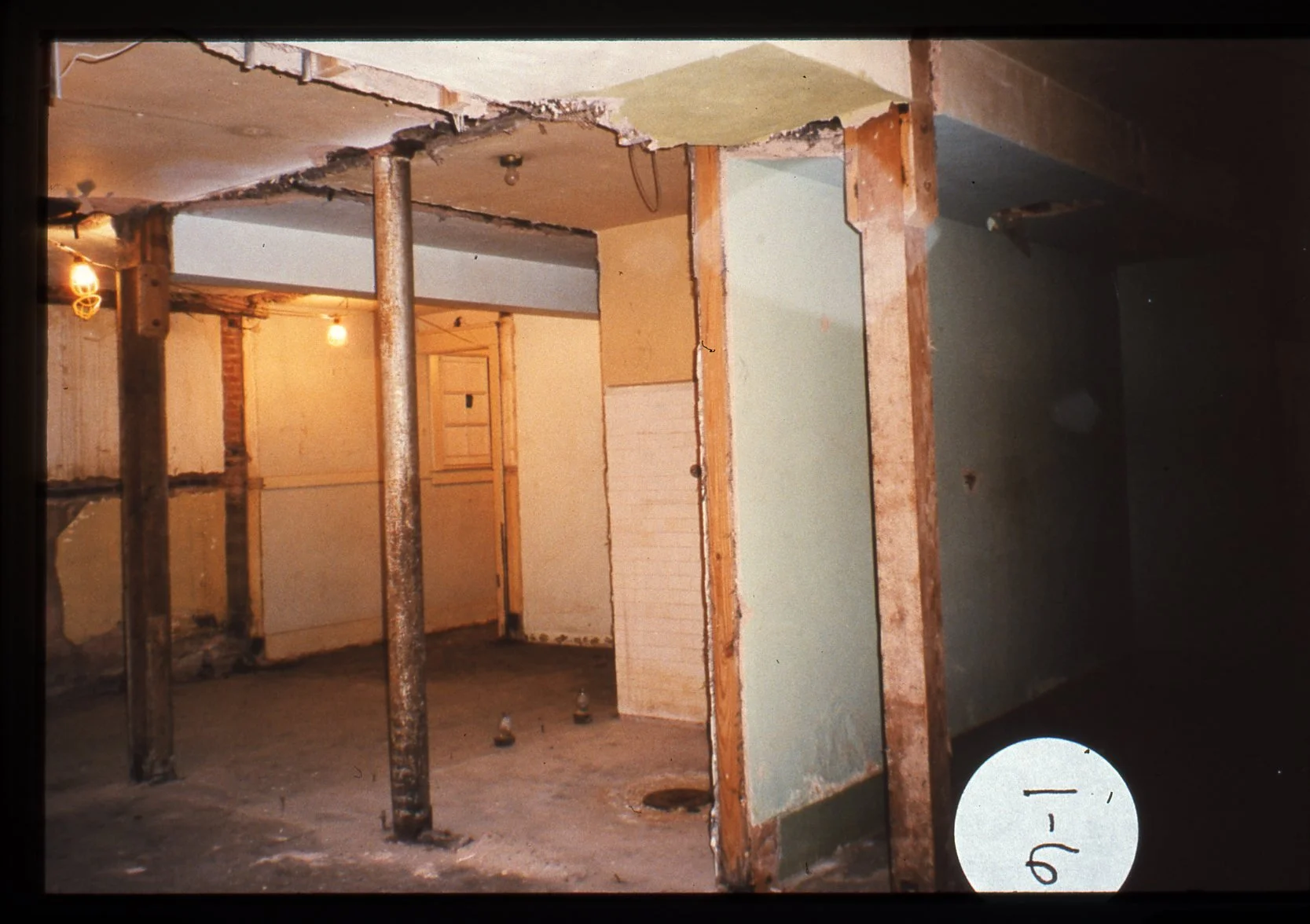
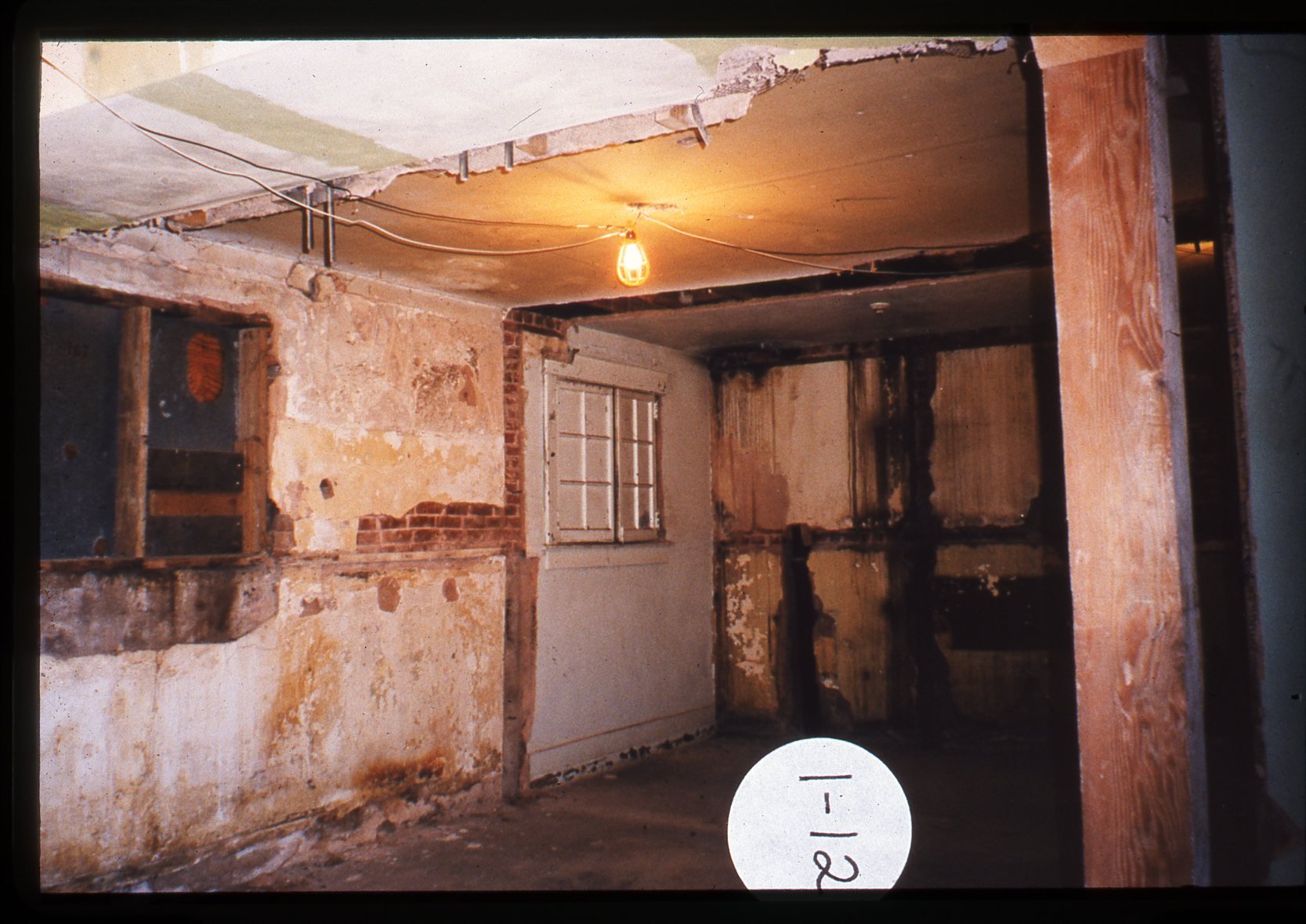
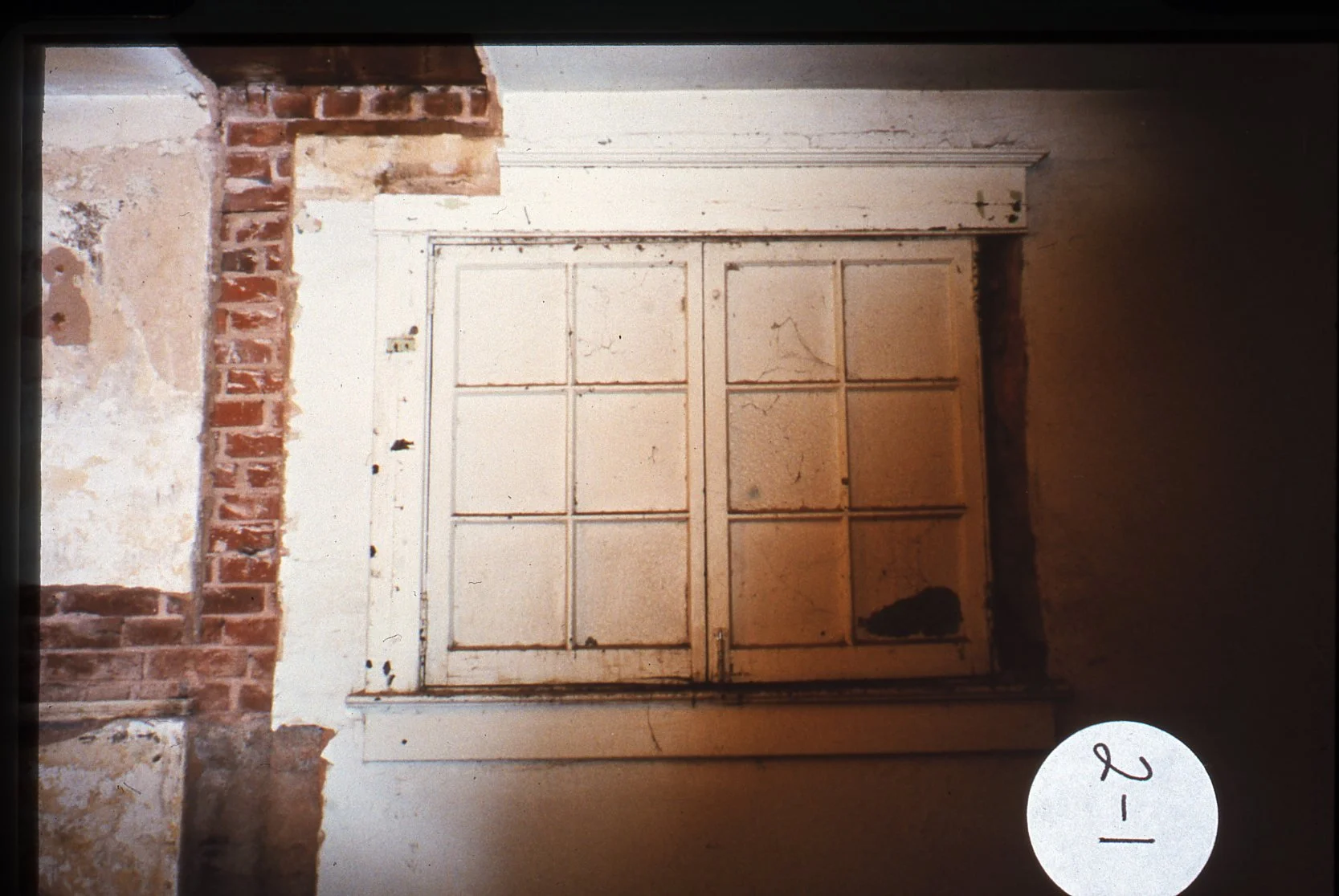
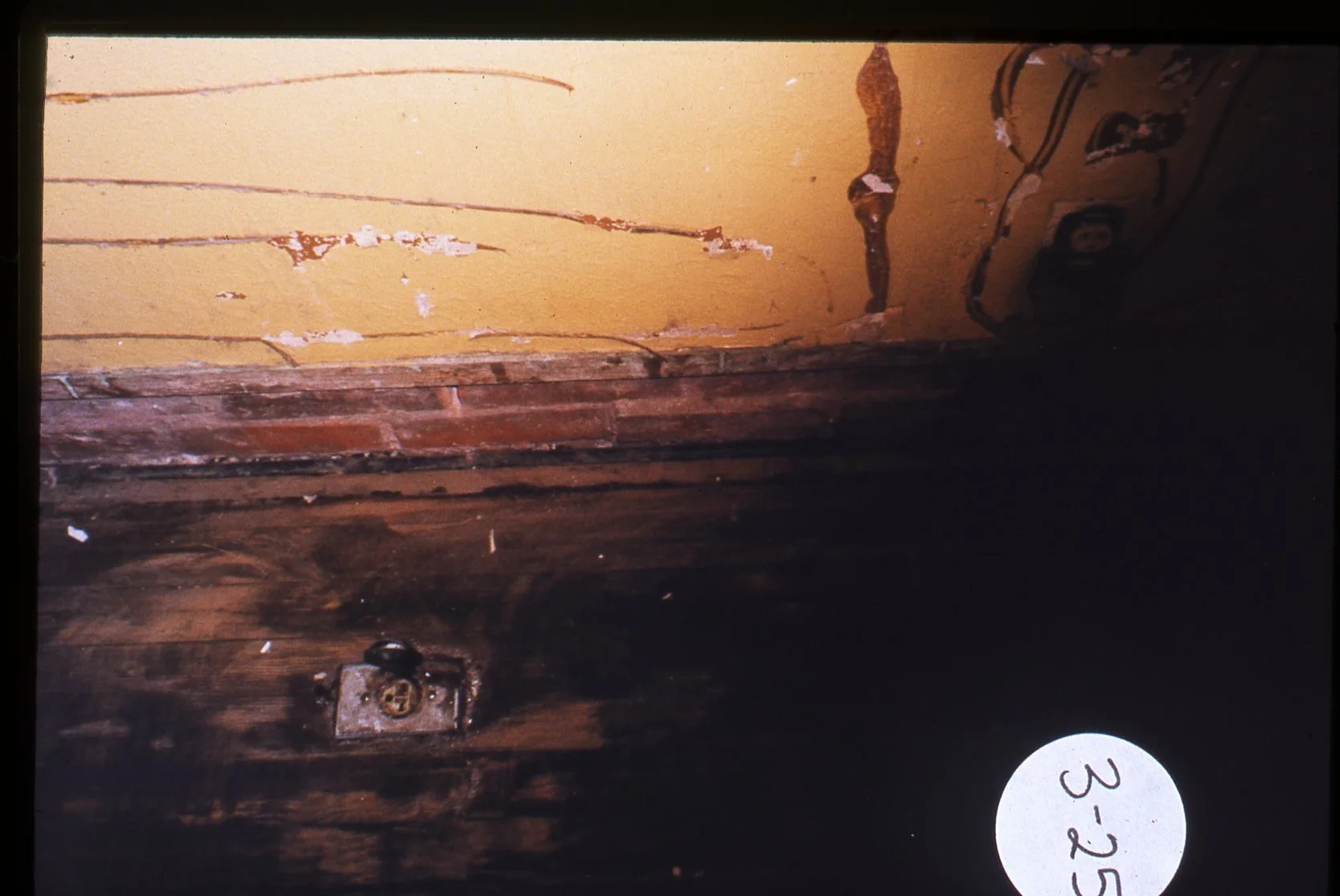
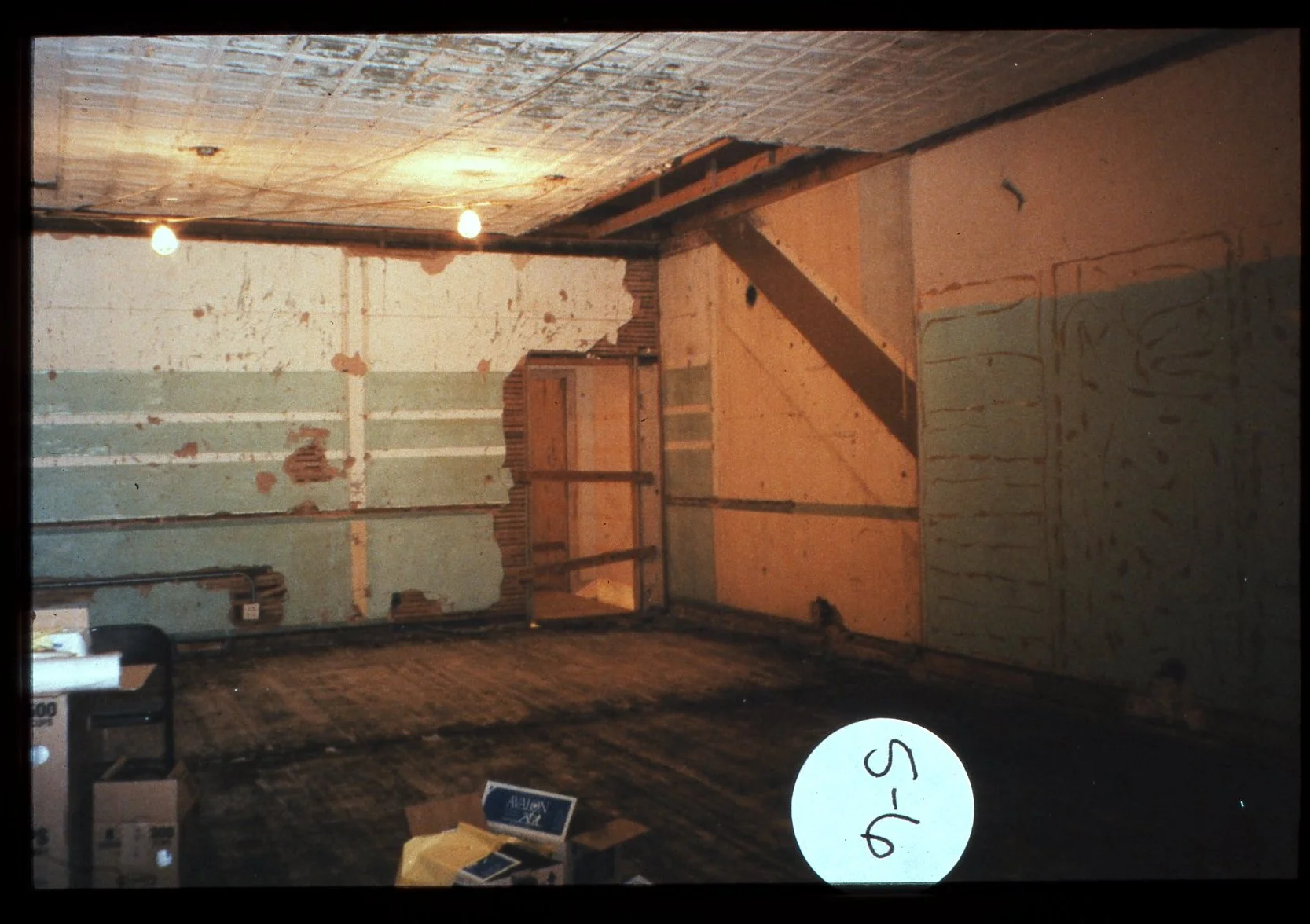
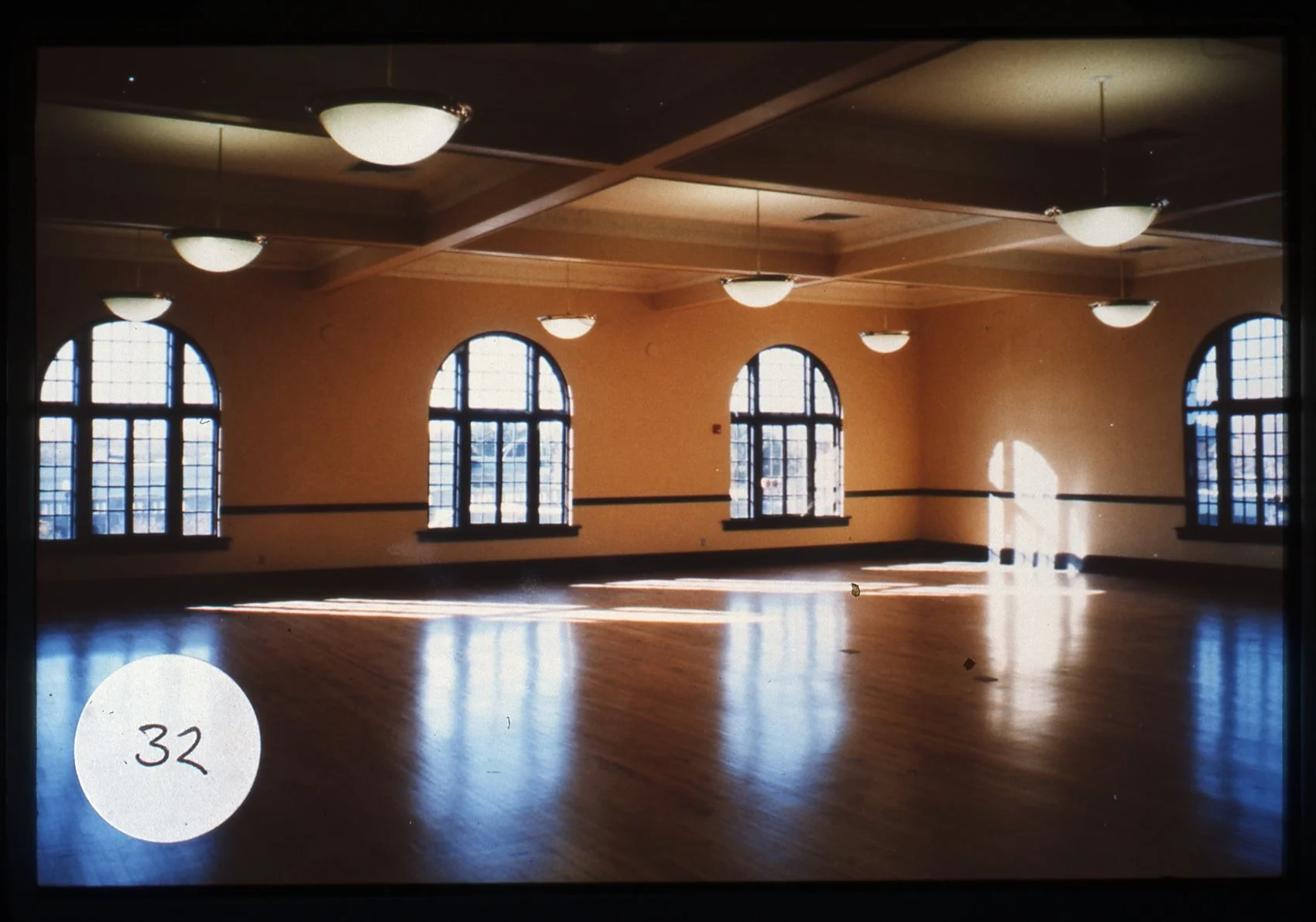
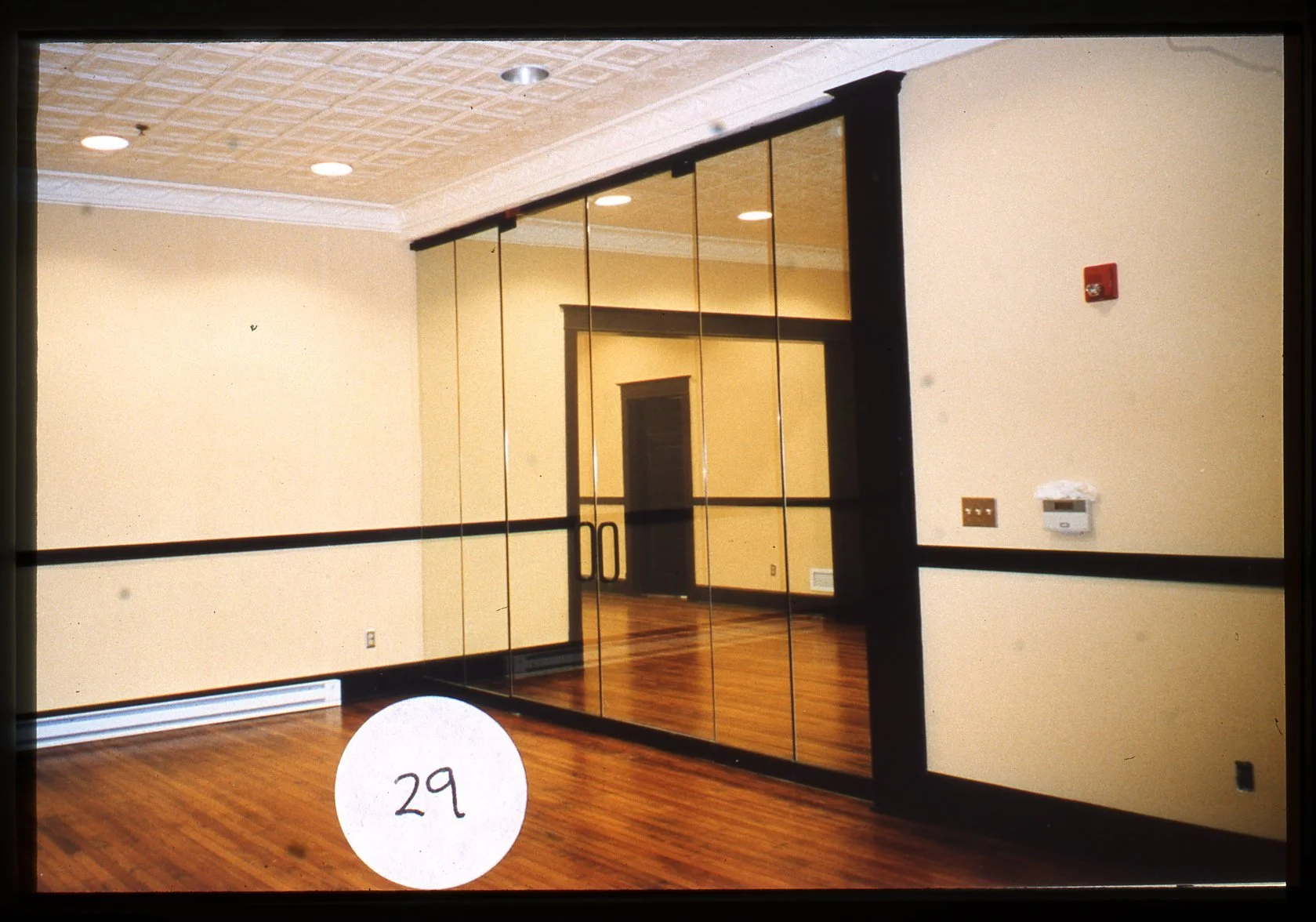
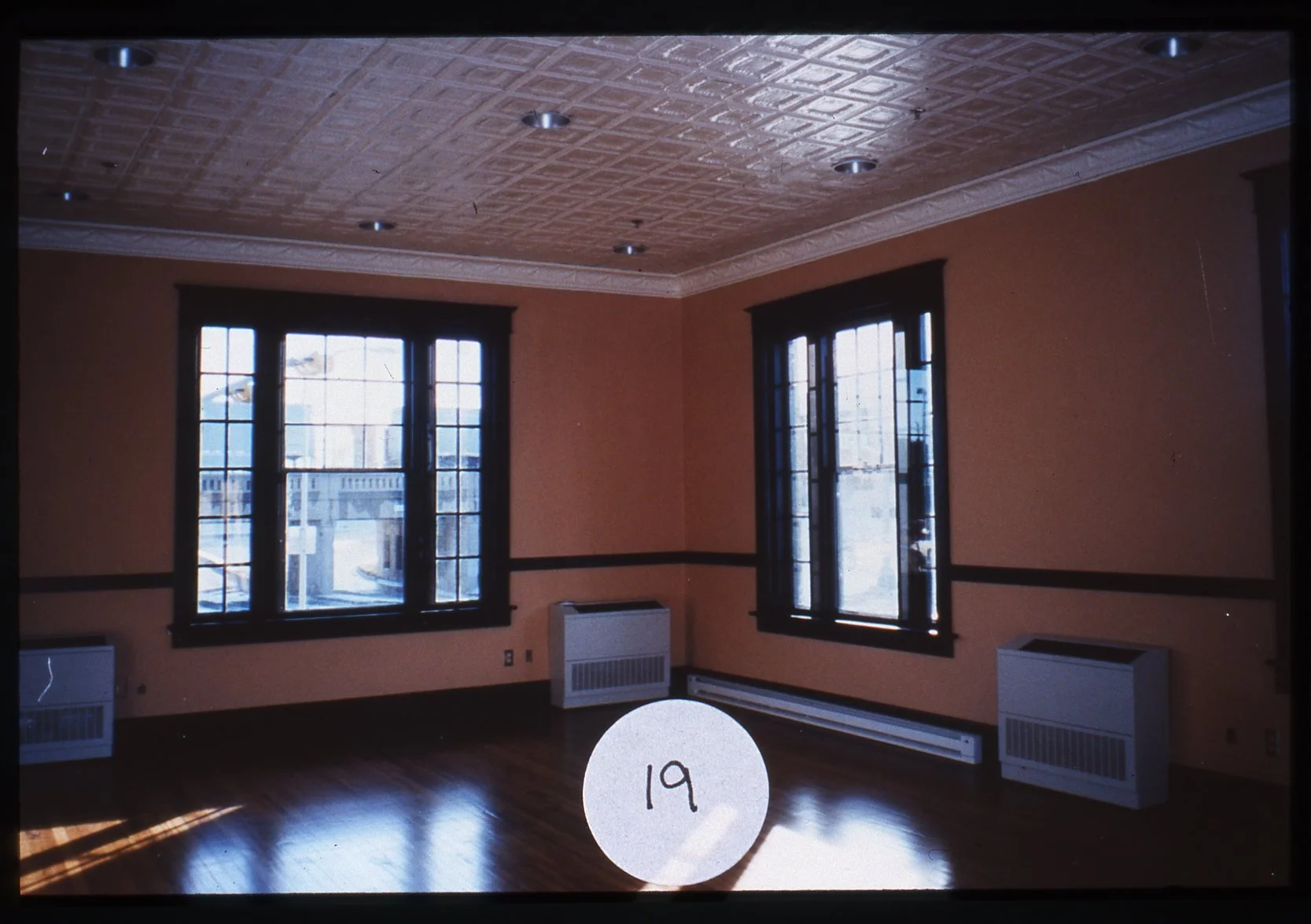
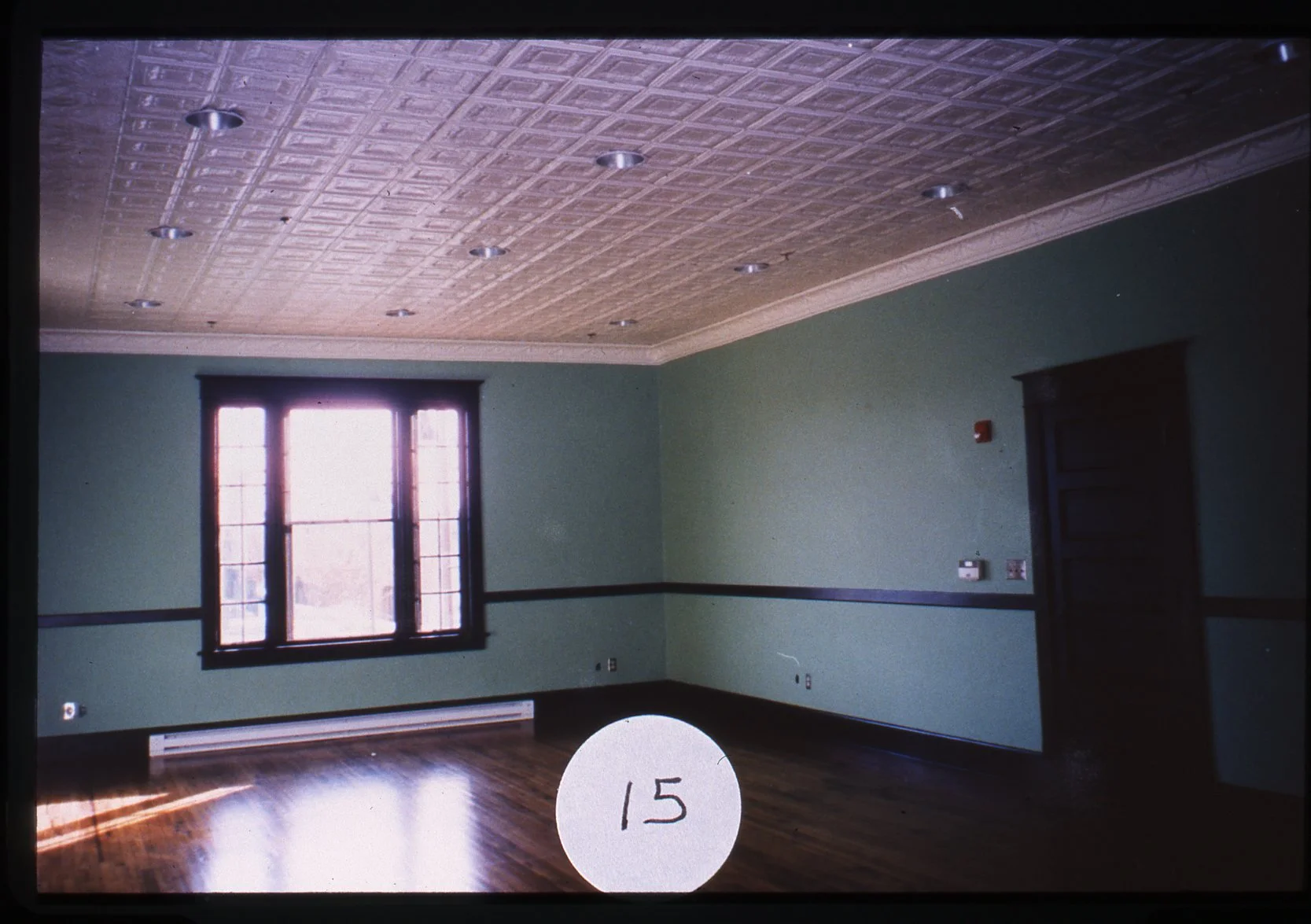
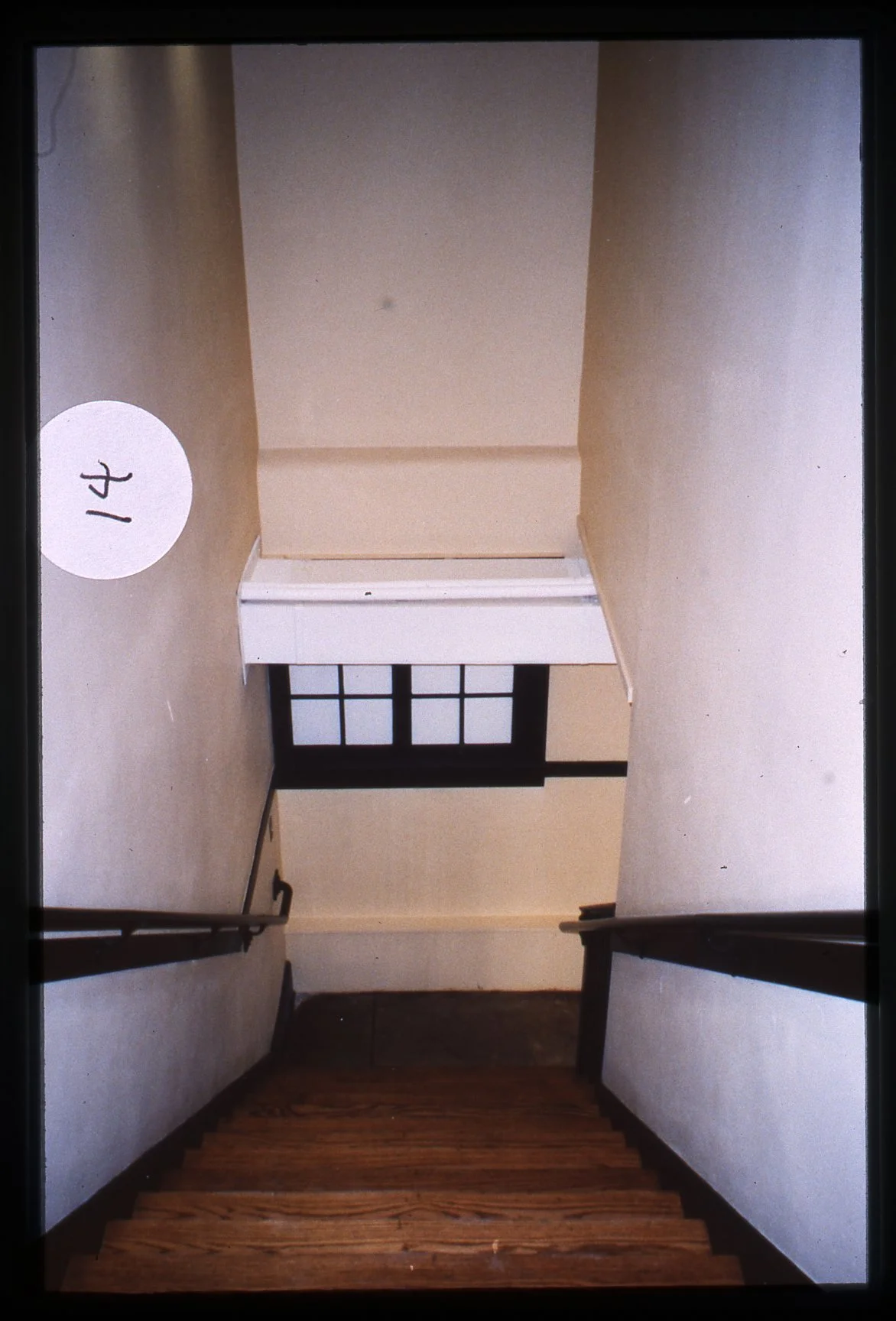
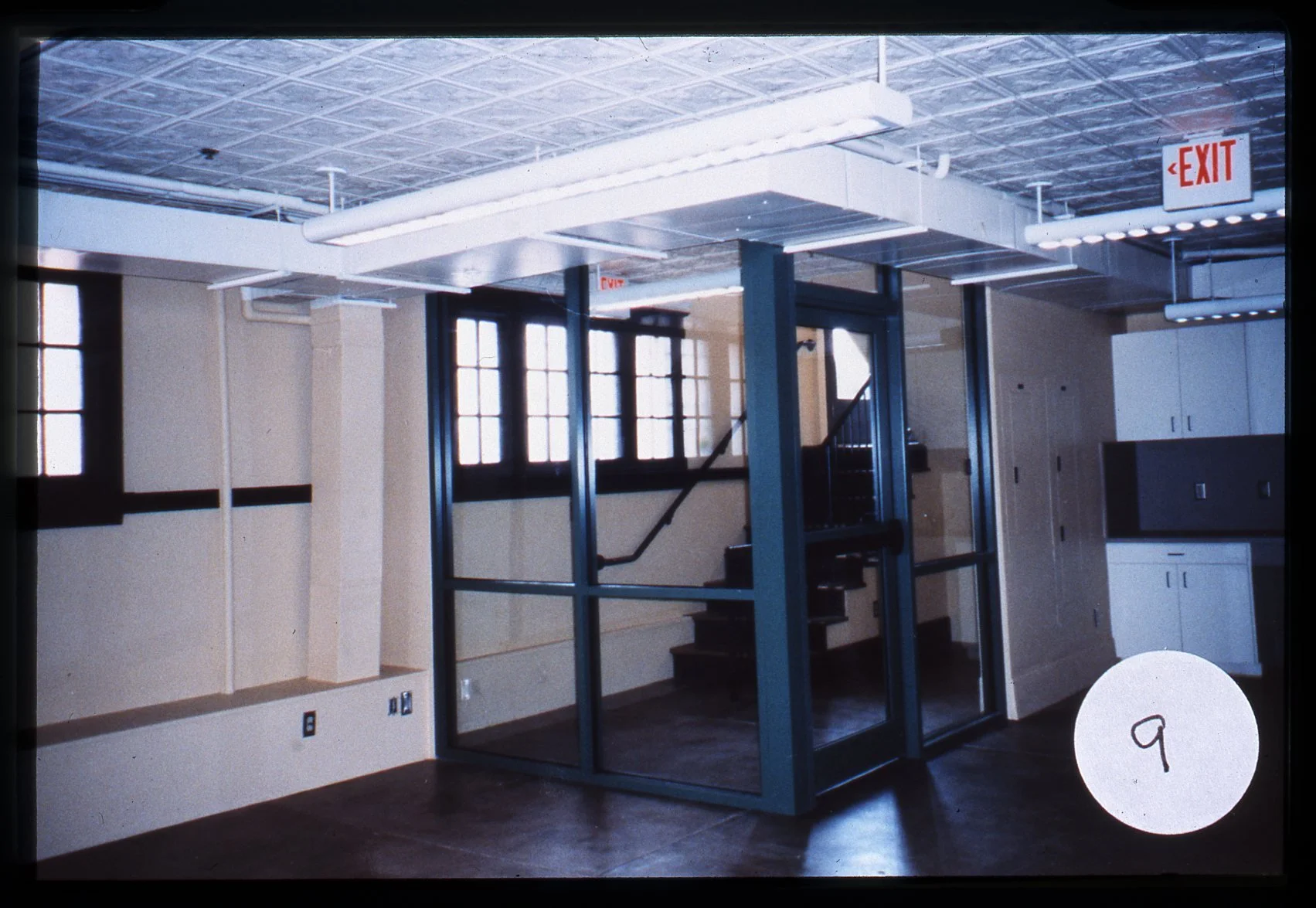
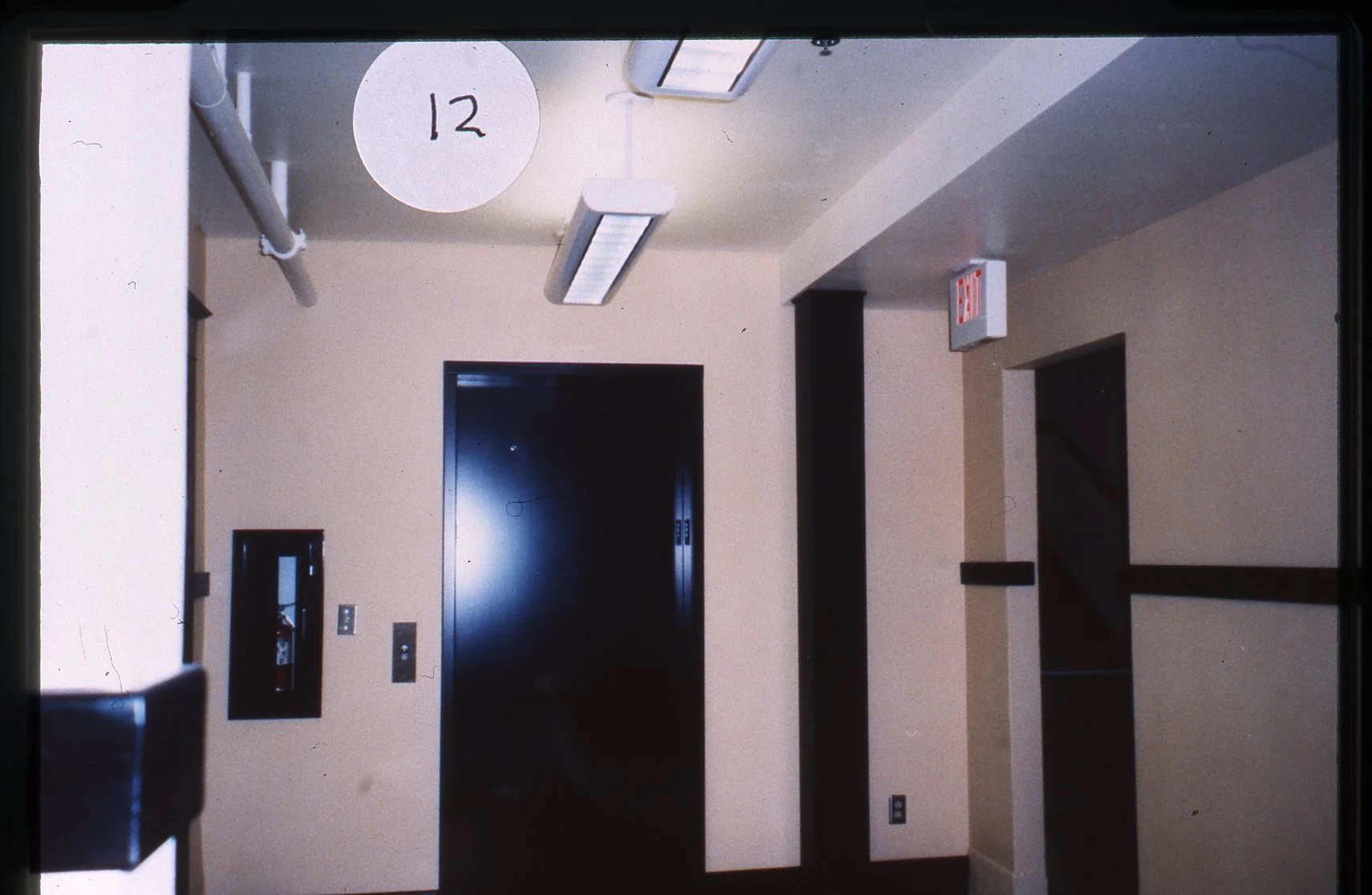
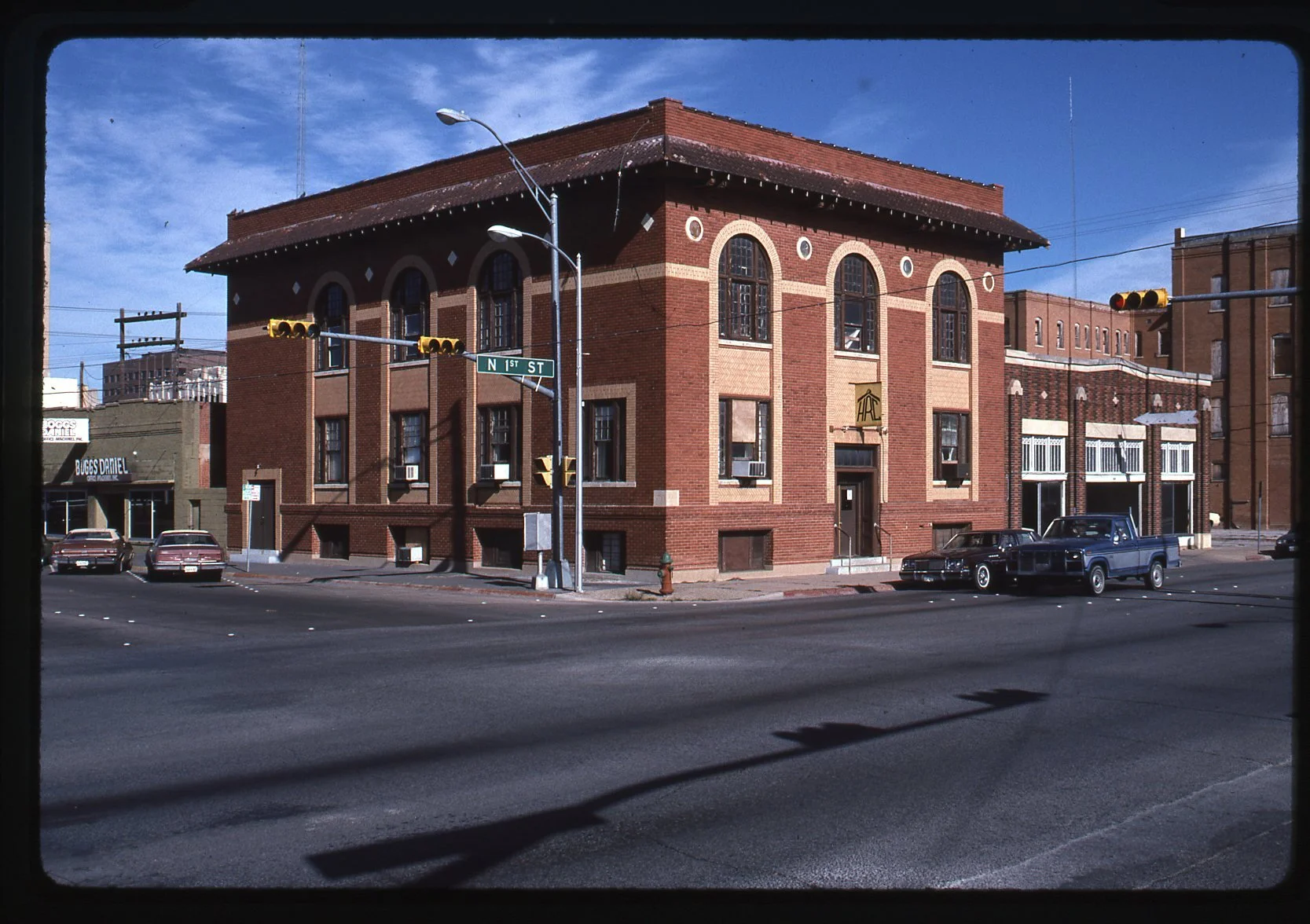
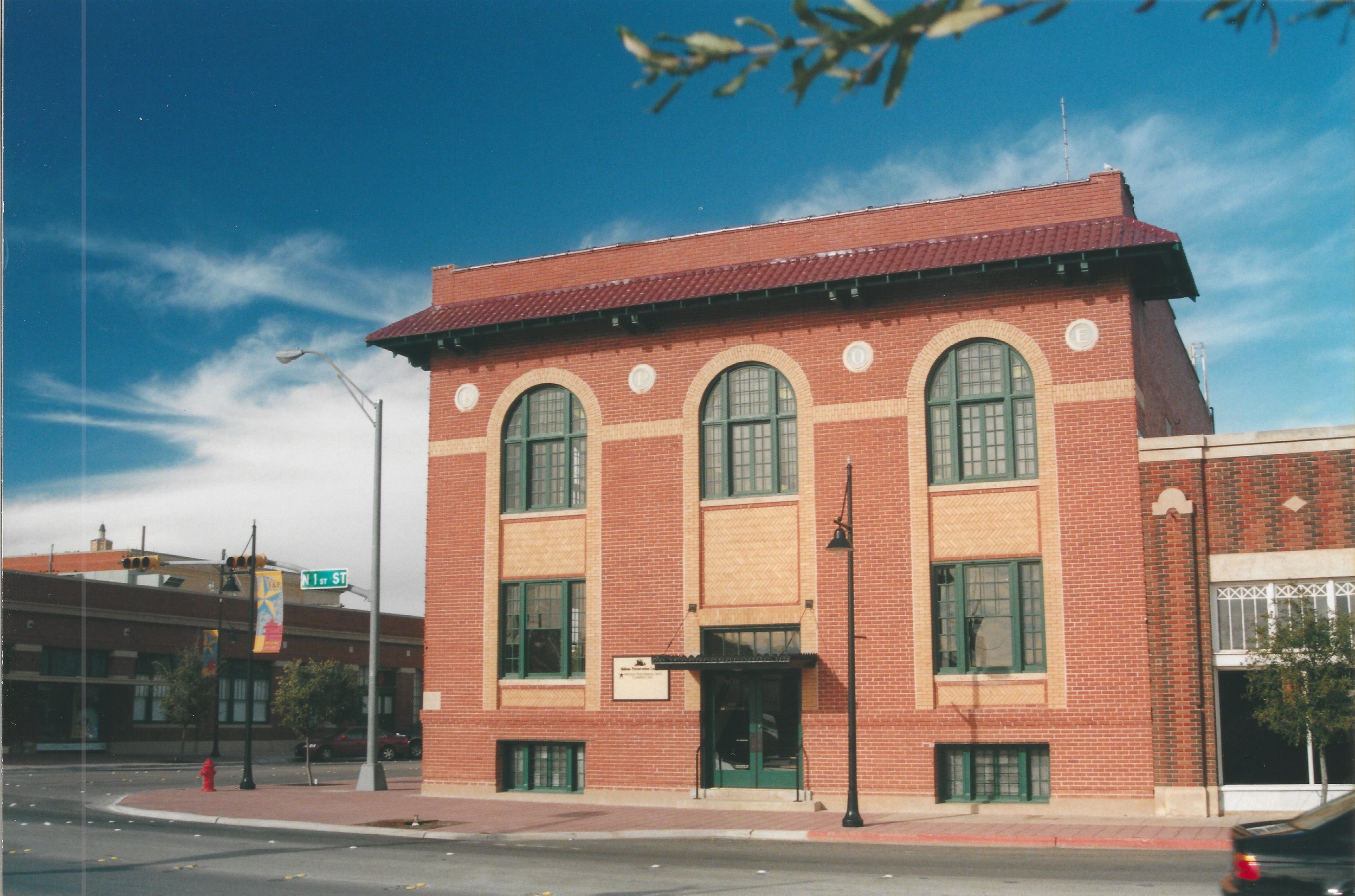
The Elks Arts Center was built in 1913 for the Benevolent and Protective Order of the Elks and served as Lodge 562 from 1900 to 1937. The Lodge reorganized in 1955 and permanently closed in 1964. With the arrival of Camp Barkeley, the building was used as a USO Club during WWII and frequently hosted dances. The City of Abilene has owned the building since 1945 and has used it as a City Hall annex, police training facility and the Human Relations Center, an MHMR facility. Over time, the structure fell into disuse and there were discussions to tear it down to build a parking lot. Instead, in 2001, the Abilene Preservation League preserved the structure and it has since served as a hub for arts and non-profits.
It is currently home to the Abilene Preservation League.
-
Description text goes here
J.D. Magee Home (Rosetyme)
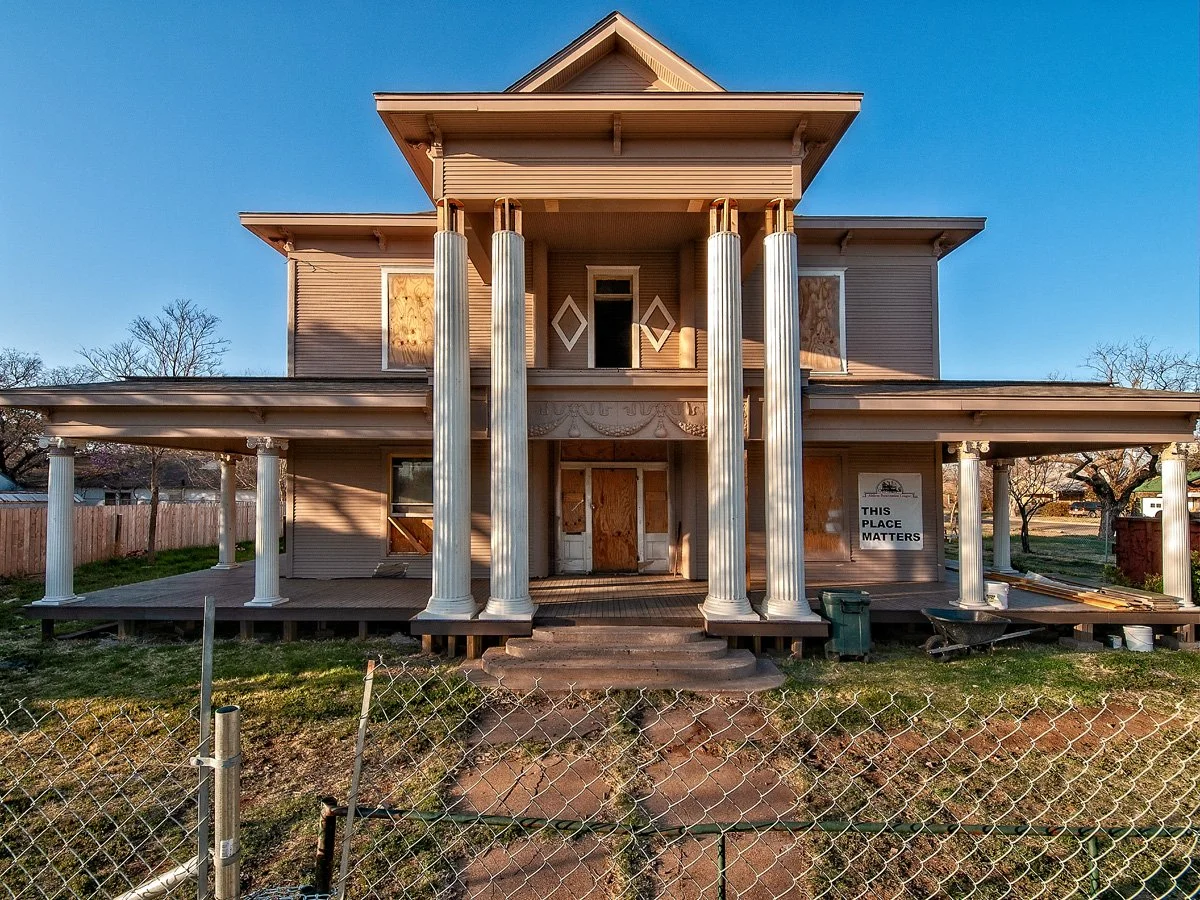
Credit: Steve Butman Photography
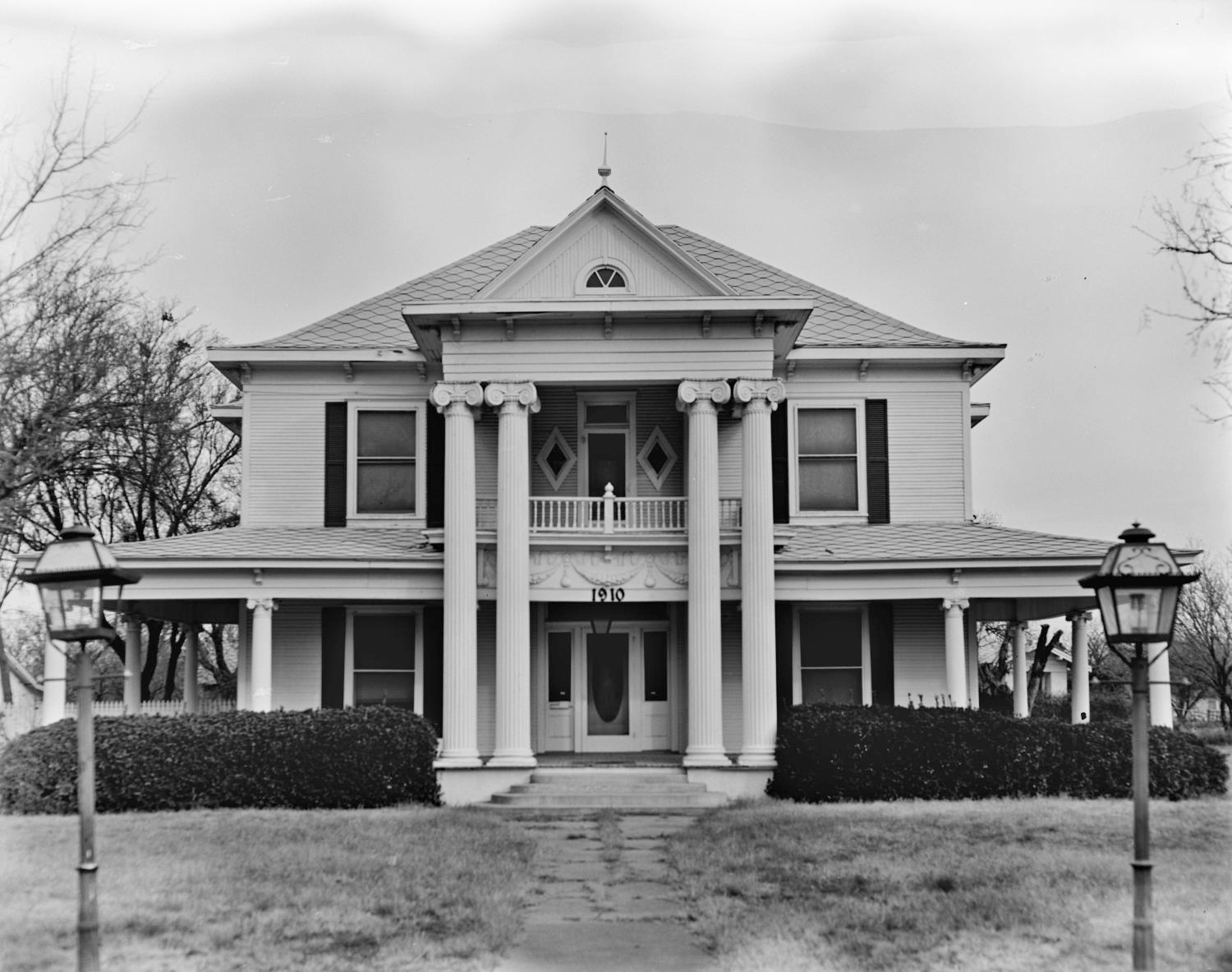
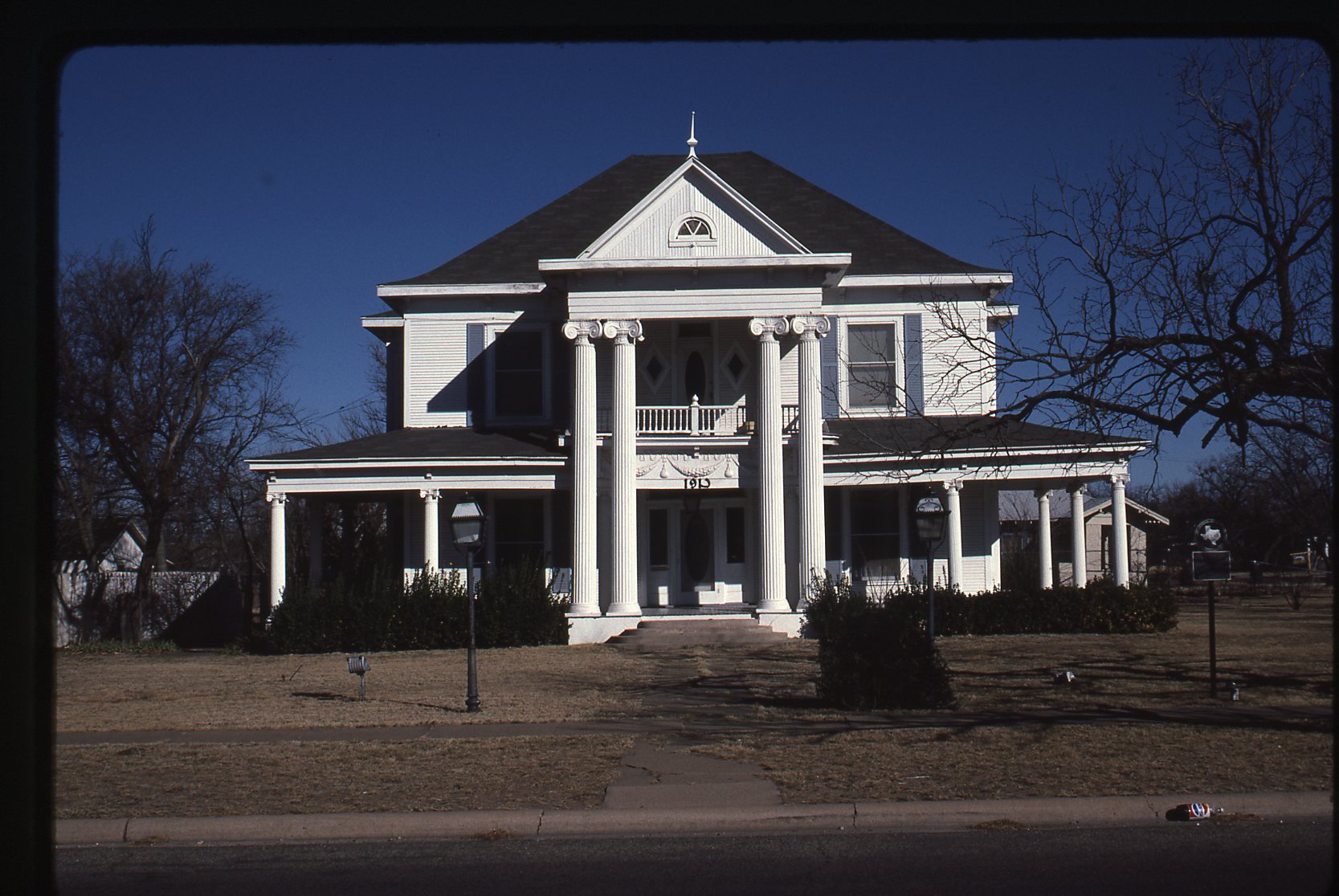
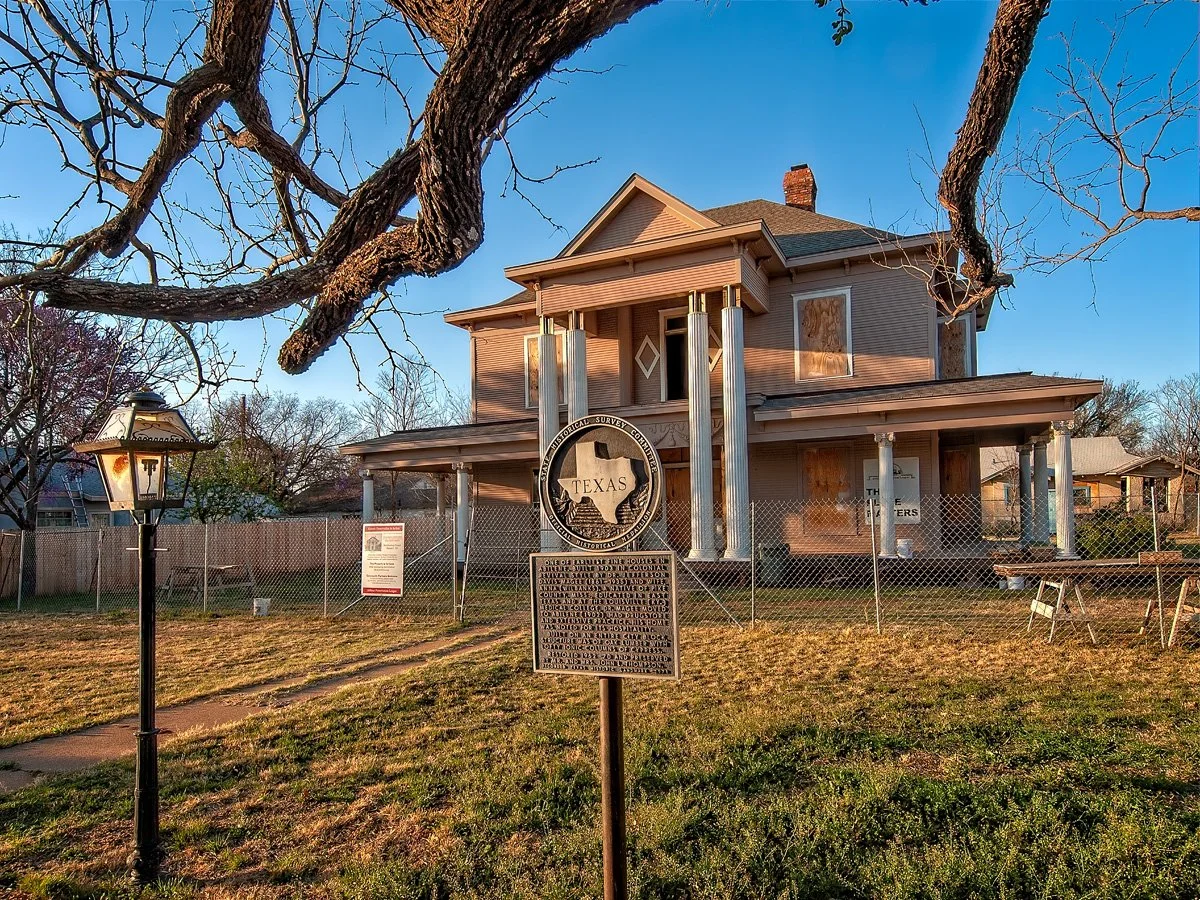
1910 North Third Street
Built: 1903
Style: Colonial Revival, Greek Revival
Rosetyme is one of the earliest fine houses in Abilene built in 1903 and holds the title as the first home in the city to have electricity and running water. Dr. Jefferson Davis Magee and his wife, Anna, moved to Abilene in 1902 and opened a drugstore and an extensive practice. In 1903, he built the home, which was noted for its hospitality. Built on an entire city block, the structure was of oak lumber with lofty ionic columns of cypress. In 1962-70, it was restored and preserved by Mr. and Mrs. John L. Thompson. However, In 2008, the home caught fire at which time the Abilene Preservation League stepped in to restabilize the structure. over the course of the next few years APL members regularly volunteered their time and skills to maintain the structure and property before placing it on the market in 2012. Jim and Dana Willeford proudly purchased the home and agreed to continue preservation of the property.
-
Description text goes here